GPS trackers for homes and small fleets: comparing false assumptions about real-time tracking
Many homeowners and small businesses assume gps trackers provide continuous, instantaneous location updates without constraints; that assumption can produce poor choices and legal exposure. This article compares realistic performance, compliance boundaries, and selection criteria so you can decide when real time gps is necessary and when other tracking models are sufficient.
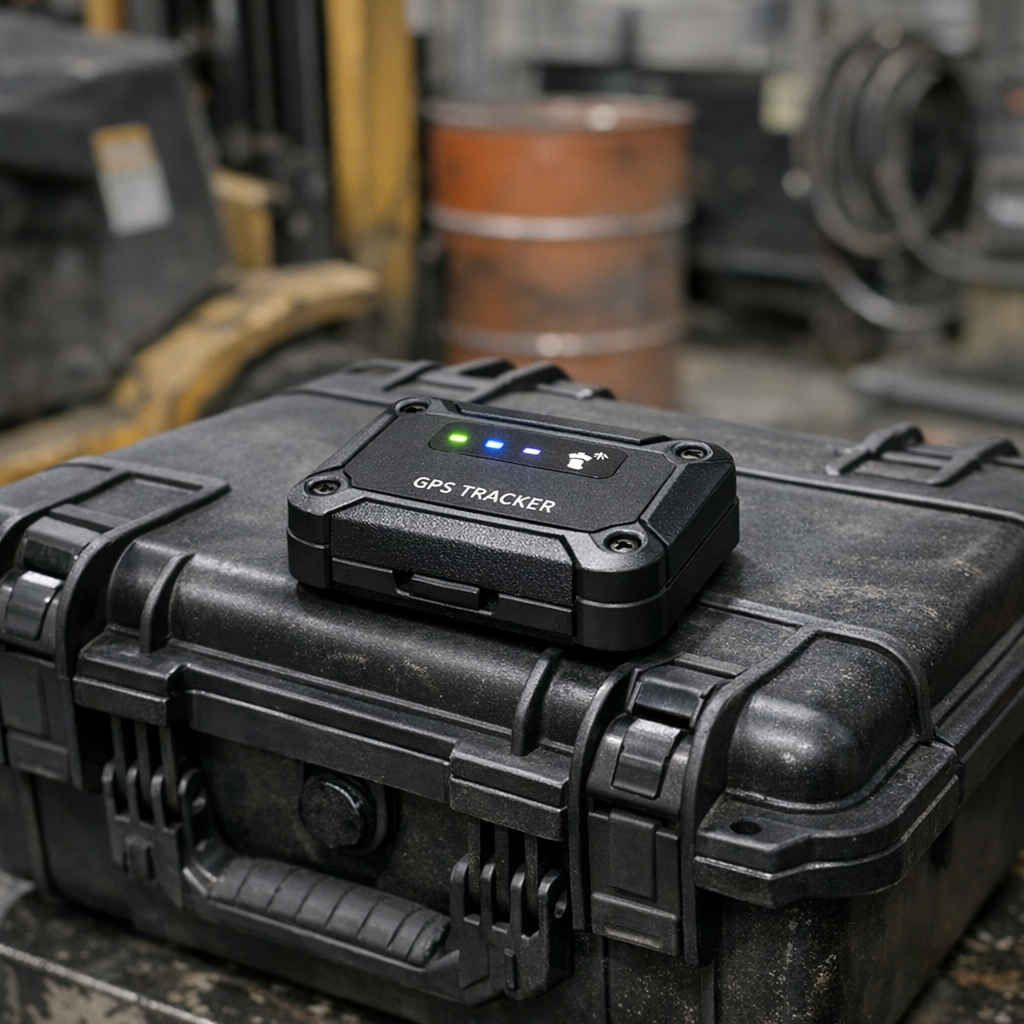
How gps trackers differ: real-time vs near-real-time
Not all devices marketed as gps trackers deliver the same type of location data. A fundamental split exists between devices that attempt to send frequent, near-continuous coordinates and those that log position data for periodic upload. The former relies on cellular or satellite uplinks for live transmission; the latter favors battery life and covert installation by storing data until a scheduled sync. When evaluating a device, clarify whether the vendor means "real time gps" as sub-second telemetry or simply "frequent updates" measured in seconds or minutes. Read the complete GPS Trackers guide
Technical constraints that drive differences
Key hardware and network decisions determine update cadence: GPS fix time, modem power draw, roaming cellular availability, and whether the unit supports assisted GPS or multi-constellation fixes. Devices optimized for vehicle gps tracking typically accept higher power budgets and can offer updates every few seconds while hardwired to a vehicle power source. Battery-operated asset tracking devices prioritize months of autonomy and therefore offer minute-to-hour intervals. Understanding these trade-offs prevents equating any device labeled a gps tracker with constant, live coverage.
Comparison: benefits and limits of real time gps for common use cases
This section compares realistic benefits and limitations across common scenarios: stolen vehicle recovery, construction equipment asset tracking, child or elderly monitoring, and fleet route supervision. Each scenario has different tolerance for latency, legal risk, and maintenance burden.
- Stolen vehicle recovery: Real time updates reduce search areas quickly, but depend on cellular signal and immediate reporting to authorities. A device that transmits once per minute can still be effective if law enforcement responds promptly; continuous streaming adds marginal value only in high-speed pursuits.
- Construction equipment asset tracking: Asset tracking favors geofencing and daily audits over live monitoring. Devices with multi-day battery life and wake-on-motion modes are usually superior to always-on trackers that require daily charging.
- Child or elder safety: For personal safety, short update intervals and manual SOS features are helpful; however, constant surveillance raises privacy and legal issues discussed below. Evaluate whether scheduled check-ins meet your needs before choosing a streaming model.
- Small fleet operations: Vehicle gps tracking often benefits from near-real-time telemetry for route optimization, exception alerts, and driver safety programs. But high-frequency tracking increases data volumes, storage cost, and compliance obligations under employee privacy rules.
Decision logic: when to choose real-time streaming
Adopt streaming real time gps when the scenario requires sub-minute positional certainty, real-time intervention, or safety-critical oversight. If the primary needs are inventory reconciliation, route history, or theft deterrence, a device with scheduled uploads or geofence-based wake-ups will likely provide better value and lower legal friction. Include expected signal environments (urban canyons, rural areas) and power availability in the decision.
Buyer guide: evaluation criteria and common procurement mistakes
When selecting gps trackers, apply explicit criteria: update interval, power source, form factor, tamper detection, data retention policies, API access, and vendor compliance documentation. Avoid common mistakes like assuming update rate guarantees in all geographies, overlooking roaming costs for cross-border fleets, or neglecting how firmware updates are delivered and authenticated. For procurement of multiple units, test sample devices in the operational environment before bulk purchase and confirm the vendor's approach to latency and backhaul load. Browse GPS Trackers
- Update cadence: Request guaranteed update windows and ask how the device behaves when signal or battery is low.
- Power model: Match battery-backed units to long-duration asset tracking needs; hardwired devices suit vehicles.
- Data model: Prefer devices that allow configurable upload intervals so you can adjust between stealth and responsiveness.
- Integration: Confirm the platform exposes exportable history for audits, not just map pins.
Common mistakes to avoid
Buyers frequently conflate marketing talk with operational reality: assuming continuous coverage in dead zones, expecting sub-second precision from low-cost modules, or treating "real time" as a legal shield. Another error is ignoring tenant or employee notification requirements when installing trackers on property or vehicles. Correcting these misconceptions early reduces operational risk and unexpected costs.
Practical examples and common mistakes
Below are three practical scenarios demonstrating how false assumptions about real-time tracking lead to poor outcomes and how to correct them.
- Example 1 — Small landscaping fleet: Owner purchases low-cost trackers labeled "real-time" expecting second-by-second location. In the field, units upload every five minutes due to power-saving firmware. Result: inability to correlate routes to customer complaints. Fix: switch to vehicle gps tracking devices with hardwire kits and configurable update intervals.
- Example 2 — Rental equipment on a remote site: Manager installs battery asset tracking expecting continuous coverage. Units enter sleep until they detect motion and then batch uploads, leaving long gaps when equipment is idle. Result: false assumption of constant surveillance; stolen items not discovered for days. Fix: choose devices with tamper alerts and wake-on-geofence to minimize blind periods.
- Example 3 — Family tracker for elderly care: Relative buys a streaming tracker for round-the-clock monitoring without consent. Result: family conflict and potential legal exposure. Fix: adopt an agreed check-in schedule and use SOS-enabled devices; document consent and data handling.
Legal boundaries for gps trackers in real time monitoring
Legal rules vary but share common themes: consent, notice, reasonable expectation of privacy, and data minimization. In both the US and EU, continuous monitoring of a person can trigger stricter privacy obligations than passive asset monitoring. Employers using vehicle gps tracking should have clear policies, written consent where required, and limited retention periods aligned with the purpose of tracking. Law enforcement uses and seizure of tracking data follow different standards; private parties should avoid installing trackers to surveil without explicit authorization. Discreet solutions
US considerations
In the US, federal and state laws intersect. Some states prohibit secret tracking of individuals or require consent for ongoing electronic monitoring. Courts have also analyzed expectations of privacy regarding location data. Maintain written policies, provide notice to drivers, and restrict access to logged data to minimize litigation risk.
EU considerations
Under EU data protection rules, location data is personal data when tied to an identifiable person. Processing requires a lawful basis such as consent or legitimate interest accompanied by a balancing test and data protection impact assessment for high-risk processing. For employers, transparency, purpose limitation, and data retention limits are essential; for homeowners, consent from occupants matters when trackers could reveal private behavior.
Frequently Asked Questions
Q: Do all gps trackers provide live, continuous updates?
A: No. Many devices transmit at intervals to conserve power; confirm update cadence and network assumptions before purchase.
Q: Is it legal to put a gps tracker on a vehicle I own?
A: Ownership reduces legal risk, but placing trackers that capture personal data or surveil occupants may require notice or consent depending on jurisdiction and context.
Q: How does vehicle gps tracking differ from asset tracking?
A: Vehicle models often assume wired power and can stream more frequently; asset tracking emphasizes battery life, tamper detection, and periodic uploads.
Q: Can poor cellular coverage interrupt real time gps performance?
A: Yes. Real time updates depend on cellular or satellite backhaul; in dead zones, devices may cache data and upload later.
Q: What should businesses document when deploying trackers?
A: Document purpose, retention schedule, access controls, device locations, and obtain necessary consents or internal approvals to reduce legal risk.
Educational closing
Choosing gps trackers requires balancing technical capabilities, operational needs, and legal constraints. Real time gps is valuable in circumstances that justify its costs and privacy implications, particularly for vehicle gps tracking and some safety applications. For many asset tracking tasks, devices optimized for low-power periodic reporting deliver more practical value. Use the comparison logic and buyer criteria above to match device behavior to real-world needs, and document decisions to reduce compliance risk.