Video surveillance evidence: making footage usable in home and small business disputes
Video surveillance is frequently the decisive piece of information in homeowner and small business disputes, but footage alone does not guarantee a favorable outcome. This article explains what makes surveillance evidence usable in civil and administrative disputes, how to evaluate recordings from home security cameras and cctv systems, and what business surveillance operators must do to reduce legal risk and preserve admissibility. Read the complete Video Surveillance guide
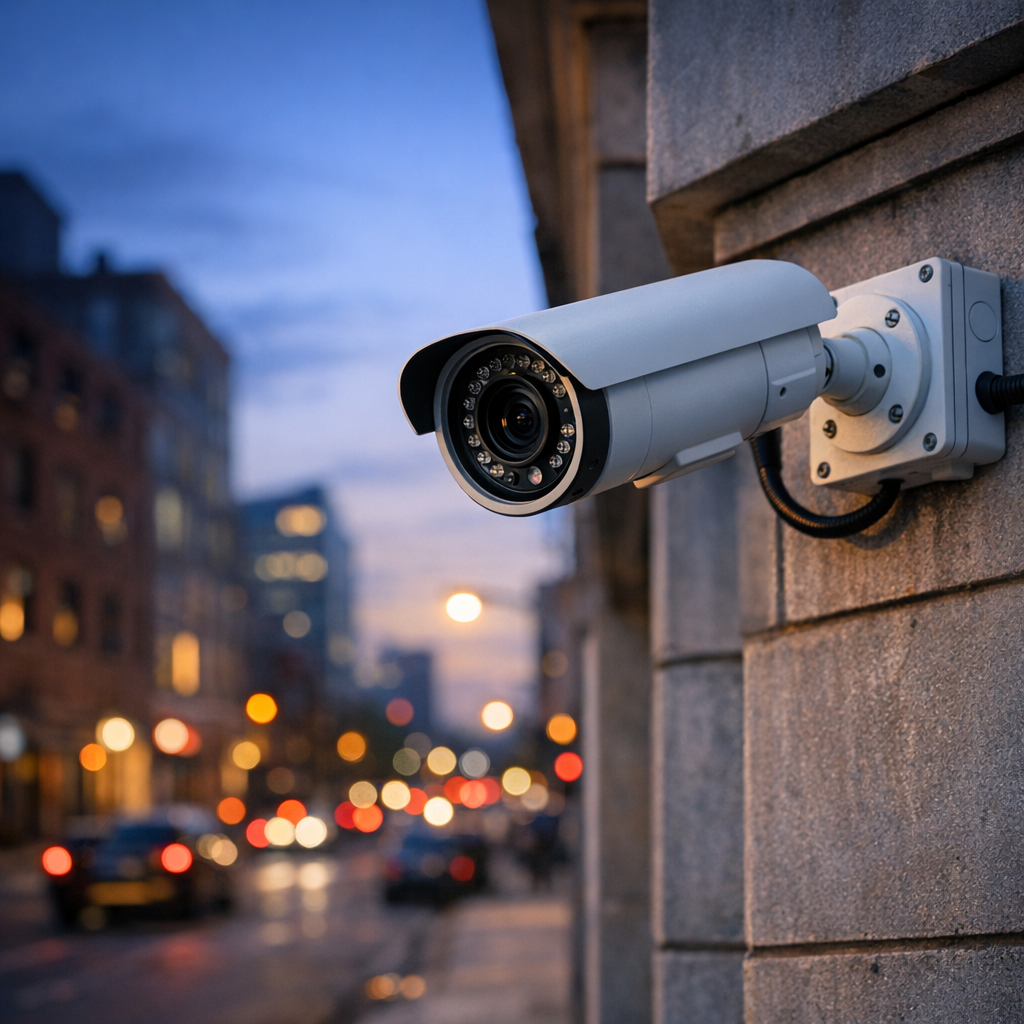
How video surveillance becomes usable in disputes
Usability depends on three interlocking requirements: relevance, integrity, and context. Relevance means the recording clearly relates to the disputed event (date, time, location). Integrity refers to an auditable chain from capture to presentation that demonstrates the file has not been altered. Context supplies identity, intent, and corroborative details — who appears in the frame, camera orientation, and concurrent logs from access control or alarm systems. Homeowners with doorbell cameras and office managers using business surveillance should assess recordings on each of these axes before relying on them in negotiations or filings.
Preservation and chain-of-custody for video surveillance
Preservation is often the weakest link. A common sequence of failures includes overwriting by automated retention, conversion to lossy formats, or uncontrolled sharing that breaks metadata. Best practice is immediate, documented extraction: note the device make/model, original file name, timestamp, extraction method and operator, and store a checksum or hash of the raw file. For critical incidents, create a simple written log or photograph the device and system settings at the time of extraction. Small businesses should incorporate this into their incident response procedures so managers know how to secure footage before it is lost. Browse Video Surveillance
Operational standards for video surveillance in home and business
Operational decisions shape admissibility. Cameras should be configured to preserve original timestamps and unaltered audio where lawful. Use of networked storage versus local storage affects who can access footage and how quickly it can be downloaded. For home security cameras, ensure firmware updates do not reset timestamps or rotate storage unexpectedly. For business surveillance, central logging of system health, camera configuration snapshots, and documented staff access controls go a long way toward demonstrating routine reliability in a dispute.
Retention policies and overwrite controls
Retention must be defensible. Short automatic retention periods common to many consumer cctv systems can unintentionally destroy evidence. If an incident is reasonably foreseeable — for example repeat trespass or a workplace incident — extend retention or offload relevant clips immediately. Document policy choices and numerical retention settings to show they were reasonable for the operation.
Comparison: device types and their evidentiary strengths
Not all cameras are equal in evidentiary value. The following comparison helps determine which footage will be most persuasive in a dispute and why.
- Professional IP CCTV systems: Tend to offer controlled storage, timestamp integrity, and centralized logs. Strong for business surveillance when configured with write-once archival and access audits.
- Consumer cloud doorbell and battery cameras: Convenient and high-resolution but often rely on proprietary cloud storage and compression. Good for quick corroboration, weaker for chain-of-custody unless original files and account access logs are preserved.
- Hybrid recorders (DVR/NVR): Local retention with exportable files. Quality varies; exported files should include timestamps and ideally an uncompressed master copy.
- Mobile phone recordings: High immediate value for immediacy and witness corroboration, but metadata can be stripped during sharing and requires careful handling to preserve geolocation and time data.
Use-case scenarios and decision logic
Decision-making should be scenario-driven. Below are common use cases with recommended evidence workflows.
Home dispute: property damage between neighbors
First, secure the original footage from a home security camera or doorbell device and copy it to read-only media. Photograph camera placement relative to property lines and note any occlusions (trees, fences). Create a short incident log with time and witness names. If the neighbor disputes identity, seek corroboration from additional sensors (motion logs, smart lock entries) and preserve them together. Early preservation avoids overwriting and strengthens negotiation positions.
Small business: slip-and-fall or employee dispute
For businesses, begin by isolating relevant video from business surveillance and exporting a raw master. Preserve supporting evidence: shift schedules, access logs, maintenance records, lighting and cleaning logs. Chain-of-custody is easier to demonstrate when a designated staff member follows a documented extraction checklist. When incidents could lead to regulatory reporting or insurance claims, inform insurers early and follow any required preservation steps in policy language.
Buyer guide: evaluating systems for evidentiary reliability
When choosing equipment, prioritize features that support admissibility. Key evaluation criteria include:
- Raw file export: Ability to export original unaltered files, not only compressed cloud clips.
- Timestamp and metadata preservation: System should embed accurate time and retain metadata through export.
- Access controls and audit logs: Admin and viewer activity should be recorded to show who accessed footage and when.
- Retention flexibility: Ability to extend retention for specific cameras or incidents.
- Redundancy and integrity checks: Options for write-once archival and file hashing are strong advantages.
When evaluating a vendor or model, ask for documented procedures for evidence export and confirm whether technical staff can provide a signed chain-of-custody for critical extractions. Discreet solutions
Practical examples and common mistakes
Real-world problems often stem from avoidable mistakes. Examples include:
- Overwriting: A shop relies on a 7-day retention camera and discovers footage needed for a claim after it was auto-deleted.
- Format loss: A homeowner trims and re-encodes a clip before sharing, which strips metadata and weakens admissibility.
- Unlogged access: A manager shares a clip informally from a cloud app without recording who accessed or downloaded it, creating disputes about potential tampering.
Mitigation is procedural: educate staff and household members on preservation steps, document every extraction, and where possible export a master copy with an accompanying checksum.
Legal and ethical considerations (EU and US high-level)
Legal admissibility and privacy boundaries differ by jurisdiction. In the US, admissibility focuses on relevance and authenticity; demonstrate integrity and a reliable chain-of-custody. Audio recording laws vary by state — ensure compliance with one-party or two-party consent rules when audio is captured. In the EU, data protection rules under the GDPR introduce additional obligations: footage that identifies a person is personal data, and its processing must satisfy legal bases such as legitimate interest or consent where applicable. Retention must be limited to what is necessary and documented in a privacy policy when recordings relate to visitors or customers. In both regions, avoid covert recording in areas where privacy expectations are high (bathrooms, changing rooms), and balance security needs against proportionality concerns.
Frequently Asked Questions
Q: Can I submit footage from a consumer cloud camera as evidence?
A: Yes, but preserve the original file and account activity logs; cloud clips alone may lack metadata and chain-of-custody proof.
Q: How long should I keep recordings after an incident?
A: Retain footage until the matter is resolved or until advised by counsel; extend retention beyond routine periods for potential disputes.
Q: Will a trimmed or edited video be inadmissible?
A: Edited clips are admissible but are easier to challenge; always keep and present the unedited master to support the edited excerpt.
Q: Are there rules about recording employees with surveillance cameras?
A: Yes. Employers must comply with labor laws, privacy regulations, and notify staff according to jurisdiction; covert audio and recordings in private areas are typically prohibited.
Q: Should I hash exported video files?
A: Yes. Generating a cryptographic hash at export documents file integrity and is a straightforward step to strengthen authenticity claims.
Closing: Video surveillance can be powerful evidence when managed with foresight: select systems with exportable masters, document every preservation step, and understand legal limits where you operate. Integrating simple procedures — immediate export, written logs, and retention adjustments — transforms raw footage into reliable evidence usable in disputes, whether you manage home security cameras or commercial cctv systems.