Video Surveillance to Prevent Internal Theft in Small Offices
Video surveillance is a practical and defensible measure for reducing internal theft in offices when deployed with clear policies, lawful notice, and appropriate technical safeguards. This article explains how to design, compare, and legally operate office camera systems to deter theft, document incidents, and preserve admissible evidence for investigations.
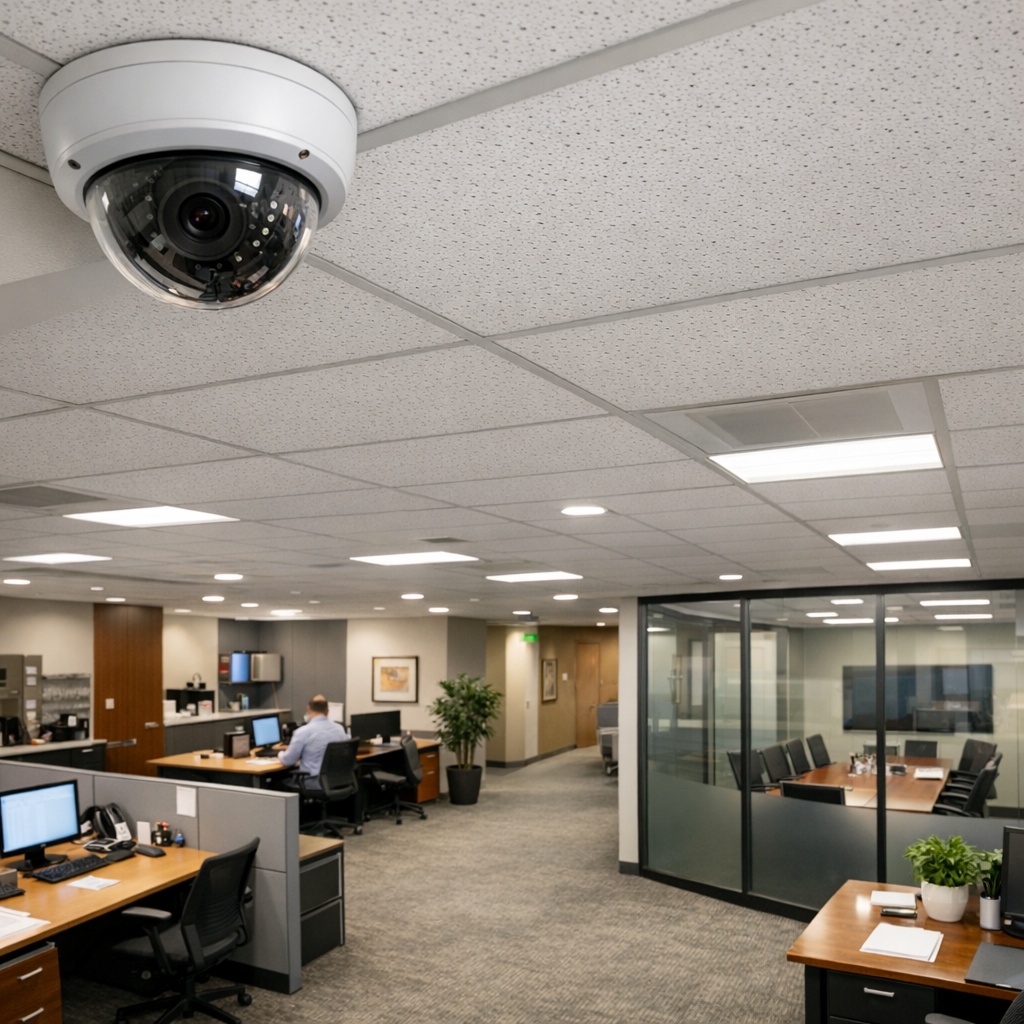
How video surveillance deters internal theft
Surveillance reduces opportunity and increases perceived risk: visible cameras change behavior, while reliable recordings provide evidence after an incident. In an office environment that includes reception, supply rooms, cash handling areas, and shared equipment zones, thoughtfully placed cameras create predictable coverage of high-risk pathways. Cameras alone are not a remedy; they must be part of a policy framework that defines who reviews footage, retention limits, and escalation procedures so that staff understand monitoring is for asset protection and safety.
Comparing video surveillance options for office theft prevention
Choosing a system involves trade-offs among image quality, storage costs, analytics, and privacy control. Basic analog CCTV systems can be economical for simple coverage, while IP camera systems provide higher resolution, easy remote access, and advanced analytics such as motion detection or person re-identification. Cloud-based video management reduces on-site server maintenance but shifts data control to a provider and may raise concerns about access logs and cross-border storage.
Key pros and cons
- Analog/CCTV systems — Pros: lower upfront camera cost for simple sites; Cons: limited resolution and scalability.
- IP camera systems — Pros: higher resolution, PoE power, flexible storage (NVR or cloud), better integration with access control; Cons: higher initial cost and network security requirements.
- Cloud video — Pros: offsite backups, simplified updates; Cons: ongoing subscription costs and dependence on provider SLA.
- Edge analytics — Pros: real-time alerts and reduced bandwidth; Cons: greater camera cost and potential false positives that require tuning.
For many small offices, a mixed approach is sensible: IP cameras for critical zones (cash handling, server rooms) and simpler cameras for general coverage. When comparing vendors, insist on encryption, secure authentication, and documented chain-of-custody features to protect footage from tampering.
Use cases and decision logic for preventing internal theft
Decide on objectives before choosing hardware. Is the priority deterrence, fast detection, or evidentiary recording for prosecution? Each objective points to different decisions:
- Deterrence: visible, well-placed cameras and signage; lower resolution may suffice.
- Detection: motion analytics, real-time alerts to supervisors, and integration with access logs.
- Evidentiary recording: higher resolution, reliable timestamps, secure storage, and intact metadata for chain-of-custody.
Scenario example — a three-person accounting office: the highest risk is unauthorized access to petty cash. A single high-resolution camera over the cash drawer combined with restricted physical access and logbooks provides both deterrence and evidence. For a small retail office with POS terminals, combine counter-facing cameras with server-room coverage and regular audit reconciliations.
Practical examples and common mistakes
Practical example 1: A mid-size firm experienced recurring missing supplies. They installed visible cameras in stock areas, set 30-day retention, and assigned two managers to review weekly logs. Result: shrinkage dropped and one incident led to disciplinary action based on timestamped footage.
Practical example 2: A startup added cloud cameras for remote monitoring but used default passwords. After an employee misused footage, the company faced reputational harm and had to reset all credentials. This highlights the frequent mistake of neglecting basic cyber hygiene.
- Common mistake: installing cameras without a written policy — without clear policy, footage review becomes inconsistent and may violate privacy expectations.
- Common mistake: poor camera placement — low angles, glare, and undersampling reduce evidentiary value.
- Common mistake: ignoring data retention laws — storing footage longer than allowed or needed increases regulatory risk.
- Common mistake: relying solely on surveillance — footage should augment, not replace, inventory controls, audits, and access management.
When you need comparative technical guidance for resolution and analytics, consult a detailed resource on modern video systems Read the complete Video Surveillance guide . When selecting hardware options, consider browsing products and camera form factors in a dedicated surveillance collection Browse Video Surveillance.
Buyer guide: evaluation criteria and selection logic for office systems
Use these criteria to evaluate solutions:
- Image quality: choose resolution and low-light performance appropriate to the distance and identification needs; 4MP–8MP is commonly sufficient for facial recognition at short distances.
- Field of view: wider lenses cover more area but reduce detail; combine wide-angle overview cameras with targeted high-resolution cameras where identification matters.
- Storage and retention: calculate retention windows (days) × average motion per day × camera bitrate to size storage. Consider offsite backups for critical zones.
- Analytics: real-time alerts (tamper, motion, line-crossing) can speed response but require tuning to reduce false alarms.
- Access control and audit trails: ensure secure user roles, multifactor authentication, and immutable audit logs for footage access.
- Privacy controls: masking features and selective recording limit exposure of private areas (restrooms, changing rooms).
- Vendor support and maintenance: service SLAs, firmware update policies, and support for evidence export are essential.
Selection logic: prioritize secure, tamper-resistant storage and clear ownership of footage. For budget-constrained offices, start with fewer, strategically placed IP cameras with local Network Video Recorder (NVR) storage and upgrade analytics later. Avoid single-point failures by implementing redundant storage or periodic offsite backups.
For additional operational best practices and configuration checklists, review consolidated best-practice material on video surveillance deployment Discreet solutions.
Legal & ethical considerations
Deploying cameras raises legal and ethical responsibilities. This is a high-level overview and not legal advice:
United States (high-level)
Federal law generally permits video monitoring in public workplace areas where there is no reasonable expectation of privacy. However, audio recording triggers wiretap statutes in many states; avoid audio or obtain explicit consent where state law requires it. Employers should follow notice rules (written policies and signage), retention limits consistent with business needs, and coordinate with labor counsel when unionized employees are present.
European Union (high-level)
Under the GDPR, video recordings that identify individuals constitute personal data. Processors need a lawful basis (legitimate interest is common for theft prevention), perform a Data Protection Impact Assessment when monitoring is extensive, limit retention to necessary periods, and provide transparent notices. Data subject rights (access, erasure in certain circumstances) may apply and must be handled via documented procedures.
Common ethical boundaries
- Never monitor toilets, changing rooms, or private breaks; allow reasonable private use of facilities.
- Limit the number of people who can view footage and log all access.
- Balance surveillance with anonymous audit methods where possible; for example, mask nonessential areas and only unmask during an investigation.
Frequently Asked Questions
Can I install cameras without telling employees?
In most jurisdictions you must inform employees that monitoring occurs and publish a clear policy; covert monitoring is only appropriate where there is specific evidence and legal counsel approval.
Are home security cameras suitable for small offices?
Consumer home security cameras can be useful for simple oversight but often lack enterprise-grade audit trails, tamper resistance, and secure user management required for formal investigations.
How long should I retain footage to support an investigation?
Retention should be the minimum necessary: common practice is 14–90 days for routine footage, extended when footage is part of an active investigation, consistent with local laws and internal policy.
Can I record audio with video in the office?
Audio laws vary; in many US states, recording audio without consent is illegal. Avoid audio unless you have a lawful basis and explicit consent or clear legal guidance.
What evidence practices make footage admissible?
Document chain-of-custody, preserve original files with metadata, avoid re-encoding, and keep logs of who accessed or exported the footage to maintain evidentiary integrity.
Educational closing
Video surveillance can be an effective component of a broader loss-prevention strategy when selected and operated with technical rigor, clear policies, and legal awareness. Effective programs combine targeted camera placement, secure storage and access controls, routine audits, and employee-facing transparency. When in doubt about compliance or complex incidents, engage legal counsel and forensic specialists to ensure evidence is handled properly and organizational actions are defensible.