
GPS Trackers and Stolen Vehicles: Legal Limits for Homeowners & Small Businesses
GPS trackers are widely marketed as a reliable way to locate stolen vehicles, but homeowners, fleet managers, and small businesses often find recovery does not follow despite precise coordinates; legal procedures, evidentiary standards, and compliance constraints play a decisive role in whether those coordinates produce a recovered vehicle. Read the complete GPS Trackers guide
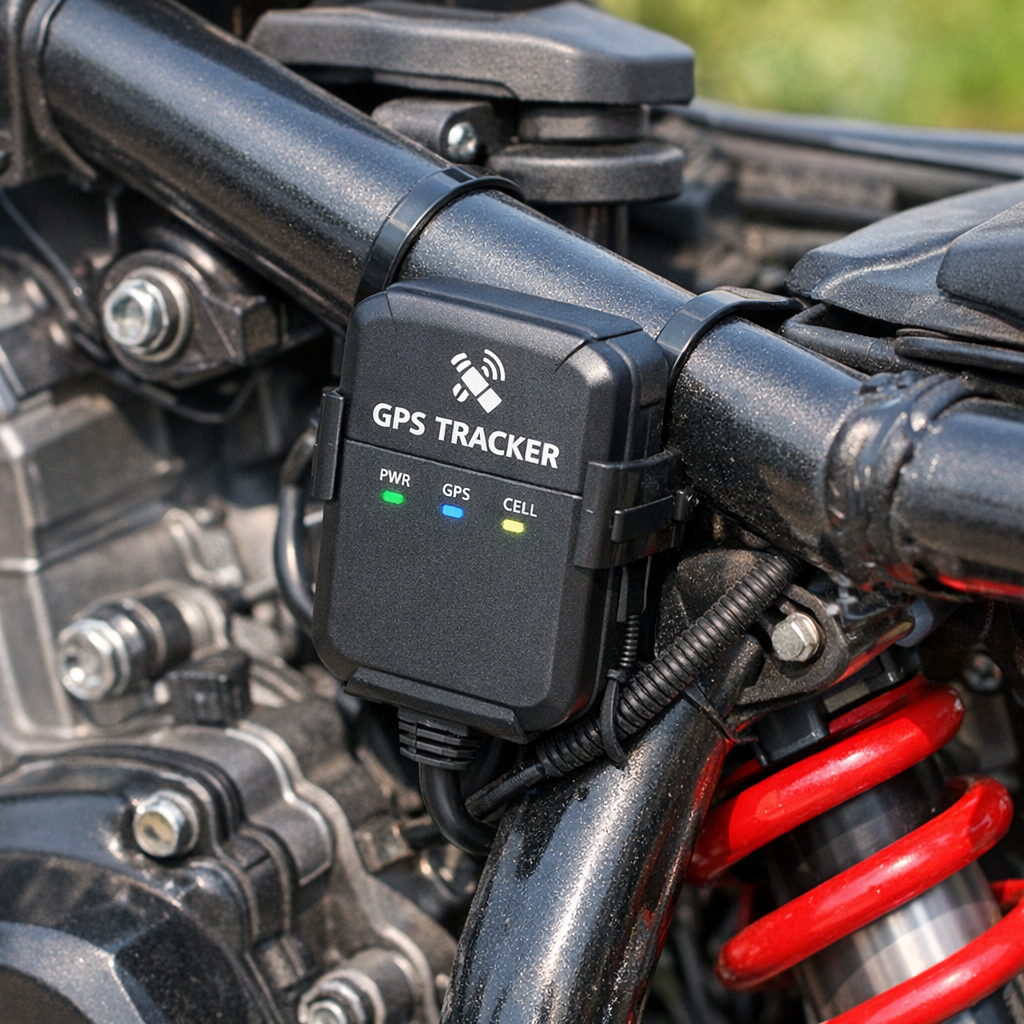
gps trackers: why location data alone rarely guarantees recovery
At a technical level, real time gps can report coordinates with high frequency, yet several operational and legal gaps reduce its practical value. Thieves can disable or remove hardwired and OBD-II devices, use signal jammers, or move vehicles into locations with poor cellular coverage. Even when a device transmits, the data often lacks corroborating context that law enforcement needs to act immediately: device identifiers, authenticated timestamps, and secure chain-of-custody records. For owners expecting instant interception, the mismatch is usually not technical precision but procedural and legal friction.
gps trackers: legal barriers, law enforcement roles, and evidentiary thresholds
Law enforcement agencies operate under rules governing probable cause, warrants, and officer safety. In many jurisdictions, police require a formal theft report and corroboration before committing resources to a recovery operation based on a private asset tracking feed. Providing only a live device location may not meet probable cause without supplemental proof—video, eyewitness testimony, or forensic evidence—particularly if the tracker can be moved between vehicles or altered. Conversely, improperly obtained or poorly documented location logs may be inadmissible in criminal or civil proceedings.
How jurisdiction affects response
Response protocols vary by municipality and agency capacity. Urban departments may prioritize incidents with public safety implications, while rural jurisdictions may lack the personnel for rapid intervention even when a vehicle GPS tracking feed is available. Cross-jurisdiction movement of a vehicle can further complicate pursuit or recovery, triggering coordination and mutual-aid rules that introduce delay and legal complexity.
How legal frameworks shape the use and reliability of vehicle gps tracking
Compliance obligations determine how organizations collect, retain, and share tracking data. In the European Union, GDPR imposes strict rules on personal data processing: if location data can identify a person, controllers must establish a legal basis, minimize retention, and implement safeguards. In the United States, a mix of federal statutes and state privacy laws governs interception, access to stored location information, and employer monitoring, creating a patchwork where lawful access that supports recovery depends on local rules. Browse GPS Trackers
Data retention and admissibility
Retention policies and audit logs matter when turning device feeds into usable evidence. Short retention periods, missing authentication metadata, or absence of tamper-evident logging can undermine the probative value of asset tracking records. Buyers and operators should evaluate providers on their ability to produce immutable logs and export data in formats acceptable to investigators.
Comparing vehicle gps tracking options: compliance, functionality, and trade-offs
Not all trackers are equal for legal and operational resilience. Passive, battery-only trackers marketed for asset tracking may be stealthy but lack constant real time gps reporting. Hardwired units provide continuous power and quicker detection but may be obvious and subject to tampering. OBD-II plug-in devices are simple to install but are accessible to a thief and can be removed. Cellular-enabled units with fallback satellite options increase reach but raise questions about lawful interception and cross-border data transfers.
- Real time gps devices: Best for near-instant alerts; require robust back-end security and clear data-sharing policies.
- Passive loggers: Preserve location history but may not assist immediate recovery unless recovered physically.
- Battery-powered stealth trackers: Harder to detect but require maintenance and may stop transmitting if battery dies.
- Hardwired units: Reliable power and concealment trade off against installation complexity and discovery risk.
Choosing between options requires balancing operational needs with compliance constraints, including encryption, user permissions, and the ability to produce forensic exports that investigators accept.
Selection checklist for legally defensible tracking
- Confirm data ownership and export capabilities, and require tamper-evident audit logs.
- Verify encryption in transit and at rest to reduce exposure in case of vendor compromise.
- Clarify retention and deletion policies to meet regional privacy laws.
- Assess device concealment vs. accessibility trade-offs for theft scenarios.
- Ensure vendor cooperation processes for law enforcement requests and subpoena compliance.
Practical examples and common mistakes in recovery attempts
Scenario: A small landscaping business installs low-cost OBD-II trackers across its vans. One van is stolen overnight and the owner watches a live location feed. Expectation: immediate police recovery. Reality: the thief discarded the OBD-II device before reaching public roads, and the GPS trail led only to a storage yard in a neighboring county; police required a formal theft report and additional corroboration before committing to a search warrant. Common mistakes in these and similar cases include assuming uninterrupted real time gps coverage, not documenting pre-theft ownership for recovery claims, publicly broadcasting live locations, and failing to preserve encrypted logs for investigators.
Scenario: A homeowner uses a battery-powered stealth tracker on a classic car. The device reports coordinates from inside a private warehouse in another state. Even with a clear location, recovery stalls because entering private property raises trespass and civil-liability concerns; police must obtain a warrant or owner permission and may be constrained by cross-border coordination delays.
Operational best practice: report theft promptly, preserve exported location logs with metadata, and avoid unilateral recovery attempts that risk confrontation or legal exposure.
Legal & ethical considerations (EU and US — high-level, non-legal advice)
EU context: Under GDPR, location data that can identify a natural person is personal data. For employers tracking fleet drivers, obtaining a lawful basis (such as legitimate interest or contract performance) and implementing transparent notices and data minimization are essential. Excessive retention or sharing without safeguards can trigger supervisory authority action.
US context: Federal statutes such as the Electronic Communications Privacy Act (ECPA) and state laws govern interception and access to stored communications and location data. Employers should consult counsel before deploying continuous employee tracking; in many states, employees must be informed and policies documented to avoid privacy claims. Law enforcement access often requires a subpoena or warrant depending on the nature of the data and location.
Ethical boundary: even when legally permissible, consider proportionality. Tracking should be narrowly tailored to business needs, limited in duration, and accessible only to authorized personnel. Maintain clear internal policies and incident response plans that define when to engage law enforcement and how to preserve evidence. Discreet solutions
Frequently Asked Questions
Q: Why didn't my gps trackers prevent theft or guarantee recovery?
A: Trackers can provide location data but cannot prevent interference, and recovery depends on legal processes, law enforcement priorities, and the quality of logged evidence.
Q: Can I track a stolen vehicle myself without contacting police?
A: You can monitor a location feed, but attempting independent recovery risks confrontation, trespass, and criminal exposure; involve law enforcement and provide authenticated logs.
Q: Are employer-installed vehicle gps tracking systems legal?
A: They can be legal if implemented with proper notice, documented policies, and compliance with regional privacy laws; requirements differ by jurisdiction and purpose.
Q: Will device logs hold up in court as evidence?
A: Logs are more likely to be admissible when they include tamper-evident audit trails, timestamps, device identifiers, and export formats acceptable to investigators; vendor practices matter.
Q: Can signal jammers or GPS spoofers defeat vehicle gps tracking?
A: Yes. Jammers, spoofers, or physical removal can prevent transmission; reliance solely on a tracking feed without corroborating evidence increases recovery risk.
Closing: measured expectations and practical next steps
For homeowners and small businesses, gps trackers and vehicle gps tracking remain valuable tools for deterrence and post-incident investigation, but they are not a legal shortcut to immediate recovery. Evaluate devices for real time gps capability, secure logging, and vendor cooperation; document ownership and reporting steps; and align deployment with regional privacy and employment law. Thoughtful selection, operational discipline, and early engagement with law enforcement increase the chance that location data leads to a lawful and successful recovery.