Артикул: gps trackers for homeowners and fleets: real-time vs route history
gps trackers for homeowners and fleets: real-time vs route history
Choosing between live location disclosure and recorded route analysis starts with a clear understanding of gps trackers and how they serve different needs. For homeowners, managers of small fleets, or professionals monitoring assets, the trade-off between real time tracking and route history affects response times, privacy exposure, legal compliance, and data requirements. This comparison explains technical differences, practical use cases, selection criteria, and common mistakes to help non-technical buyers make defensible decisions.
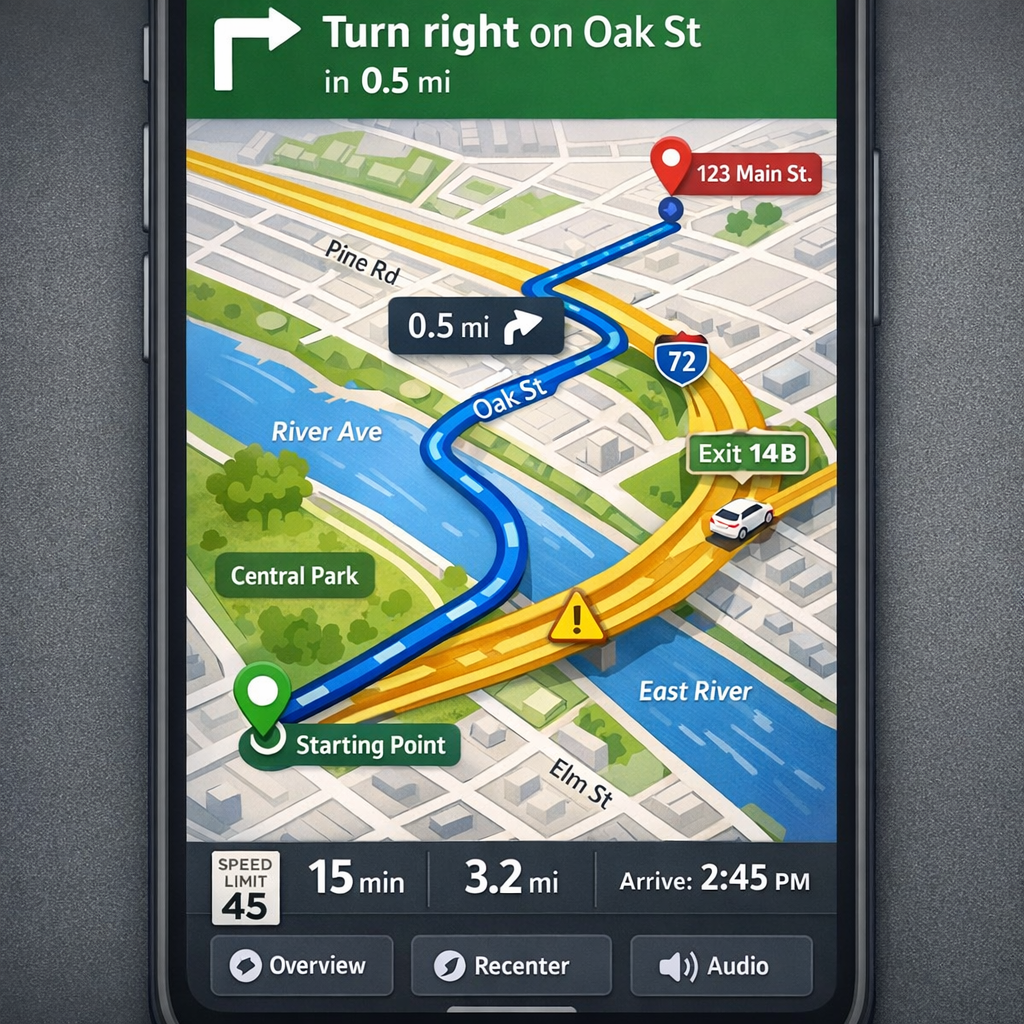
How gps trackers deliver real time tracking
Real time tracking is a service model where a gps trackers device transmits its current location at short intervals—often every few seconds to minutes—so an operator can view live positions on a map. This capability depends on three components: the tracking device’s GNSS receiver, a cellular or radio uplink, and a cloud or server platform that renders positions with minimal delay. Real time tracking is used to dispatch emergency responders, monitor driver safety, or recover stolen assets. It imposes continuous connectivity and typically higher data and power consumption than passive devices.
Real time systems produce immediate situational awareness: geofencing alerts, live speed and heading, and route deviation alarms. They also require active monitoring protocols and policies to avoid alert fatigue. For a homeowner who wants to confirm a teenager’s arrival time, short-interval real time tracking may be sufficient. For a small delivery fleet, real time tracking aids dynamic routing and customer ETAs. For deeper technical background on real-time architectures and cloud requirements, refer to the pillar resource that outlines live location frameworks. Read the complete GPS Trackers guide
How gps trackers record route history and why it matters
Route history—also called route analysis or historical tracking—collects sequential location records and stores them for later review. A gps trackers device configured for route history may log positions locally and upload them periodically, or it may stream data at lower frequency to conserve battery and bandwidth. Route history supports compliance reporting, performance reviews, incident reconstruction, and pattern analysis where retrospective insight is more important than moment-to-moment awareness.
Historical logs are suited for auditing driver hours, confirming delivery windows, or analyzing high-use corridors to optimize routes. Because data is aggregated over time, route history often reduces cellular costs and extends battery life. The trade-off is latency: you cannot act on a live incident as quickly as with real time tracking. If you plan to evaluate long-term behavior or produce legally defensible records, prioritize devices and platforms that timestamp and hash logs to preserve chain-of-custody integrity for audits.
Technical comparison: power, connectivity, and data
From a technical perspective, the major differences between real time tracking and route history are power consumption, data usage, and required connectivity. Real time modes often use continuous GSM/4G/5G connections and frequent GNSS fixes, increasing both power draw and data costs. Route history uses duty-cycling—longer sleep intervals and batch uploads—to conserve resources. Device selection must match expected uptime, charge intervals, and whether permanent installations (AC-powered) or battery-operated units are required.
Battery life and maintenance
Devices optimized for route history can last weeks or months on battery because they minimize transmissions. Real time trackers may require hardwiring, frequent charging, or larger batteries. Consider maintenance burden: frequent battery swaps or charging routines increase operational costs for small fleets or property managers.
Data fidelity and forensic value
Higher fidelity (frequent fixes) improves position accuracy and behavioral insights but increases costs. For legal or insurance purposes, uninterrupted timestamped logs with secure storage are often more valuable than continuous live feeds; route history designed for chain-of-custody is essential in incident disputes.
Decision logic: when to choose real time tracking vs route history
Choose real time tracking when immediate action is required: active asset recovery, live safety monitoring, or dynamic dispatch. Choose route history when you need audit trails, trend analysis, or cost-effective long-term oversight. Hybrid strategies are common: devices operate in low-power history mode and switch to real time mode when specific triggers occur (e.g., tamper detection or geofence breach).
For small business owners balancing budget and risk, a hybrid solution reduces costs while preserving the option for escalation. For homeowners, passive route history often suffices unless you need theft recovery or urgent child safety monitoring. For high-value mobile assets, invest in always-on real time systems with redundant communications.
Practical examples and common mistakes
Example 1 — Home use: A homeowner installs a small gps trackers pill in a classic car. Route history mode preserves weekend trip logs without drawing the car battery down. A common mistake is enabling high-frequency live updates and then finding the vehicle battery depleted after a week.
Example 2 — Small courier fleet: A three-vehicle courier service selects real time tracking to provide customers ETAs. Without geofence rules and escalation procedures, the operations manager receives alerts but cannot triage them, creating more manual work. Mistake: picking a platform with limited filtering and no historical aggregation; the team loses the ability to analyze delays over time.
Example 3 — Equipment rental: A landscaping business uses route history for asset utilization reports and occasional theft investigation. Mistake: choosing a vendor that stores only short-term logs or lacks exportable timestamped files, making it impossible to support insurance claims.
Buyer guide: evaluation criteria and selection logic
When evaluating gps trackers, assess the following criteria: update frequency options (configurable for real time vs history), battery life in each mode, network redundancy (cellular + fallback), data retention policies, export formats, tamper detection, and legal compliance features like consent logging. Prioritize devices that allow firmware configuration and remote mode switching so you can adapt from historical to real-time modes without hardware changes.
Compare platforms on analytics capability: does the portal provide route replay, speed violations export, hashed logs for audits, or only live pins? Also evaluate data ownership and retention—if the provider retains proprietary access, you may be locked out of legacy records when switching vendors. For purchasing advice tailored to the category of products, review the GPS tracking collection and filter by power source and reporting interval. Browse GPS Trackers
Legal & ethical considerations (EU and US high-level overview)
Monitoring location data raises legal obligations in both jurisdictions. In the EU, the GDPR treats location data as personal data when it can identify an individual; lawful bases include legitimate interest and consent, but employers must conduct balancing tests and provide transparent policies. In the US, federal law is less prescriptive, but state privacy laws and sector rules (e.g., employee monitoring statutes) may apply. Neither summary replaces legal counsel; instead, implement privacy-by-design: minimize retention, anonymize data where possible, document purpose, and secure explicit consent when tracking individuals.
Law enforcement requests and cross-border data transfers complicate compliance. If you intend to use route history as evidence, maintain immutable timestamps and access logs. For employee monitoring, clearly define permitted uses, opt-out mechanisms when practical, and disciplinary policies to reduce liability.
Frequently Asked Questions
Q1: Can one device do both real time tracking and route history?
A1: Yes. Many modern gps trackers support configurable reporting intervals and hybrid modes that switch to live streaming on triggers while otherwise logging historical data.
Q2: Which mode is cheaper to operate long term?
A2: Route history is generally cheaper due to reduced data transmission and longer battery life; real time tracking increases cellular usage and maintenance costs.
Q3: Are historical logs admissible in court?
A3: They can be admissible if collected and stored securely with verifiable timestamps and chain-of-custody; consult counsel and choose devices that support secure exports.
Q4: How do I avoid privacy violations when tracking employees or family?
A4: Use written policies, obtain informed consent where required, limit data to business hours or specific assets, and implement retention limits and access controls.
Q5: What common setup mistakes reduce effectiveness?
A5: Frequent errors include choosing non-configurable devices, failing to set geofences or alerts, ignoring firmware updates, and relying on vendors that do not allow data export for analysis.
Educational closing
Deciding between real time tracking and route history is a function of response requirements, budget, privacy obligations, and evidence needs. gps trackers are tools; selecting the right combination of device capabilities and platform features reduces operational friction and legal risk. Start by defining the precise outcomes you need—immediate intervention, long-term auditing, or a hybrid of both—and evaluate candidates against battery life, reporting flexibility, data ownership, and compliance features. For implementation patterns and technical best practices that support both live and historical usage, consult additional technical resources and vendor documentation when configuring devices. Discreet solutions