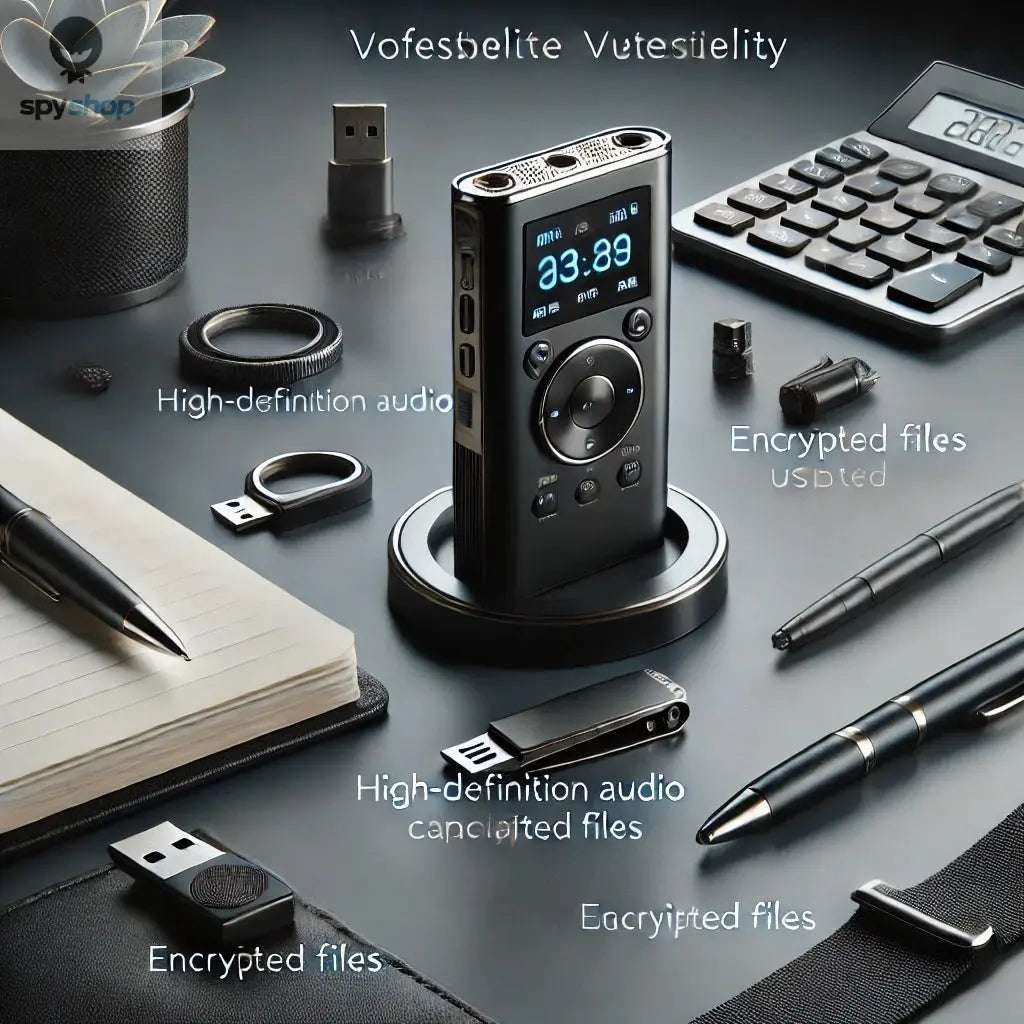
Forensic Computers: Digital Evidence and Data Recovery
Digital forensics examines data from authorised sources using an appropriate preservation and analysis process. Recovery of deleted data is not guaranteed. The device, storage technology, encryption, deletion method and subsequent activity affect what remains available.

Distinguish available data from recoverable data
A tool may extract accessible files without recovering deleted material or bypassing a lock. NIST's digital investigation review describes limits including overwritten data and storage changes associated with SSD TRIM. Do not assume deleted messages, passwords or encrypted files can always be restored.
Verify the exact tool and device
Check current support for the model, operating system, app and data type. A successful extraction from one device is not a capability statement for every phone. A “forensic computer” does not automatically defeat encryption or unlock an account.
Establish authority first
Use recovery and examination only with appropriate authority over the device and data. Ownership, an employment relationship or a suspicion of infidelity does not automatically establish permission to inspect another person's private material.
Protect important source data
If recovery or formal examination matters, avoid unnecessary changes, formatting or additional writes and seek suitably qualified help. Record the source and handling; keep necessary working copies separate from the original material.
This overview verifies no store inventory, bypass product, examination service or recovery success rate. Choose an authorised process with a clear scope rather than a promise of precision and ease.

Written by PRIVATE D.O.O. Pecek