
gps trackers: when magnetic mounts fail for homeowners and small fleets
Choosing the right gps trackers requires more than picking the smallest or cheapest unit: the mounting method changes reliability, legality, and long-term costs. This article examines why magnetic-mounted gps trackers are often a poor choice for homeowners, small fleets, contractors, and asset managers, and lays out a structured comparison of risks, use-case tradeoffs, and buyer evaluation criteria. Read the complete GPS Trackers guide
Why gps trackers with magnetic mounts look attractive
Magnetically attached gps trackers promise painless, no-permanent-installation deployment. For a homeowner who wants to check a rarely used trailer or for a contractor lending tools between sites, a magnet mount seems ideal: fast attachment, easy transfer, and no wiring. Magnetic units also reduce installation labor for small fleets with limited technical support, lowering upfront friction.
When gps trackers with magnets are a bad choice: comparison by scenario
Not every context benefits from magnet-mounted devices. Compare three common scenarios to show where magnetic mounts fall short:
1) Homeowners tracking vehicles intermittently
Pros: Easy to move between a second car and a trailer. Cons: Exposure to theft if the tracker is visible, poor satellite reception if mounted inside or behind metal panels, and vulnerability to accidental detachment during towing. For residential use where privacy expectations and third-party consent matter, a removable magnet may introduce legal ambiguities if it is used on a vehicle not owned by the installer.
2) Small commercial fleets and delivery vehicles
Pros: Low installation cost and quick deployment for trialing telematics. Cons: Magnetic mounts are prone to vibration failure on rough routes, accidental drops, and interference with vehicle ground planes that degrade antenna performance. Fleet managers face higher maintenance and replacement rates, plus inconsistent data for route optimization. Permanently wired vehicle gps tracking often delivers better uptime and more reliable diagnostics.
3) Asset tracking (trailers, equipment, tools)
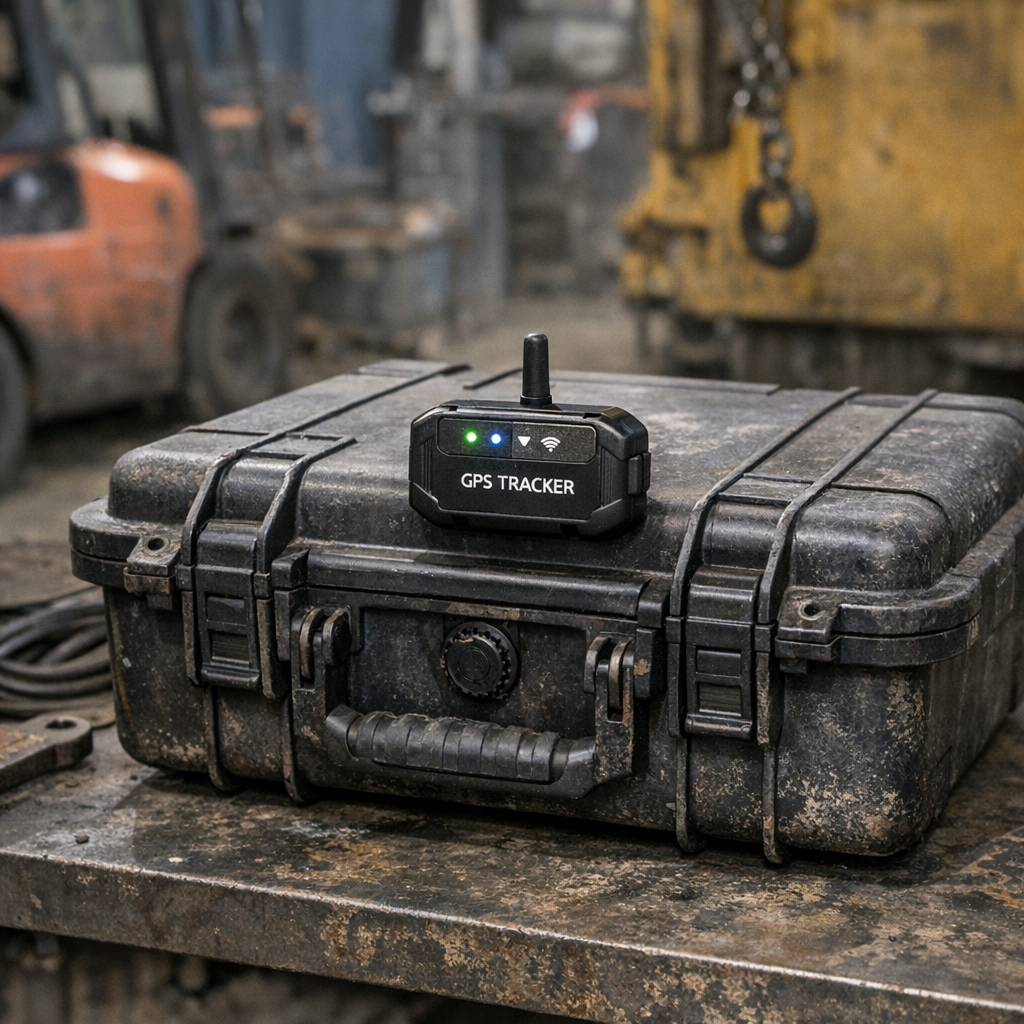
Pros: Magnet devices allow temporary placements on equipment that moves between sites. Cons: Heavy machinery and metal structures can shield the antenna leading to poor real time gps updates; magnets may not adhere under heavy load or high-vibration environments. For expensive assets, hard-mounted asset tracking with tamper-evident enclosures reduces theft and improves chain-of-custody records.
Technical limitations of magnetic mounts for gps trackers
Beyond obvious detachment risk, magnetic mounting introduces several technical failure modes: antenna shadowing when devices sit against ferrous surfaces, intermittent contacts that cause power cycling, and difficulty integrating with vehicle power for continuous reporting. Real time gps performance declines when the unit is not in an optimal orientation; this reduces location accuracy and update frequency, undermining solutions that depend on frequent position pings.
Legal and compliance comparison for gps trackers
Legal risks differ by context and jurisdiction. In the United States and EU, tracking a vehicle or person without proper authorization can expose individuals and companies to civil claims or regulatory scrutiny. Employers must balance legitimate security or fleet-management needs against employee privacy rights and data protection laws. A magnetic tracker that can be moved between vehicles increases the risk of unauthorized tracking if chain-of-possession controls are weak. For high-sensitivity applications, choose installations that allow audit logs and consent records rather than ad-hoc magnetic placements. Browse GPS Trackers
Buyer criteria: how to evaluate gps trackers when magnets are under consideration
Use these questions as a decision filter when comparing magnetic vs hardwired or bolted trackers:
- Purpose: Is the goal theft recovery, fleet telematics, or occasional location checks? Temporary needs can tolerate magnets; continuous telematics usually cannot.
- Environment: Will the device face vibration, water exposure, or heavy metal shielding? Harsh environments favor sealed, fixed mounts.
- Power requirements: Do you need continuous reporting or multi-year battery life? Hardwired units support frequent real time gps updates; passive magnetic units often rely on batteries and duty cycles.
- Security and tamper resistance: Is a removable device acceptable, or do you need tamper alerts and secured enclosures?
- Compliance: Can you document consent or ownership clearly when units move between assets and people?
Practical examples and common mistakes
Example 1: A landscaping contractor uses a magnet tracker on a trailer. After a week of rough roads, the tracker falls off and is lost; recovery fails because intermittent data prevented precise pinpointing. The mistake: prioritizing convenience over secure attachment and assuming coverage equals accuracy.
Example 2: A homeowner places a magnetic tracker inside a parked boat’s hull and expects constant updates. The metal hull and water interference cause delayed fixes; the owner misinterprets stale positions as signal loss. The mistake: ignoring antenna orientation and testing for real time gps performance before deployment.
Example 3: A small delivery firm pilots magnet-mounted units for short-term tracking. Drivers object to being tracked across personal use because devices get moved between vehicles. The mistake: failing to establish clear policies, written consent, and privacy boundaries before rolling out devices. Discreet solutions
Legal & ethical considerations (high-level, EU and US)
United States: Laws vary by state. Monitoring employee vehicles commonly requires policies, notifications, or explicit consent depending on whether the vehicle is company-owned. Tracking personal vehicles with a magnetic device can create legal exposure, especially if done covertly. Maintain written policies, consent forms, and retention rules for location data.
European Union: The GDPR frames location data as personal data when it can identify an individual. Data controllers must have a lawful basis (consent, legitimate interest with balancing tests, or contractual necessity) and implement minimization and retention limits. Movable magnetic trackers complicate data minimization because they may collect unexpected personal movement data; document processing activities and conduct impact assessments where necessary.
Ethical practice across both regions: prioritize transparency, limit precision and retention to what’s necessary, provide opt-out or removal procedures, and secure telemetry against unauthorized access.
Buyer guide: selection checklist and mistakes to avoid
Checklist before purchase:
- Test antenna performance in the intended mounting location.
- Verify ingress protection rating and vibration tolerance.
- Confirm power options (battery life vs wired) match reporting needs for real time gps updates.
- Require tamper detection and secure housings for high-value assets.
- Document consent and privacy policies for any device that may collect third-party movement data.
Common mistakes: buying solely on price, skipping field tests, underestimating maintenance for removable devices, and failing to align installation method with legal obligations.
Frequently Asked Questions
Q1: Are magnetic gps trackers legal to use on my own vehicle? A: Generally yes for your own property, but you must check local laws and avoid tracking others without consent.
Q2: Do magnetic mounts affect real time gps accuracy? A: Yes; metal contact and poor orientation can degrade antenna reception and reduce update reliability.
Q3: Can magnetic trackers be tamper-proof? A: Magnetic devices are inherently easier to remove; choose tamper alerts, concealed placements, or hard-mounted models for higher security.
Q4: Which is better for fleets: magnetic or hardwired gps trackers? A: For continuous fleet management, hardwired trackers usually deliver greater uptime, diagnostic data, and lower long-term costs despite higher installation effort.
Q5: How should I handle privacy when devices move between vehicles? A: Maintain documented consent, clear policies, data minimization, and access controls; treat location logs as sensitive personal data.
Educational closing
Deciding whether magnetic gps trackers are appropriate requires weighing convenience against technical performance, legal exposure, and operational risk. Use scenario-based comparisons to match mounting methods to your goals: temporary, low-risk checks may tolerate magnets, while continuous telematics, high-value asset protection, or environments with legal sensitivity benefit from hardwired or tamper-resistant installations. Field-test devices in the exact mounting location, document consent and retention policies, and choose hardware that provides the diagnostics you need for reliable real time gps monitoring.