GPS Trackers: When Magnetic Trackers Are a Bad Choice for Homes and Fleets
Choosing gps trackers requires matching device form factor, mounting method, and legal constraints to the specific task; magnetic trackers are convenient, but in many homeowner, small business, and fleet situations they create reliability, safety, and compliance problems that outweigh their benefits.
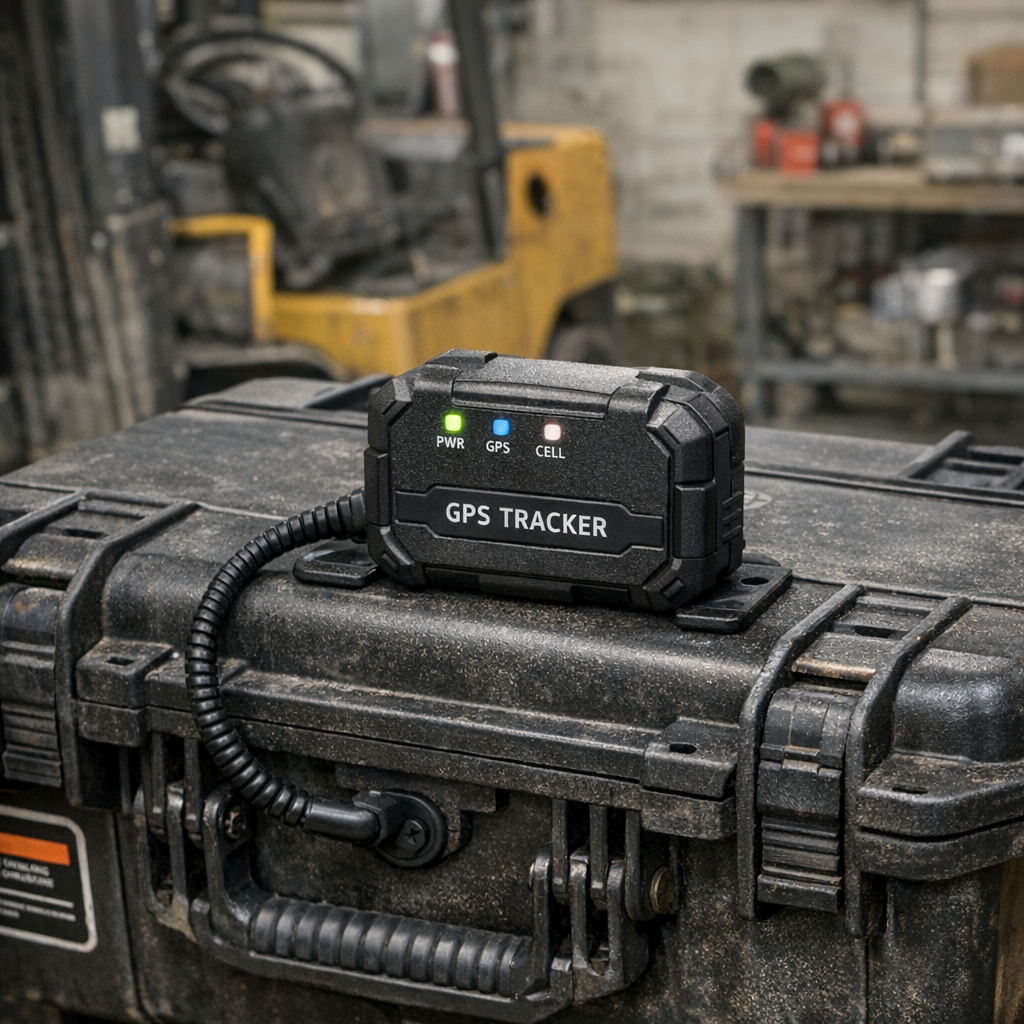
How magnetic gps trackers work and why they appeal
Magnetic gps trackers attach to metal surfaces with built-in magnets and typically use cellular or satellite networks to send position data in real time gps feeds. Their appeal is obvious: fast installation, no vehicle disassembly, and portability for temporary asset tracking. For low-risk, short-term monitoring of items like rental trailers or equipment on private property, a magnetic mount can be an effective, low-cost solution. However, this simplicity hides functional and legal trade-offs that matter for many professional scenarios. Read the complete GPS Trackers guide
Comparing gps trackers: magnetic vs hardwired vs concealed
When you compare gps trackers across mounting types, evaluate signal integrity, tamper resistance, power strategy, and legal transparency. Magnetic units excel at plug-and-play mobility, but hardwired devices provide continuous power for persistent vehicle gps tracking and are less likely to fall off or be removed by mistake. Concealed or stealth installations offer anti-tamper advantages for fleet security but require professional installation and documented consent in many jurisdictions.
Power and uptime
- Magnetic: Battery-powered or with limited battery life; susceptible to cold, vibration, and accidental detachment.
- Hardwired: Continuous power from the vehicle; suited for long-term vehicle gps tracking and uninterrupted real time gps updates.
- Concealed battery backups: Combine stealth with extended life but increase installation complexity.
Tamper and environmental resilience
- Magnetic: Easier to spot and remove; can be lost during service or loading; magnets may fail under heavy vibration.
- Hardwired and welded mounts: Require tools to remove and are more resistant to tampering.
Use-case decision logic: when magnetic trackers are a bad choice
For each deployment, run a simple decision logic: is the goal long-term monitoring, does the asset move across jurisdictions, are there liability or privacy concerns, and what are consequences of signal loss? Magnetic trackers are a bad choice when any of the following apply.
- Critical continuous monitoring: If the asset requires uninterrupted vehicle gps tracking—for example, refrigerated truck routes or high-value cargo—battery-dependent magnetic units risk interruptions that can cost goods or violate service-level agreements.
- High-tamper environments: Fleets operating in high-crime areas or public garages should avoid easily removed devices; a magnetic tracker can be stolen or disabled, leaving you without recovery data.
- Long-term installations: If the device must stay attached indefinitely, the magnet will degrade or corrode and adhesion can fail under road vibration and weather.
- Regulatory compliance and chain-of-custody: Industries that require documented, tamper-evident tracking—construction, critical infrastructure, or regulated transport—need hardwired or sealed installations to maintain evidence integrity.
- Asset tracking of non-metal items: Magnetic mounts rely on metal surfaces; when tracking non-ferrous assets, holders or alternative mounting increase cost and reduce the magnetic solution’s advantage.
Practical examples and common mistakes
Real-world scenarios help clarify the pitfalls. A landscaping company attached magnetic gps trackers to trailers to monitor location, then discovered units fell off during transport and were not covered by their insurance policy because the chain of custody couldn’t be proven. A homeowner used a magnetic unit to track a secondary vehicle; the device was discovered and removed by a family member, creating a breach of privacy and family conflict. A small courier firm relied on magnetic trackers for route verification and then faced a contract dispute after intermittent signal loss meant proof of on-time delivery was inconclusive.
Common mistakes include assuming magnet equals security, ignoring battery performance under extreme temperatures, underestimating exposure to mechanical shock, and failing to account for legal consent when placing trackers on vehicles not owned by the installer. For work vehicles used by employees, you should have a written policy and explicit consent to avoid employment-law complications. Browse GPS Trackers
Buyer guide: evaluation criteria and selection logic
When selecting gps trackers, assess these criteria and prioritize according to use case.
- Power requirements: Determine expected monitoring interval and choose hardwired or battery with the appropriate capacity for the duty cycle.
- Mounting and tamper resistance: For fleets, prefer devices with hardwire kits, sealed enclosures, or tamper alerts. For temporary asset tracking, choose magnetic units with vibration-resistant housings and external locking mechanisms where possible.
- Accuracy and reporting rate: Higher-frequency reports increase data costs but provide better evidence for route disputes; for asset tracking on job sites, use devices that support configurable real time gps intervals.
- Environmental ratings: Check IP ratings and operational temperature ranges for outdoor equipment or refrigerated vehicles.
- Data retention and integration: Confirm how long providers store location history and whether APIs integrate with dispatch, compliance, or ERP systems.
- Legal and consent features: Look for firmware and reporting that include tamper logs, event timestamps, and audit trails useful in compliance reviews.
Legal & ethical considerations (EU and US high-level)
Tracking devices raise legal and ethical issues in both the EU and US. In the EU, data protection laws such as the GDPR treat location data as personal data when it can identify an individual. Employers and service providers must have a lawful basis for processing location data, implement data minimization, and provide clear notices. Covert tracking is particularly risky; consent and legitimate interest assessments are essential. Discreet solutions
In the US, rules vary by state. Many states prohibit installing a tracking device on another person’s vehicle without consent; courts have weighed privacy against property interests. Employers should adopt written policies, provide notice, and limit access to location logs to authorized personnel. For homeowner contexts, placing magnetic trackers on shared or borrowed vehicles can create criminal and civil exposure in some jurisdictions. Ethically, transparent communication and minimal intrusion align with best practice: track what you need, retain it only as long as necessary, and secure access.
Frequently Asked Questions
Q1: Can a magnetic gps tracker be reliable for fleet use?
A1: Generally no for primary fleet tracking; magnetic units are prone to detachment, battery depletion, and tampering, making hardwired or professionally mounted devices a safer choice for continuous vehicle gps tracking.
Q2: Are magnetic trackers legal to use on my own property?
A2: On property you own, yes in most jurisdictions, but if tracking people or employees you must still comply with privacy and employment laws; transparency and documented consent are recommended.
Q3: How does real time gps performance compare between magnetic and hardwired units?
A3: Performance depends on the modem and antenna placement; hardwired units usually allow optimal antenna placement and continuous power for consistent real time gps updates, while magnetic units may have intermittent transmission due to power constraints or obstructions.
Q4: What are cheaper alternatives to magnetic mounting for asset tracking?
A4: Consider bolt-on mounts, lockboxes, or POE-powered tracking modules for fixed assets; long-life battery tags and RFID supplement asset tracking for short-range use cases.
Q5: How should businesses document tracker deployment to reduce liability?
A5: Maintain written policies, signed consent forms for employee vehicles, installation receipts, chain-of-custody logs for high-value assets, and full audit trails of location data access.
Educational closing
Magnetic gps trackers are a valuable tool for certain short-term and low-risk scenarios, but they are frequently the wrong choice when continuous monitoring, tamper resistance, legal compliance, or long-term reliability matter. Use the comparison and buyer-guide criteria above to match mounting type to mission, and document deployments to reduce privacy and liability risk. For in-depth operational requirements and integration possibilities, consult technical documentation and your legal advisor to align tracking practices with regional regulations and business policies.