

Magnetic GPS Trackers: When to Consider Alternatives
Magnetic mounting can be useful for a compatible tracker on a suitable surface. It does not determine positioning accuracy, reporting technology or legal permission. Compare the exact device and installation rather than assuming that all magnetic trackers are unreliable or all hardwired units are continuous.
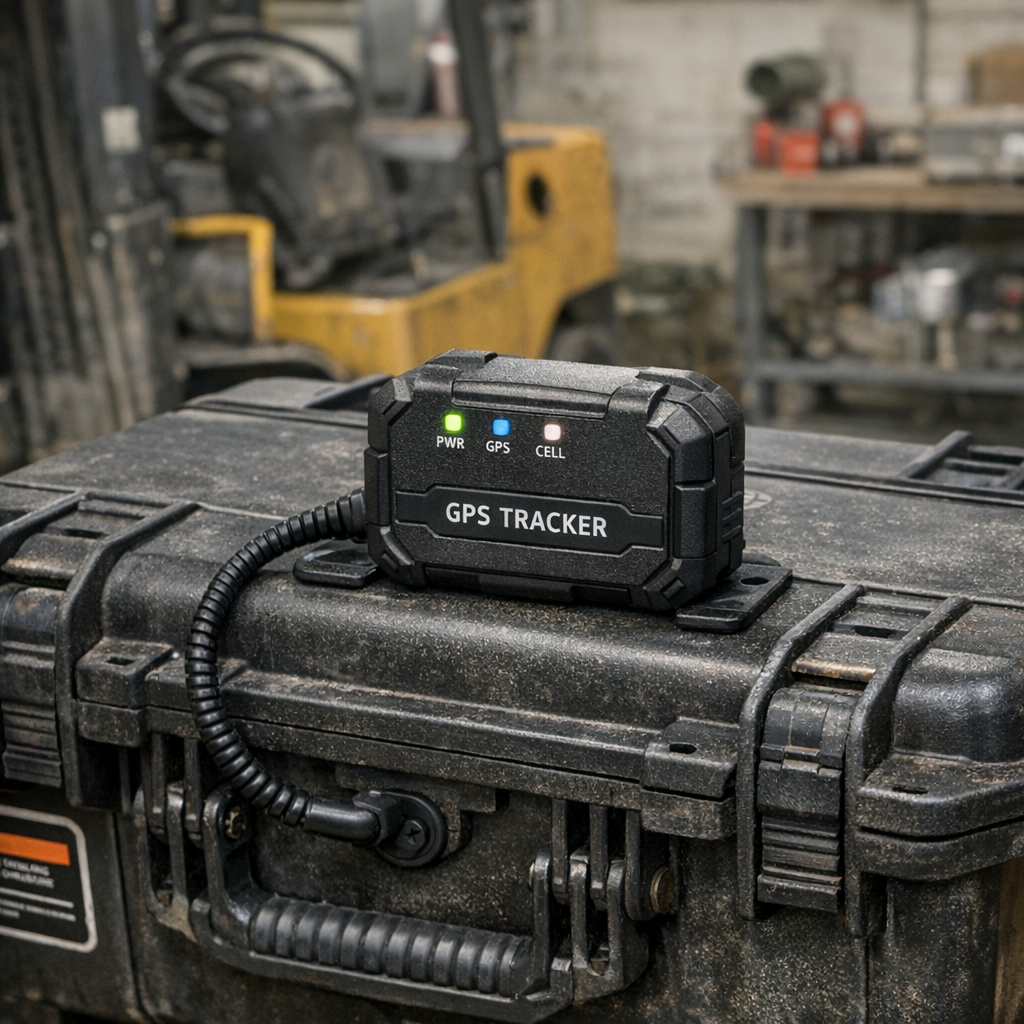
When a magnet fits
A removable mount may suit a temporary, authorised asset-monitoring task where attachment, reception and access can be checked. The surface must be suitable: aluminium and many other materials will not hold an ordinary magnet. Paint, dirt, curvature, vibration and exposure affect retention.
When another attachment is preferable
Consider a manufacturer-approved bracket or professionally fitted enclosure where detachment, road impact or unauthorised removal would be unacceptable. Do not weld a tracker or vehicle component as a generic mounting recommendation. Avoid heat, moving parts and safety systems, and follow vehicle and product instructions.
Separate power from mounting
A magnetic unit may use a battery or another supported supply. A hardwired unit uses vehicle power but can still lose power or communication. Concealment is another independent choice. Confirm duty cycle, charging access, low-battery behaviour and backup operation rather than inferring uptime from the attachment.
Separate positioning from reporting
A GPS fix is calculated from satellite signals. Remote reporting normally uses a separate mobile or supported satellite service. Not every magnetic tracker includes satellite messaging. Compare network bands, coverage, subscription, update interval and delivery delay. Faster reports may improve route completeness without making each fix more accurate.
Assess evidence and contractual needs
Tracking history can support a review but does not by itself prove delivery, custody or compliance. Insurance and service requirements depend on the actual contract. There is no universal rule that regulated tracking requires hardwiring or that a missing magnetic tracker invalidates an insurance claim.
Respect people affected
Define the purpose and assess privacy, employment, property and data-protection duties. Ownership or an employee's signature alone is not a complete legal assessment. Limit recording and retention and control access to location history.
Compare total installation requirements
Check mounting instructions, environmental ratings, maintenance, software support and ongoing service fees. Short-range RFID or Bluetooth asset systems can serve different tasks and are not direct substitutes for remote GPS tracking. Test the intended conditions before choosing a permanent setup.


