Mini Cameras: Discreet Recording and Placement Guide
Introduction
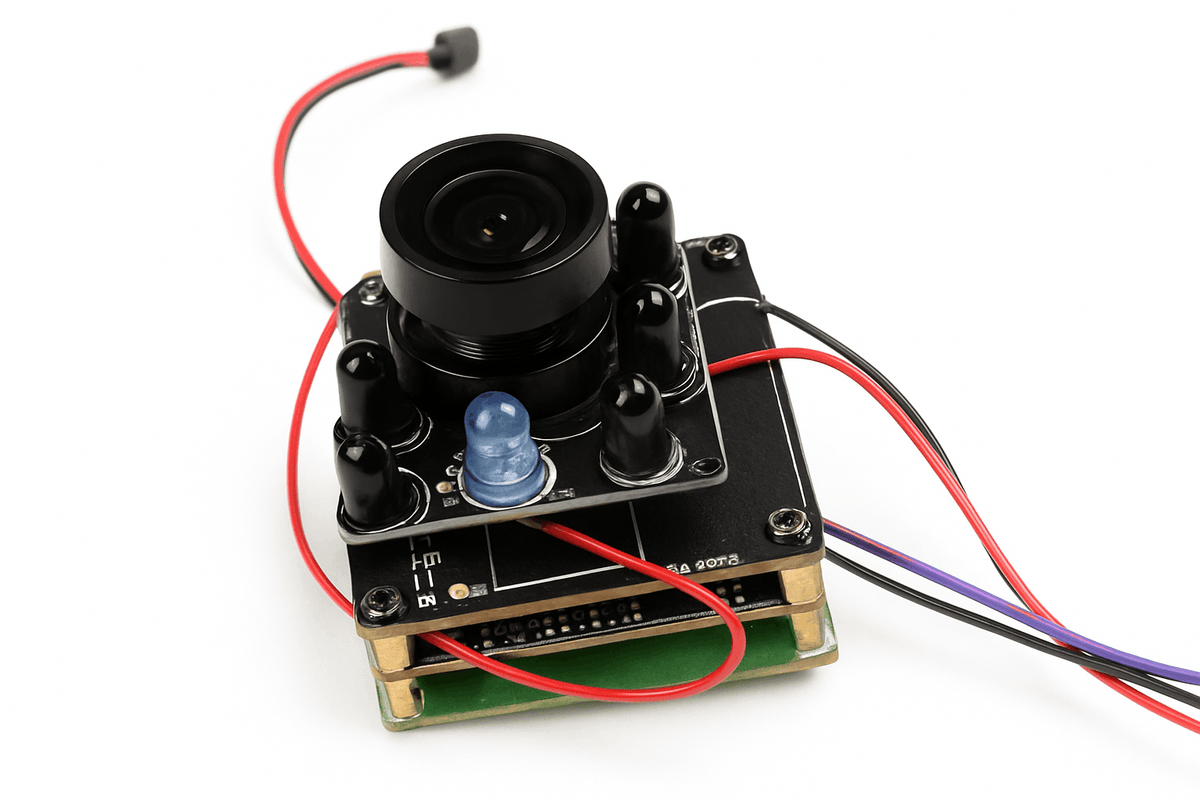
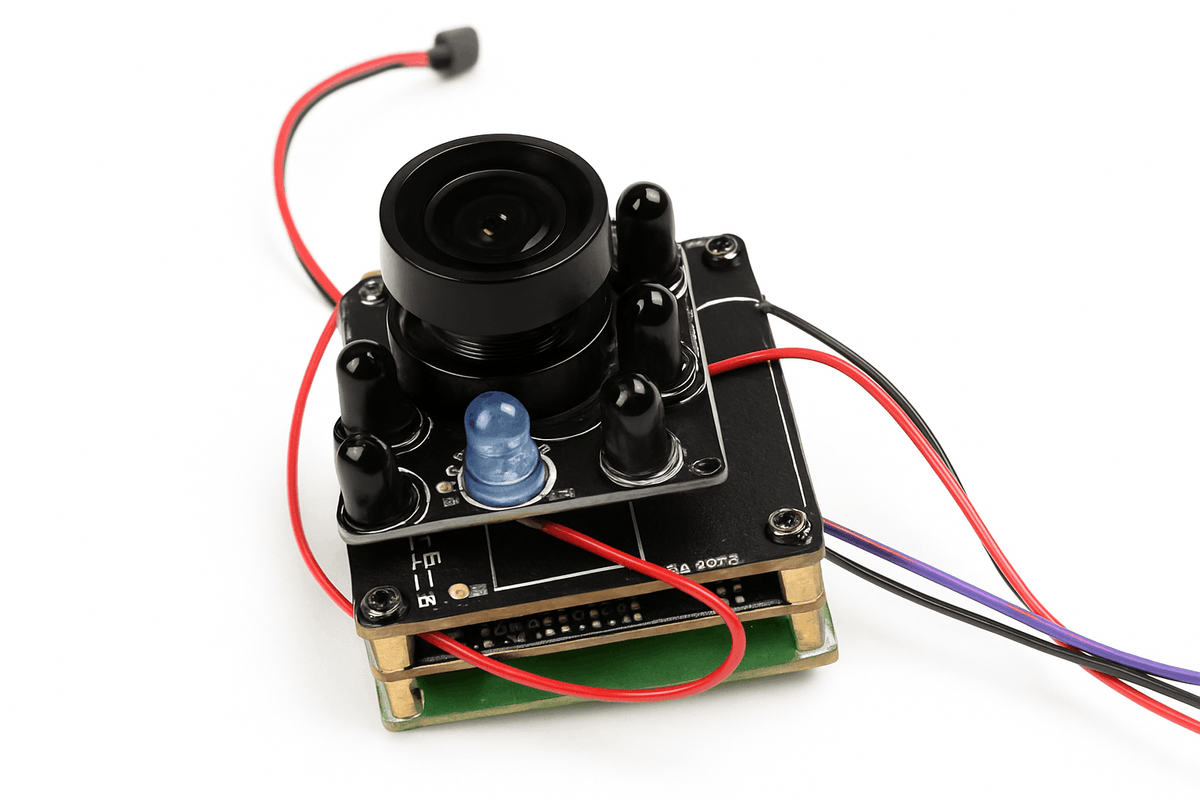
Mini cameras are compact recording devices designed for discreet monitoring in situations where traditional cameras are impractical. Their small size makes them ideal for home security, vehicle monitoring, and personal documentation.

This guide explains how mini cameras work, where they are used, and how to choose the right model.
About Mini Cameras
Expertise in Discreet Video Recording and Placement Constraints
Our experience with mini cameras centers on discreet video recording in environments where traditional surveillance systems are impractical. We evaluate mini cameras based on real-world limitations such as battery life, heat management, field of view, night performance, and placement sensitivity.
Mini cameras are assessed not only on how small they are, but on whether they produce usable footage under realistic conditions. Particular attention is given to placement challenges, blind spots, and environmental factors that often reduce effectiveness in compact devices.
Because mini cameras are frequently associated with discreet or temporary use, all guidance places strong emphasis on lawful and ethical deployment. Privacy boundaries, consent requirements, and restricted areas are treated as critical considerations.
Mini cameras are presented as situational tools with specific use cases—not as universal surveillance solutions.
What Are Mini Cameras?
Mini cameras are small, lightweight cameras capable of recording video continuously or when motion is detected. Despite their size, many models offer high-definition recording and long battery life.
They are commonly used for:
-
Discreet indoor monitoring
-
Vehicle security
-
Travel documentation
-
Temporary surveillance setups
Types of Mini Cameras
Mini Cameras Without Wi-Fi
-
Record locally to memory cards
-
Ideal for offline use
-
Simple and reliable
Mini Cameras With Wi-Fi
-
Allow live viewing via smartphone
-
Enable remote access
-
Require stable internet connection
Battery-Powered Mini Cameras
-
Portable and flexible
-
Ideal for temporary installations
-
Limited by battery capacity
How Mini Cameras Record
Most mini cameras offer:
-
Motion-activated recording
-
Continuous recording modes
-
Loop recording to save storage space
To understand the full range of options, see our detailed mini camera guide:
👉 /blogs/guides/mini-cameras-guide
Choosing the Right Mini Camera
Key factors to consider:
-
Recording resolution
-
Battery life
-
Storage size
-
Ease of use
-
Discretion level
Avoid choosing solely based on size — performance and reliability matter more.
Legal and Ethical Use
Mini cameras must be used responsibly:
-
Avoid recording private spaces without consent
-
Do not use for illegal surveillance
-
Follow local privacy regulations
Common Use Cases
-
Home monitoring
-
Vehicle security
-
Office documentation
-
Travel and personal safety
Common Mistakes
-
Poor placement leading to bad angles
-
Forgetting battery limitations
-
Ignoring storage capacity
-
Using cameras in restricted areas
Frequently Asked Questions
Do mini cameras work without internet?
Yes, many models record locally without Wi-Fi.
How long can a mini camera record?
Recording time depends on battery and storage capacity.
Are mini cameras legal?
Yes, when used within legal and ethical boundaries.
Final Thoughts
Mini cameras offer flexibility and discretion when traditional surveillance systems are not suitable. Choosing the right model ensures reliable recording without unnecessary complexity.
View available options here:
👉 /collections/mini-cameras
How Mini Cameras Work in Real-World Conditions
Mini cameras are often described in terms of features and specifications, but their real-world behavior depends heavily on how they are deployed. Understanding how these devices function outside controlled environments helps set realistic expectations and improves outcomes.
Motion Detection Explained
Most mini cameras rely on motion detection to conserve battery life and storage space. Motion detection typically works in one of two ways: pixel-based motion detection or sensor-assisted detection.
Pixel-based detection analyzes changes in the video image itself. When enough pixels change between frames, recording is triggered. This method is simple and widely used but can be affected by lighting changes, shadows, or reflections.
Sensor-assisted detection relies on additional hardware, such as infrared motion sensors. These systems are generally more reliable in stable lighting conditions but may struggle in very small spaces or behind glass.
In practice, motion detection works best when:
-
The camera has a clear, unobstructed view
-
Lighting conditions are relatively stable
-
The monitored area is not overly cluttered
Motion detection should be viewed as a tool for efficiency, not perfection.
Continuous Recording vs Event-Based Recording
Some mini cameras support continuous recording, while others rely primarily on event-based (motion-triggered) recording.
Continuous recording provides complete coverage but:
-
Consumes more battery power
-
Requires more storage
-
Is less suitable for battery-powered devices
Event-based recording extends usability but may miss brief moments if detection thresholds are not properly set. Choosing between these modes depends on whether completeness or efficiency is the priority.
Loop Recording and Storage Management
Loop recording allows mini cameras to overwrite the oldest footage when storage is full. This feature is essential for long-term use but requires careful configuration.
In real use:
-
Important clips should be backed up promptly
-
Users should understand overwrite intervals
-
Storage size directly affects retention time
Loop recording is not a replacement for proper file management.
Mini Cameras by Use Case
Mini cameras are used in a wide range of scenarios, each with different technical and ethical considerations.
Home Monitoring and Temporary Security
Mini cameras are often used as temporary monitoring tools in homes, especially where permanent installations are impractical.
Common scenarios include:
-
Monitoring entrances during travel
-
Temporary supervision of specific rooms
-
Short-term security during renovations
In these cases, ease of setup and reliable local recording are more important than advanced features.
Vehicle Monitoring
In vehicles, mini cameras may be used to document incidents, monitor parked vehicles, or capture travel footage.
Key challenges include:
-
Limited space for placement
-
Variable lighting conditions
-
Vibration and movement
Cameras used in vehicles must be securely mounted and tested to ensure usable footage.
Office and Workplace Documentation
In professional environments, mini cameras may be used for documentation rather than surveillance.
Typical uses include:
-
Temporary monitoring of equipment
-
Documenting processes or incidents
-
Supporting internal investigations
Transparency and policy compliance are essential in these contexts.
Travel and Personal Safety
Travelers sometimes use mini cameras for personal safety or documentation, particularly in unfamiliar environments.
In practice:
-
Battery life is often the limiting factor
-
Storage should be checked frequently
-
Local laws may differ significantly
Mini cameras used for travel should prioritize simplicity and reliability.
Discretion vs Visibility in Mini Camera Use
Discretion is often misunderstood. Smaller size does not automatically imply secrecy or misuse.
When Discreet Cameras Make Sense
Discreet mini cameras are useful when:
-
Large cameras would be impractical
-
Temporary placement is required
-
Visual intrusion should be minimized
Discretion should not be confused with concealment for unlawful purposes.
When Visibility Is Preferable
Visible cameras:
-
Provide deterrence
-
Reduce legal ambiguity
-
Support transparency
In many professional contexts, visible placement is the safer and more appropriate choice.
Image Quality in Mini Cameras: What Actually Matters
High resolution alone does not guarantee usable footage.
Resolution vs Clarity
Higher resolution increases detail but also:
-
Consumes more storage
-
Requires more processing power
-
Reduces battery life
In many real-world scenarios, stable image quality at moderate resolution is more valuable than maximum pixel count.
Lighting and Low-Light Performance
Mini cameras are limited by their small sensors. Low-light performance depends on:
-
Sensor sensitivity
-
Lens quality
-
Available ambient light
Users should not expect mini cameras to perform like full-size surveillance cameras in darkness.
Power, Battery Life, and Realistic Expectations
Battery-powered mini cameras trade endurance for flexibility.
Standby Time vs Active Recording
Manufacturers often advertise long standby times. In practice:
-
Active recording drains batteries quickly
-
Frequent motion triggers reduce usable time
-
Cold temperatures affect performance
Understanding these limits prevents frustration.
Charging and Power Management
Regular charging routines and occasional test recordings help maintain reliability.
Placement Strategies for Better Results
Placement is often more important than device selection.
Optimal Placement Principles
Effective placement involves:
-
Stable mounting
-
Avoiding reflective surfaces
-
Ensuring clear field of view
Poor placement cannot be compensated for by specifications.
Common Technical Misconceptions
“Smaller Means More Discreet”
Smaller devices may still be noticeable depending on placement and context.
“Wi-Fi Cameras Always Perform Better”
Wi-Fi adds functionality but also complexity and dependency on network stability.
Responsible Use and Legal Awareness
Mini cameras are legitimate tools but carry higher privacy risks due to their size.
Users should:
-
Avoid private spaces
-
Inform individuals where required
-
Understand local regulations
This guide is informational and not legal advice.
Real-World Examples of Mini Camera Use
Temporary Home Monitoring
Homeowners often deploy mini cameras during short absences. In practice, cameras are placed openly and recordings are reviewed selectively.
Vehicle Incident Documentation
Drivers use mini cameras to document incidents or suspicious activity. Footage is reviewed only when necessary.
Office Equipment Monitoring
Mini cameras may be used temporarily to observe equipment behavior, with access limited to authorized staff.
When Mini Cameras Are Not the Right Solution
Mini cameras are not suitable for:
-
Long-term unattended surveillance
-
Large-area monitoring
-
Situations requiring live professional oversight
Understanding limitations avoids misuse.
About This Guide and Our Practical Experience with Mini Cameras
This guide is written by professionals who work daily with compact surveillance and documentation devices, including mini cameras used for home monitoring, vehicles, offices, and temporary security setups. Our experience comes from advising customers, testing devices in real-world conditions, and observing how mini cameras perform outside ideal laboratory environments.
Unlike generic comparison articles or affiliate-driven reviews, this guide is based on practical deployment scenarios. We focus on how mini cameras behave when exposed to real lighting conditions, limited battery capacity, imperfect placement, and everyday user behavior. The goal is not to promote covert surveillance, but to help users understand when mini cameras are appropriate tools, how to use them responsibly, and where their limitations lie.
Mini cameras are often misunderstood due to their size. This guide aims to clarify what these devices can realistically achieve, where they are useful, and how to avoid common mistakes that lead to poor results or legal issues.
Legal Notice and Responsible Use of Mini Cameras
Mini cameras are legitimate recording tools when used for lawful and ethical purposes. However, their compact size increases the risk of misuse if users are unaware of legal boundaries.
Laws governing video recording vary significantly by country, jurisdiction, and context. In many regions, recording in private spaces without consent is prohibited. This includes areas such as bathrooms, changing rooms, and private living spaces where individuals have a reasonable expectation of privacy.
Workplace use of mini cameras may be subject to additional regulations, including labor laws, internal company policies, and data protection rules. Even when recording is technically legal, transparency and proportionality are often required.
This guide is provided for informational purposes only and does not constitute legal advice. Users are responsible for understanding and complying with all applicable laws before deploying any mini camera. When uncertainty exists, consulting local regulations or qualified legal professionals is strongly recommended.
Responsible use principles include:
-
Recording only for legitimate purposes
-
Avoiding unnecessary or excessive monitoring
-
Respecting privacy and consent requirements
-
Securing recorded footage against unauthorized access
Ethical and lawful use protects both the user and others involved.
Industry-Specific Use Cases for Mini Cameras
Mini cameras are used across a variety of industries, often as supplementary tools rather than permanent surveillance systems. Understanding industry-specific workflows helps clarify when mini cameras are appropriate and when alternative solutions are better suited.
Mini Cameras in Property Management
Property managers often use mini cameras temporarily during inspections, renovations, or short-term monitoring of shared spaces. These cameras may document maintenance issues, verify contractor work, or monitor equipment during specific periods.
In practice:
-
Cameras are placed openly
-
Monitoring is time-limited
-
Footage is reviewed only when necessary
Mini cameras in this context support documentation rather than continuous surveillance.
Mini Cameras in Logistics and Storage Environments
In warehouses or storage facilities, mini cameras may be used temporarily to observe specific processes or investigate recurring issues.
Typical applications include:
-
Monitoring loading or unloading procedures
-
Documenting equipment behavior
-
Reviewing incidents after they occur
Because these environments are often busy, placement and motion sensitivity must be carefully adjusted to avoid excessive false recordings.
Mini Cameras in Retail and Small Businesses
Small businesses sometimes use mini cameras during short-term situations such as inventory checks, renovations, or security incidents.
Key considerations include:
-
Visibility to avoid legal ambiguity
-
Clear internal policies
-
Limited retention of recordings
Mini cameras are not replacements for full security systems in retail environments.
Mini Cameras for Travel and Mobile Professionals
Mobile professionals, such as inspectors or consultants, may use mini cameras to document site visits or observations.
In practice:
-
Cameras are used intermittently
-
Recordings are reviewed and archived promptly
-
Devices are charged frequently due to limited battery life
The focus is on documentation, not monitoring.
Real-World Examples from Practical Deployment
Temporary Home Monitoring During Travel
Homeowners frequently deploy mini cameras while traveling. In real use, cameras are positioned in common areas, not private spaces, and recording is often motion-triggered. Footage is reviewed selectively, usually only if alerts indicate activity.
Monitoring Vehicles in Parking Situations
Mini cameras are sometimes used to document incidents involving parked vehicles. Cameras are mounted visibly and activated only during specific periods. Users typically review footage only if damage or suspicious activity occurs.
Office Documentation During Equipment Testing
In office environments, mini cameras may be used to document equipment behavior during testing or troubleshooting. Recording is temporary, access is restricted, and footage is deleted once the issue is resolved.
Travel Documentation and Safety Awareness
Travelers occasionally use mini cameras to document journeys or surroundings. In practice, battery life and storage limitations often determine how long cameras are actively used.
These examples reflect how mini cameras are commonly deployed responsibly and lawfully.
Buyer Decision Framework for Mini Cameras
Choosing the right mini camera is less about finding the smallest device and more about matching the tool to the task.
Step 1: Define the Purpose
Ask:
-
Is the goal documentation or deterrence?
-
Is recording continuous or event-based?
-
Is the setup temporary or recurring?
Clear objectives prevent overbuying or misuse.
Step 2: Assess the Environment
Consider:
-
Lighting conditions
-
Space constraints
-
Movement patterns
Mini cameras perform best in controlled, predictable environments.
Step 3: Choose Power Strategy
Battery-powered cameras offer flexibility but limited endurance. Consider whether frequent charging is acceptable.
Step 4: Evaluate Storage Needs
Understand how long footage must be retained and how often it will be reviewed or backed up.
Step 5: Prioritize Simplicity and Reliability
Complex features increase the chance of configuration errors. Simple, stable devices often deliver better real-world results.
Psychological and Behavioral Aspects of Mini Camera Use
Beyond technical factors, mini cameras influence behavior and perception.
Deterrence vs Documentation
Visible cameras often deter unwanted behavior, while discreet cameras focus on documentation. Choosing between these approaches affects outcomes and legal risk.
Trust and Transparency
In shared environments, transparency about recording builds trust and reduces conflict. Hidden monitoring can undermine relationships even when technically legal.
Avoiding Over-Reliance on Technology
Mini cameras are tools, not solutions. They should complement, not replace, communication, procedures, and human judgment.
Data Handling, Retention, and Security
Recorded video is sensitive data that requires responsible handling.
Access Control
Only authorized individuals should access recordings. Unrestricted access increases misuse risk.
Retention Policies
Footage should be kept only as long as necessary. Automatic deletion reduces exposure.
Secure Storage
Recordings should be protected against unauthorized copying or sharing.
Good data practices reinforce trust and compliance.
When Mini Cameras Are Not Appropriate
Mini cameras are not suitable in situations requiring:
-
Long-term continuous monitoring
-
Coverage of large or complex areas
-
Professional security response
In such cases, dedicated surveillance systems are more appropriate.
Final Perspective on Mini Cameras
Mini cameras offer flexibility, portability, and discretion when used correctly. Their value lies in temporary, targeted documentation rather than permanent surveillance.
Understanding limitations, legal responsibilities, and ethical considerations allows users to deploy mini cameras effectively without unnecessary risk. When chosen thoughtfully and used responsibly, mini cameras serve as practical tools in a wide range of everyday and professional scenarios.
Advanced Mini Camera Deployment Strategies
Once basic understanding and selection criteria are covered, the next step is deployment strategy. Mini cameras are rarely used as permanent installations; their strength lies in flexible, context-aware placement. Advanced deployment focuses on maximizing usable footage while minimizing risk, complexity, and legal exposure.
Short-Term vs Medium-Term Deployment
Mini cameras perform best in clearly defined time windows.
Short-term deployment (hours to a few days) is common for:
-
travel absences
-
temporary property monitoring
-
event documentation
In these cases, simplicity is critical. Devices should be fully charged, tested, and left untouched during use.
Medium-term deployment (several days to a few weeks) introduces new challenges:
-
battery degradation over time
-
storage overwrite risks
-
gradual placement drift
For medium-term use, regular checks and clear removal plans are essential. Mini cameras are not designed for “set and forget” operation.
Environmental Risk Factors in Mini Camera Use
Mini cameras are more sensitive to environmental conditions than full-size systems. Ignoring these factors is a common reason for poor results.
Heat, Cold, and Humidity
Because of their compact design, mini cameras have limited thermal tolerance.
In real-world use:
-
high heat accelerates battery drain
-
cold reduces battery capacity
-
humidity may affect lens clarity
Mini cameras should not be treated as rugged outdoor equipment unless explicitly designed for such use.
Dust, Vibration, and Movement
In vehicles or workshops, vibration can:
-
blur footage
-
loosen mounts
-
trigger false motion events
Stable mounting and vibration testing are critical before relying on recordings.
Ethical Boundary Management in Discreet Recording
Ethics in mini camera use is not abstract—it is situational. Responsible users actively manage boundaries rather than relying solely on legality.
The “Reasonable Expectation” Principle
Even in public or semi-public spaces, individuals may have varying expectations of privacy. Mini camera use should respect:
-
social norms
-
context of the environment
-
proportionality of purpose
Recording “because it is possible” is not a defensible justification.
Avoiding Function Creep
Function creep occurs when a camera initially deployed for one purpose gradually becomes used for others without reassessment.
Responsible practice requires:
-
clear initial purpose
-
regular reassessment
-
removal once the purpose is fulfilled
Mini cameras should not silently evolve into long-term monitoring tools.
Mini Cameras in Conflict Prevention and Resolution
Used responsibly, mini cameras can reduce conflict rather than create it.
Documentation as De-escalation
In some situations, the presence of a camera:
-
discourages misconduct
-
encourages adherence to procedures
-
provides neutral reference points
This works best when cameras are visible and their purpose is explained.
When Cameras Increase Tension
In emotionally charged environments, discreet cameras may:
-
undermine trust
-
escalate disputes
-
shift focus away from resolution
Understanding human dynamics is as important as technical capability.
Mini Cameras and Data Integrity
Recording video is only useful if the data remains intact and trustworthy.
Chain of Custody Considerations
In professional contexts, users should be able to answer:
-
who accessed the footage
-
when it was copied
-
how it was stored
Even informal documentation benefits from basic integrity practices.
File Corruption and Partial Recordings
Mini cameras may occasionally produce:
-
incomplete files
-
corrupted clips
-
skipped frames
Regular testing and prompt backup reduce the impact of these issues.
Mini Cameras vs Other Compact Recording Technologies
Mini cameras exist within a broader ecosystem of compact recording tools.
Mini Cameras vs Action Cameras
Action cameras are designed for movement and durability, not discretion.
Compared to mini cameras:
-
action cameras are larger and more visible
-
battery life is optimized for bursts, not monitoring
-
mounting options differ significantly
Mini cameras are preferable when low visibility and simplicity matter.
Mini Cameras vs Body Cameras
Body cameras emphasize accountability and visibility.
Mini cameras:
-
are lighter and more flexible
-
lack formal compliance features
-
require greater user judgment
Each tool serves a different purpose.
User Behavior Patterns and Common Failure Modes
Over time, recurring behavior patterns emerge among mini camera users.
Overconfidence After Initial Success
After one successful deployment, users may:
-
skip testing
-
ignore placement checks
-
extend use beyond intended scope
This often leads to failure in later deployments.
Underestimating Review Effort
Recording is easy; reviewing footage is not.
Users frequently underestimate:
-
time required to review clips
-
effort needed to organize files
-
emotional toll of monitoring footage
Mini cameras should reduce workload, not create it.
Mini Cameras in Shared Living and Working Spaces
Shared environments amplify ethical and legal considerations.
Family and Household Use
In households, mini cameras may be used temporarily for:
-
monitoring entrances
-
checking pets
-
documenting incidents
Transparent communication is essential to avoid misunderstandings.
Offices and Co-Working Spaces
In shared workplaces:
-
policies must be explicit
-
access must be restricted
-
recording duration should be limited
Mini cameras should never replace formal workplace procedures.
Failure Scenarios: When Mini Cameras Do Not Deliver
Understanding failure is as important as understanding success.
Missed Events
Common causes:
-
battery depletion
-
incorrect motion sensitivity
-
poor placement
Missed footage is often the result of setup errors rather than device limitations.
Unusable Footage
Blurry, dark, or obstructed video is common when:
-
lighting changes unexpectedly
-
lenses are obstructed
-
cameras shift position
Testing under real conditions is the only reliable prevention.
Long-Term Trends in Mini Camera Technology
Mini cameras evolve slowly compared to consumer electronics.
Trends focus on:
-
efficiency rather than raw performance
-
better low-light handling within physical limits
-
simpler interfaces
Fundamental constraints—battery size, sensor size, optics—remain unchanged.
Professional Responsibility and Self-Regulation
Because mini cameras can be misused, responsible users self-regulate.
Best practices include:
-
documenting intent
-
limiting scope
-
deleting footage promptly
Professional responsibility builds long-term trust in the technology itself.
Extended Final Perspective on Mini Cameras
Mini cameras are not surveillance systems in miniature. They are context tools—most effective when deployed thoughtfully, temporarily, and with clear purpose.
Their value lies in:
-
flexibility
-
portability
-
targeted documentation
They lose effectiveness when used indiscriminately or without ethical awareness.
Closing Summary (Extended)
Mini cameras occupy a unique position in modern recording technology. They bridge the gap between full surveillance systems and handheld recording devices, offering discreet documentation where other tools are impractical.
Success with mini cameras depends less on specifications and more on judgment: understanding environments, managing expectations, respecting boundaries, and handling data responsibly.
When used with intention and restraint, mini cameras provide meaningful value without unnecessary intrusion.
Mini Cameras in Professional Risk Management Contexts
Mini cameras are increasingly used as auxiliary tools within broader risk management strategies. In these contexts, they are not standalone surveillance systems but temporary instruments supporting situational awareness, documentation, and process verification.
Supporting Incident Review and Analysis
In professional environments, incidents often require post-event analysis. Mini cameras may be deployed temporarily to document specific processes, workflows, or physical areas during defined periods.
In practice:
-
Cameras are installed for limited durations
-
Recording is restricted to relevant areas
-
Footage is reviewed only if an incident occurs
This approach minimizes data collection while preserving the ability to reconstruct events accurately.
Preventive Use Without Continuous Surveillance
Risk management does not always require constant monitoring. In many cases, short-term documentation is sufficient to:
-
verify procedural compliance
-
confirm equipment behavior
-
identify environmental factors contributing to risk
Mini cameras support this preventive role when used deliberately and removed once objectives are met.
Mini Cameras and Human Behavior Dynamics
Recording devices influence human behavior, even when their presence is subtle. Understanding these dynamics helps prevent unintended consequences.
Behavioral Awareness and Self-Regulation
When individuals are aware that recording may occur, behavior often becomes more procedural and consistent. This effect can be beneficial in environments where adherence to safety or operational standards matters.
However, prolonged or unexplained monitoring may produce:
-
stress or discomfort
-
reduced trust
-
altered interpersonal dynamics
Responsible users balance documentation needs with human factors.
Avoiding Surveillance Fatigue
Repeated or extended use of mini cameras can create “surveillance fatigue,” where individuals become desensitized or resistant to monitoring.
To avoid this:
-
limit recording duration
-
clearly define purpose
-
communicate boundaries
Mini cameras should not become background fixtures in shared environments.
Decision Thresholds: When to Escalate Beyond Mini Cameras
Mini cameras are useful within a defined operational envelope. Recognizing when to escalate to other solutions is critical.
Indicators That Mini Cameras Are Insufficient
Mini cameras may no longer be appropriate when:
-
monitoring needs become continuous
-
multiple angles are required
-
real-time intervention is necessary
-
legal compliance demands formal systems
At this stage, professional surveillance systems or managed solutions are more appropriate.
Using Mini Cameras as Transitional Tools
In some cases, mini cameras serve as transitional tools:
-
during pilot testing
-
before permanent installation
-
while assessing feasibility
This transitional role allows informed decision-making without premature investment.
Data Interpretation and Contextual Accuracy
Video footage does not speak for itself. Interpretation requires context.
Avoiding Misinterpretation of Footage
Mini camera footage captures limited perspectives. Without context:
-
actions may appear misleading
-
timing may be misunderstood
-
causes and effects may be misattributed
Responsible users supplement video with logs, notes, or corroborating information.
Contextual Annotation Practices
In professional use, users often annotate recordings with:
-
date and purpose
-
environmental notes
-
relevant observations
These annotations improve the usefulness and defensibility of recordings.
Mini Cameras in Temporary Compliance Verification
In regulated environments, organizations may need to verify short-term compliance with procedures or standards.
Mini cameras may be used:
-
during audits
-
while testing new processes
-
to validate corrective actions
In these cases:
-
recording scope is narrow
-
access is restricted
-
retention is minimal
Mini cameras complement, rather than replace, formal compliance mechanisms.
Operational Planning for Mini Camera Deployment
Successful use of mini cameras benefits from basic planning.
Pre-Deployment Checklist
Before deployment, users should verify:
-
battery status
-
storage capacity
-
placement stability
-
legal permissibility
Skipping these steps is a common cause of failure.
Post-Deployment Review
After use:
-
footage should be reviewed promptly
-
relevant clips should be archived
-
unnecessary data should be deleted
This lifecycle approach reduces risk and improves efficiency.
Mini Cameras and Privacy-by-Design Principles
Privacy-by-design emphasizes minimizing data collection while achieving objectives.
Mini cameras align with this approach when:
-
used temporarily
-
focused narrowly
-
configured conservatively
Responsible deployment supports privacy rather than undermines it.
Cross-Cultural Considerations in Mini Camera Use
Expectations around recording differ across cultures and regions.
In some contexts:
-
visible cameras are expected
-
documentation is normalized
In others:
-
recording may be viewed with suspicion
-
additional explanation is necessary
Users operating internationally should adopt the most conservative applicable standards.
Technology Dependence and Operational Resilience
Over-reliance on recording technology can reduce situational awareness.
Mini cameras should:
-
support human judgment
-
not replace observation or communication
-
serve as references, not authorities
Balanced use improves resilience.
Strategic Role of Mini Cameras in Modern Documentation
Mini cameras occupy a strategic niche:
-
smaller than surveillance systems
-
more persistent than handheld devices
Their role is most effective when clearly bounded and purpose-driven.
Authoritative Framework: When, Why, and How Mini Cameras Should Be Used
At this stage, it is important to clearly define the boundaries of appropriate mini camera use. Mini cameras are not neutral objects; their impact depends entirely on intent, context, and execution. Establishing a clear framework helps distinguish legitimate documentation from problematic surveillance.
Mini cameras are appropriate when:
-
the purpose is specific and limited
-
recording duration is clearly defined
-
the environment allows lawful recording
-
the data collected serves a legitimate need
They are inappropriate when:
-
recording becomes continuous without justification
-
individuals are unaware where awareness is required
-
footage is collected “just in case” without purpose
-
recording replaces proper procedures or communication
Responsible use begins with asking not whether recording is possible, but whether it is necessary.
Clear Boundaries Between Documentation and Surveillance
One of the most common mistakes is treating mini cameras as scaled-down surveillance systems. This misunderstanding leads to misuse, unrealistic expectations, and increased legal risk.
Documentation tools:
-
are temporary
-
serve narrow objectives
-
support decision-making after events
Surveillance systems:
-
operate continuously
-
monitor broad areas
-
require formal governance and oversight
Mini cameras belong firmly in the first category. Using them as substitutes for professional surveillance systems undermines both effectiveness and compliance.
Reinforcing Trust Through Transparency and Process
Trust is not built through technology but through process. Even when mini cameras are used lawfully, unclear communication can damage credibility and relationships.
Best practices for trust reinforcement include:
-
documenting the purpose of recording
-
limiting access to footage
-
defining retention periods in advance
-
removing devices once objectives are met
These practices demonstrate intentional, proportional use rather than opportunistic monitoring.
Mini Cameras as Decision-Support Tools, Not Evidence Engines
Another misconception is that video footage automatically represents objective truth. In reality, mini cameras provide partial perspectives that require interpretation.
Footage should be used to:
-
support recollection
-
validate timelines
-
illustrate conditions
It should not be treated as:
-
definitive proof in isolation
-
a substitute for investigation
-
an authority independent of context
Professional users understand that video complements, but does not replace, judgment.
Long-Term Ethical Sustainability of Mini Camera Use
Technologies that erode trust eventually face resistance, regulation, or rejection. Ethical sustainability ensures that mini cameras remain viable tools rather than controversial ones.
Ethical sustainability depends on:
-
restraint in deployment
-
clarity of intent
-
respect for personal boundaries
-
willingness to remove devices
Organizations and individuals who self-regulate reduce the likelihood of external restrictions.
Mini Cameras and the Evolution of Privacy Expectations
Public expectations of privacy continue to evolve. What is acceptable today may be questioned tomorrow.
As awareness increases:
-
transparency becomes more important
-
justification must be clearer
-
proportionality is scrutinized
Users who adapt early to these expectations protect themselves against future compliance challenges.
Final Buyer Guidance: Choosing with Responsibility
Before selecting any mini camera, users should be able to answer the following questions clearly:
-
What exactly do I need to document?
-
For how long is recording necessary?
-
Who will access the footage?
-
How will recordings be stored and deleted?
-
Is there a less intrusive alternative?
If these questions cannot be answered confidently, a mini camera may not be the appropriate solution.
Concluding Perspective: The Proper Role of Mini Cameras
Mini cameras are neither inherently good nor inherently problematic. They are tools whose value depends entirely on how they are used.
When deployed thoughtfully, mini cameras:
-
provide flexible, short-term documentation
-
support accountability without intrusion
-
reduce uncertainty in specific situations
When deployed carelessly, they:
-
increase legal and ethical risk
-
undermine trust
-
fail to deliver meaningful value
Understanding this distinction is the defining factor between responsible and irresponsible use.
Final Pillar Conclusion
Mini cameras occupy a precise niche in modern recording technology. They bridge gaps where traditional systems are impractical, but they are not replacements for structured surveillance solutions.
Their effectiveness lies in intentional, limited, and transparent use. Users who approach mini cameras as documentation tools—rather than covert monitoring devices—achieve better results, lower risk, and greater long-term acceptance.
This guide has focused on real-world behavior, legal awareness, ethical boundaries, and practical decision-making. By following these principles, users can deploy mini cameras responsibly and confidently, ensuring that the technology remains a legitimate and trusted tool rather than a source of concern.
Related guide
For related background, read our Mini Cameras: WiFi, Battery and Local Recording Guide.

Written by PRIVATE D.O.O. Pecek