Outdoor Security Camera Placement and Concealment
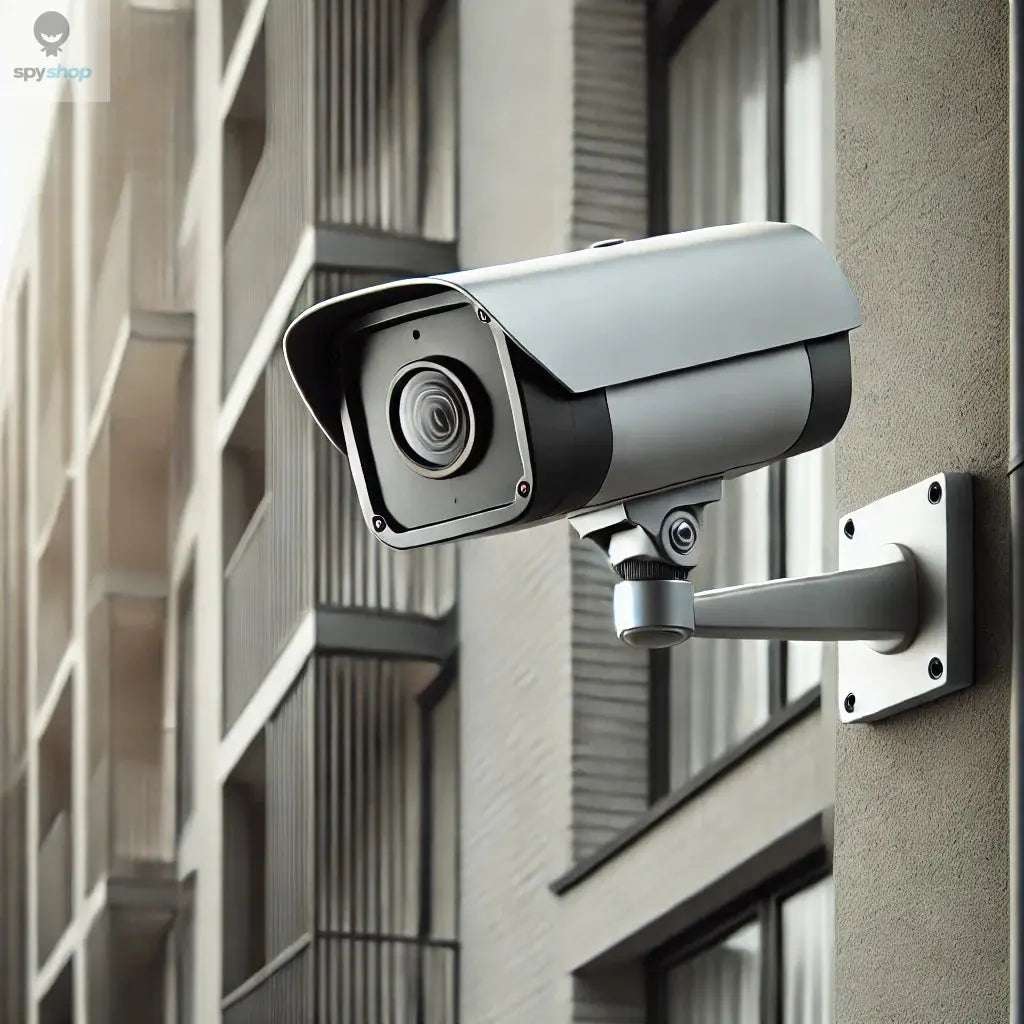
Outdoor camera placement determines what your recordings can show. Start with the area that needs coverage, then test the viewing angle, lighting and mounting position. Concealment should never come at the expense of a clear image, safe installation or appropriate privacy boundaries.
Compare outdoor security cameras for home.

Map the scene before choosing a mounting point
Mark the entrance, gate or storage area you need to review. Note where a person or vehicle is likely to move, what may block the view and what should stay outside the frame. Decide whether you need an overview or useful detail at a particular point. One wide view may not provide both.
Check relevant recording and notification requirements before mounting a camera. Limit coverage of neighbouring property and unrelated public areas. Physical concealment does not remove responsibilities to the people being recorded.
Test height and angle with saved clips
Use a safe temporary setup or an agreed installer-assisted test. Record a person walking through the target area at the expected distance. Review the saved clip for useful detail rather than judging the live preview alone. An overly steep angle may show the top of a head while missing the details you need.
Check the view with gates open, vehicles parked and normal objects in place. Confirm that a door, delivery or seasonal plant growth cannot block the important part of the scene.
Check backlight, night lighting and reflections
Review the image when the entrance is bright and the camera faces shade, and again under the expected night conditions. Look for glare from lamps, headlights, wet surfaces and reflective objects. If the model uses infrared illumination, test whether a nearby wall, cover or pane of glass reflects it back into the image.
Understand the limits of concealment
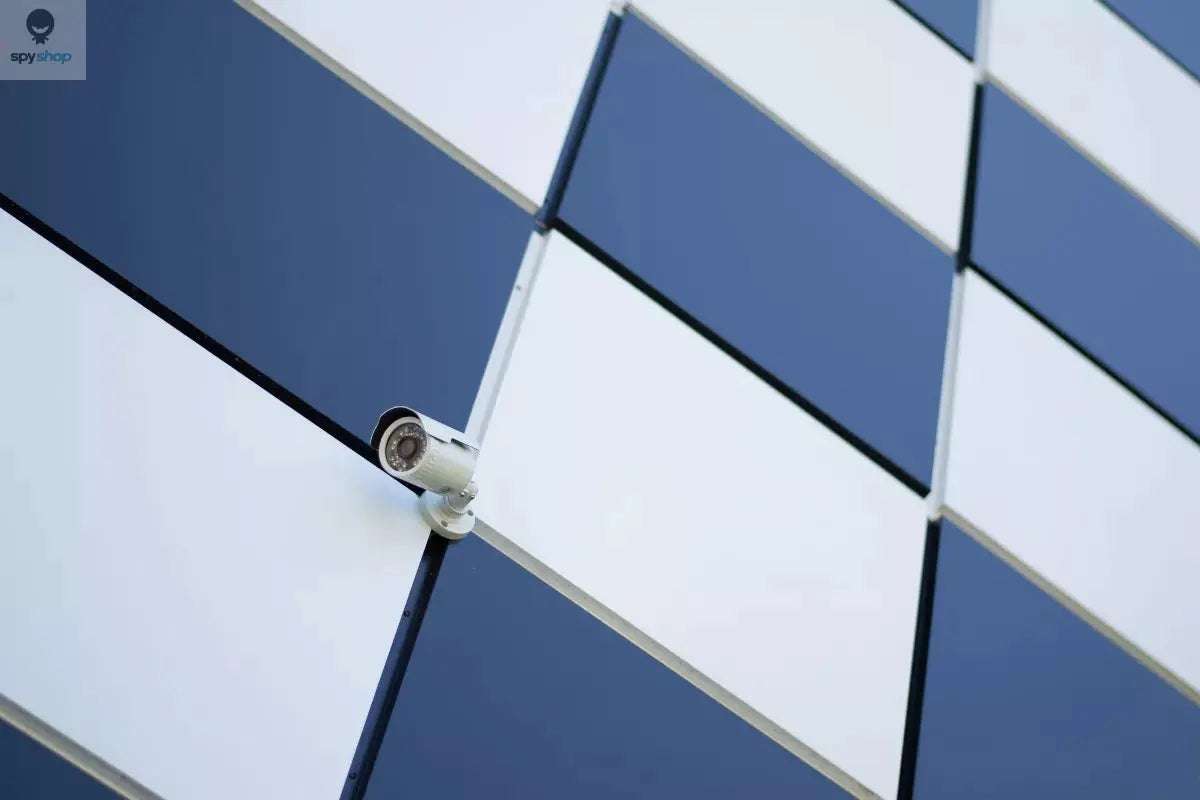
- Foliage can move, grow or create repeated motion events.
- A cover can obstruct the lens, illumination or microphone.
- An improvised enclosure may interfere with cooling or weather protection.
- A hidden position can make charging, cleaning and maintenance difficult.
Use only mounting and enclosure arrangements suitable for the camera. Do not alter safety equipment or use an unsafe access point just to make a camera less visible.
Route power and network connections safely
Follow the manufacturer's instructions for the mounting surface, fixings, cable entries and connector protection. Keep cables away from moving gates and sharp edges. Test wireless signal at the final location, not just beside the router. For work at height or changes to electrical wiring, use appropriately qualified help.
Complete a commissioning checklist
- Record a daytime and night-time walk-through with an agreed participant.
- Retrieve the saved footage and check event timing and useful detail.
- Confirm the date, time, storage destination and overwrite settings.
- Test the remote connection if it is part of the intended workflow.
- Schedule lens cleaning, view checks and a review after vegetation or lighting changes.
If the hardware still needs choosing, use the outdoor camera buying guide to compare weather protection, power and recording features first.

Written by PRIVATE D.O.O. Pecek