

Personal Security Technology: Work and Smart Homes
Hybrid work and connected home devices can change security needs, but broad claims about the “future of security” should not replace an assessment of the actual site, people and systems.

Work across locations
Agree who can enter workspaces, how access is revoked and how staff report incidents. Protect devices and accounts used remotely with supported software and approved access methods. Attendance monitoring is a separate privacy decision; flexible working does not automatically justify more surveillance.
Evaluate screening technology by evidence
Metal detectors identify certain metal objects within their design limits. There is no basis here for a general prediction that they are obsolete or easily bypassed. AI-assisted screening uses specific sensors and models and can produce false alarms or miss threats. Compare independent test conditions, throughput and operator procedures for the intended setting.
A screening system should not be assumed to disable radio jammers or “isolate electronic interference” without documented capability. Detection and radio interference are different functions. Do not infer permission to disrupt communications from a security use case.
Connected home systems
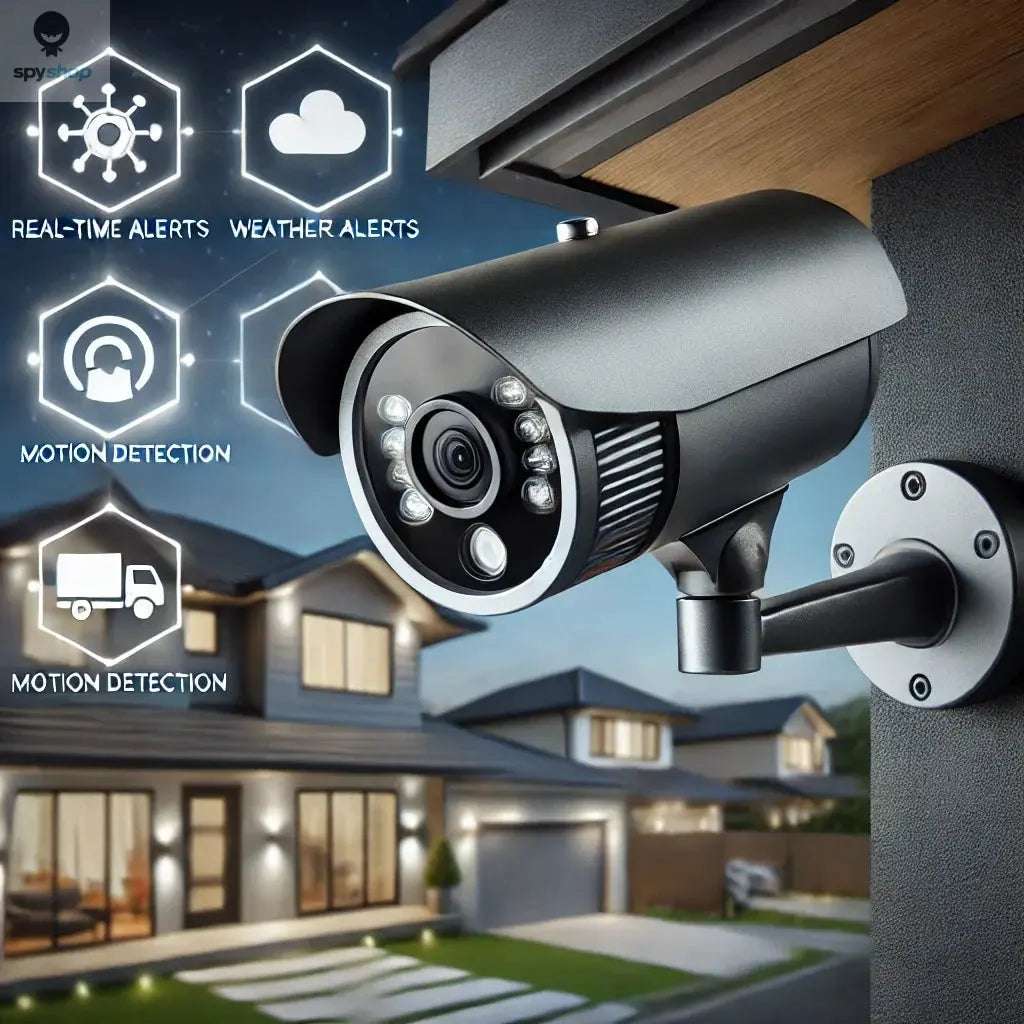
Cameras, sensors and smart locks may support monitoring and access control. Features depend on the exact product, integrations, connectivity and subscription. AI alerts require testing, and a phone notification does not ensure a timely response.
Plan for failure and privacy
Keep suitable manual access and outage procedures, secure accounts, install updates and restrict sharing. Minimise recording of unrelated people and define retention. A supported, well-maintained system chosen for a specific need is more useful than an unsupported prediction of automatic safety or universal integration.

Written by PRIVATE D.O.O. Pecek