Audio Recording Preservation: Originals, Copies and Handover
An important audio recording needs a handling plan after capture. Keep the original separate from listening, editing and sharing copies, and document where it came from. This guide covers practical preservation, not whether a recording was permitted or will be accepted as evidence.
Preserve what was actually recorded
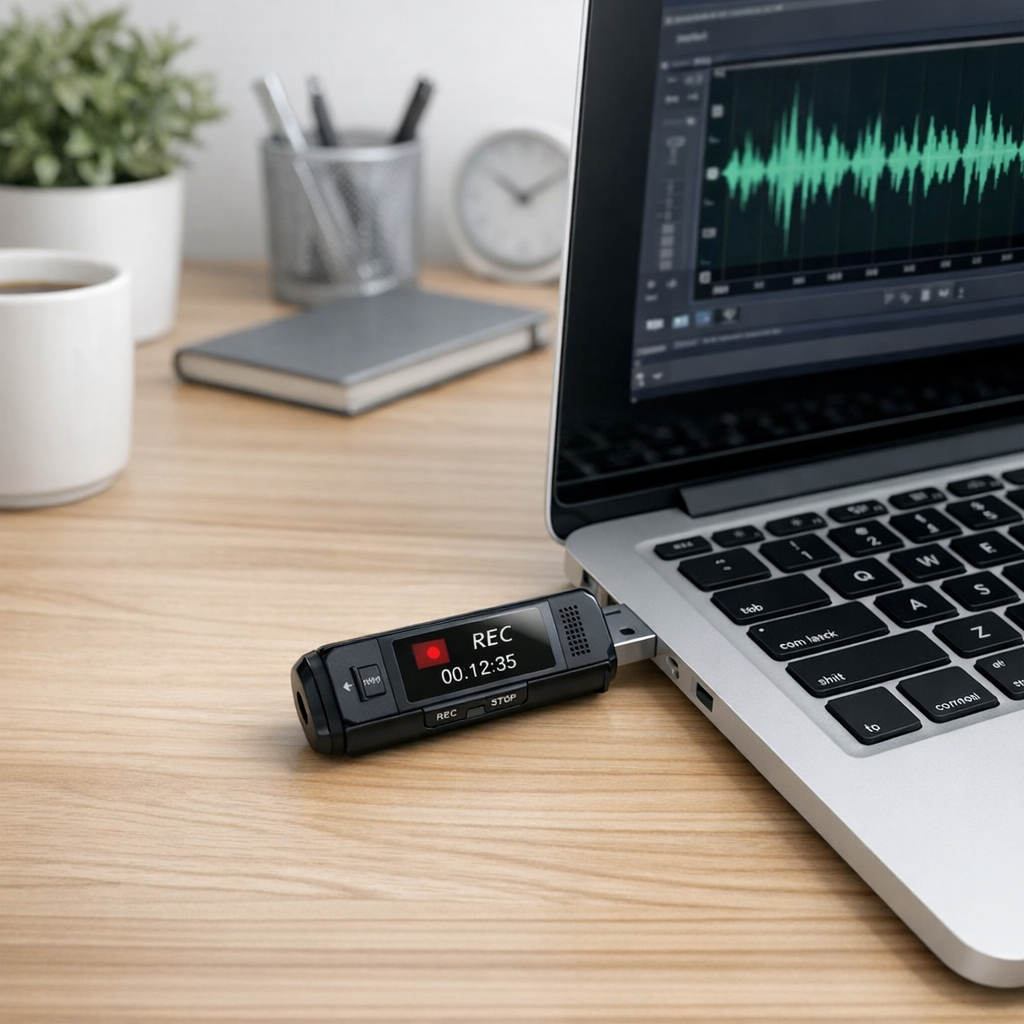
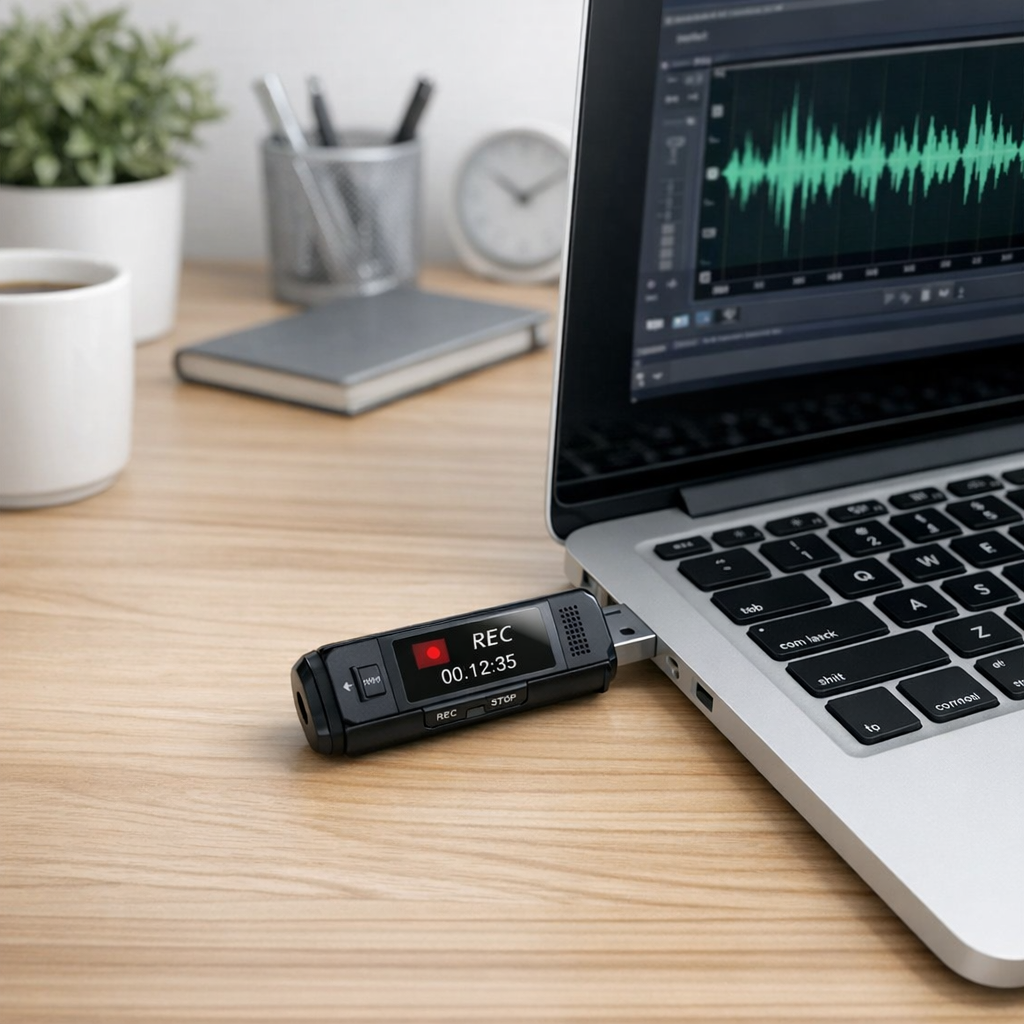
Identify the source device, original filenames and the available session information. Avoid renaming, converting or trimming the only copy. Note uncertainties such as an incorrect device clock or a known recording interruption rather than silently correcting the original.
NIST's digital evidence preservation guidance discusses documenting original sources and protecting digital objects. Where formal handling is required, use an appropriate specialist's process instead of treating an ordinary file copy as a complete forensic examination.
Use labelled working copies
Create the copies needed for playback or transcription while retaining a protected original. Label conversions, extracts and enhanced versions so they cannot be mistaken for the source recording. Keep notes explaining what changed. Processing that makes speech easier to hear does not restore audio that was never captured.
Document transfers and access
- Which files were transferred and from which device.
- Who performed the transfer and when.
- Where the protected copy is stored.
- Who can access it and which additional copies exist.
- Any playback, corruption or completeness issue discovered.
If a specialist uses cryptographic hashes, keep the verification records with the handling notes. Matching hashes can support a file-integrity check; they do not establish the truth of the conversation or permission to record it.
Respond carefully to missing or damaged files
If important audio may be missing, avoid overwriting the same storage with more recordings or formatting it as a troubleshooting step. Record what happened and seek suitable recovery or preservation advice. Do not present a partial clip as a complete uninterrupted session.
Prepare a controlled handover
Agree the recipient, required format and secure transfer method. Share only what is appropriate, keep the source and handling notes, and review the need for retained copies through the relevant process. Obtain qualified advice for disputes or investigations.
Permissions and purpose need to be resolved before capture; use the before-recording checklist for that separate stage.