
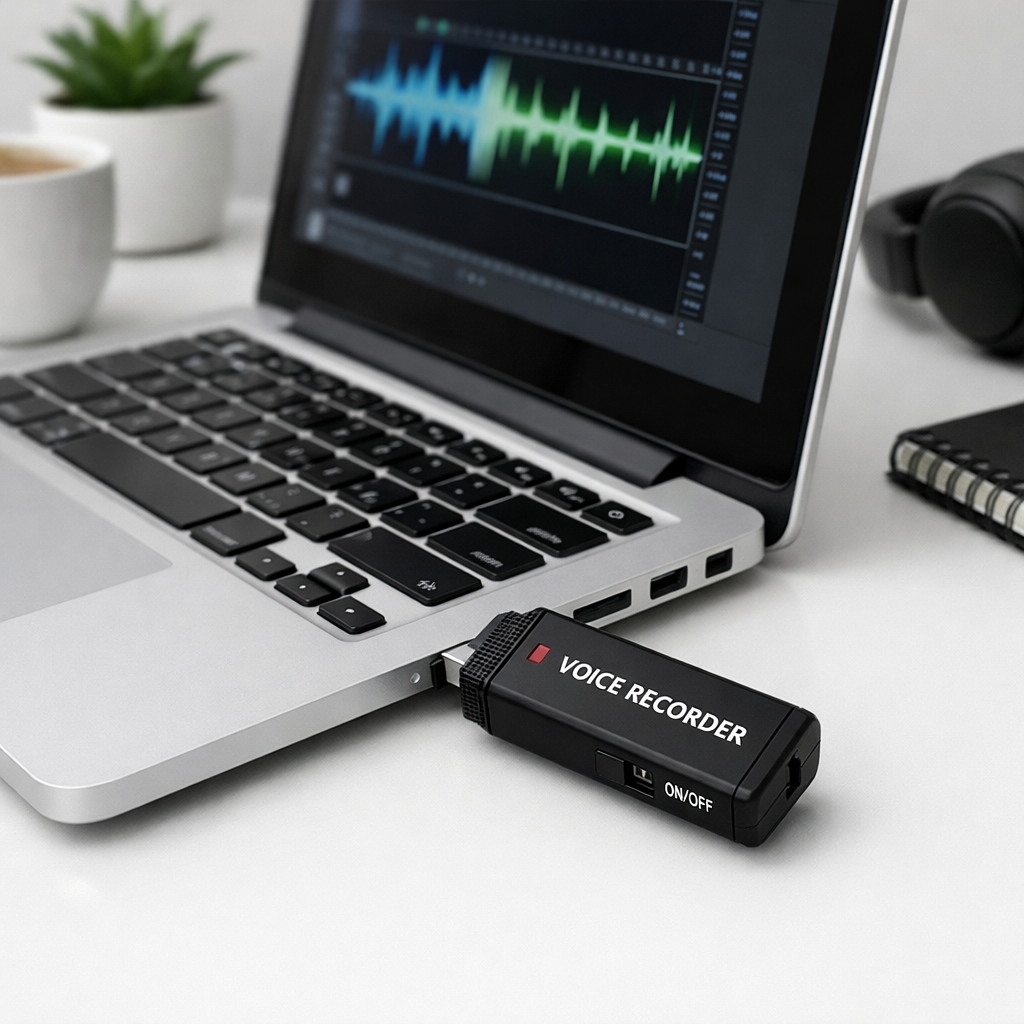
Voice recorders for legal evidence: why audio quality matters more than storage size
Choosing the right voice recorders for legally sensitive situations is not a matter of capacity alone; audio fidelity, metadata integrity, and chain-of-custody controls determine whether a recording will be admissible, intelligible, and compliant. This article examines concrete legal risks, scenarios, and decision logic for homeowners, small businesses, and professionals who rely on recorded audio for evidence, documentation, or compliance. It compares trade-offs between audio quality and storage size, shows common mistakes to avoid with voice activated recorder settings, and outlines evaluation criteria for selecting a digital voice recorder that meets US and EU legal expectations.
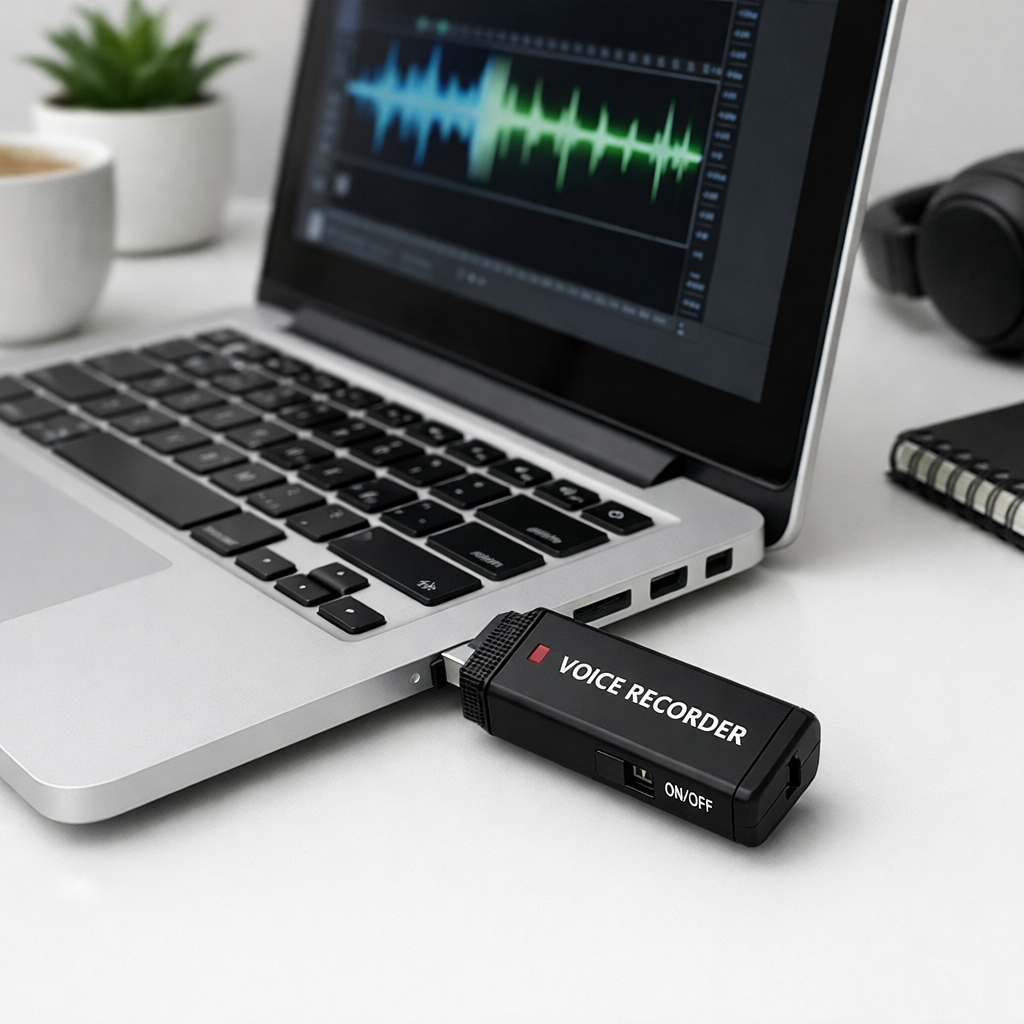
Why audio quality matters for voice recorders in legal settings
Courts and regulators evaluate recordings for clarity, authenticity, and context. A file with poor signal-to-noise ratio or heavy compression can render voices unintelligible or introduce artifacts that opposing parties challenge as tampering. For a recording to carry evidentiary weight, it must reliably convey the spoken content and preserve acoustic markers used in forensic analysis. That is why prioritizing audio quality in a voice recorder is often legally decisive, even when larger storage could hold more low-fidelity files. Read the complete Voice Recorders guide
Comparing audio quality and storage: legal pros and cons of each approach
When evaluating voice recorders, decision-makers repeatedly face two competing priorities: maximize storage to capture lengthy or numerous sessions, or optimize audio fidelity to preserve admissibility and intelligibility. The legal implications of each choice differ.
- High audio quality, limited storage: Pros — clearer speech, stronger baseline for forensic authentication, better transcription accuracy. Cons — fewer hours of continuous capture unless paired with overwrite policies or manual offload.
- Large storage, lower quality: Pros — longer continuous capture, lower need for frequent downloads. Cons — compression artifacts, reduced transcription accuracy, increased risk of excluded evidence if intelligibility is poor.
In many compliance scenarios a recording that cannot be transcribed or verified is functionally useless, so the legal benefit often favors quality over raw capacity.
Key technical criteria to evaluate voice recorders (buyer guide)
When selecting a digital voice recorder for legal or compliance use, assess units across technical dimensions that matter in court: codec and bitrate, microphone type, sample rate, timestamping, and write-once storage options. A voice activated recorder with aggressive compression may save space, but variable bitrate or lossy codecs complicate later forensic work. Look instead for devices offering uncompressed or high-bitrate WAV capture, selectable sample rates (44.1kHz or 48kHz preferred for clarity), and reliable real-time clocks for accurate timestamps.
Audio format and codec
Lossless or high-bitrate lossy formats preserve speech nuances used by transcribers and forensic analysts. Devices that default to heavy MP3 compression increase the risk of unintelligible passages and raise questions about editing.
Microphone and placement
Integrated microphone quality and placement influence signal-to-noise ratio. External mic inputs, directional microphones, and wind/noise filters matter in real-world settings; a high-quality microphone can make a shorter recording far more valuable legally than a long, quiet clip recorded at low fidelity.
Metadata, timestamps, and chain of custody
Reliable timestamps, embedded metadata, and export logs improve evidentiary integrity. Devices that allow write-once exports or produce tamper-evident files reduce disputes about alteration. Evaluate whether the recorder creates logs of file access or supports export via a secure method that preserves original file timestamps and checksums.
Use cases and decision logic: when to choose quality over capacity
Different users face distinct legal risks and therefore require different priorities.
- Homeowners documenting harassment or threats: Prioritize clear speech at short-to-moderate durations. A high-quality voice recorder with a sensitive microphone and timestamping is more likely to produce admissible evidence than a long-duration low-bitrate device.
- Small businesses recording meetings for compliance: For HR or regulatory records, prefer devices that produce clear minutes and retain metadata; regular archiving can offset limited on-device storage.
- Professionals collecting witness statements: Use a digital voice recorder with lossless capture and export controls; chain-of-custody features and hashed file verification improve courtroom credibility.
In each scenario, the logic is similar: if the recording must prove words or intent, audio quality and integrity features should dominate the specification checklist even at the expense of raw recording hours.
Practical examples and common mistakes
Example 1: A tenant records a dispute using a low-quality voice activated recorder set to highly compressed MP3 to save space. At hearing, several key statements are unintelligible; the judge excludes the recording’s contested portions. Lesson: compression can destroy critical speech elements.
Example 2: An office manager uses a quality digital voice recorder with WAV at 48kHz for a disciplinary interview. The recording includes clear timestamps and is exported with file integrity checks. The employer uses the file to support an internal decision and withstands external review. Lesson: integrity metadata matters.
Common mistakes include relying solely on maximum device runtime, neglecting microphone selection, disabling timestamps to conserve space, and failing to establish secure storage and export workflows. Each shortcut increases admissibility and authentication risk.
Legal and ethical considerations (high-level guidance for EU and US contexts)
Recording laws vary across jurisdictions and are pivotal to admissibility. In the United States, state-level consent rules determine whether single-party or all-party consent applies to recordings; certain states require notification or explicit consent. In the EU, privacy frameworks such as GDPR impose strict rules on personal data processing, including recorded audio. Even when a recording is legally obtained, data protection obligations — retention limits, access controls, and lawful processing bases — still apply. Browse Voice Recorders
From an ethical standpoint, document a lawful basis for recording, limit capture to what is necessary, and implement access controls. Avoid surreptitious recording where consent is required; when a recording is permitted, ensure secure storage and a documented retention policy. Use quality-focused settings not to hide information but to produce clear, verifiable records that reduce disputes about content or authenticity.
Selection checklist: how to choose a compliant recorder
- Confirm legal consent requirements for your jurisdiction before recording.
- Prefer devices that support high-bitrate WAV or lossless formats and selectable sample rates.
- Choose recorders with reliable real-time clocks and export logs for chain-of-custody.
- Consider external microphone options and physical placement to maximize clarity.
- Design an export and archival workflow that preserves original files and adds integrity checks (hashing).
- Implement retention and access policies consistent with privacy obligations.
For a deeper comparative analysis of professional and discreet models, consult our technical resource that examines capture formats and forensic considerations. Discreet solutions
Frequently Asked Questions
Q: Can a low-storage recorder be acceptable evidence if the audio is clear? A: Yes; admissibility hinges on clarity, authenticity, and lawful collection, so a short, clear recording is often preferable to a long, unreadable file.
Q: Are voice activated recorders risky for legal use? A: A voice activated recorder can be useful, but aggressive sensitivity and compression settings may chop or distort speech, undermining legal value.
Q: Should I prefer WAV over MP3 for legal recordings? A: Generally yes—WAV or other lossless formats retain fidelity needed for transcription and forensic review; high-bitrate MP3 is a compromise but less reliable.
Q: How long should I retain recorded files under privacy laws? A: Retention depends on purpose and jurisdiction; retain only as long as necessary and document your lawful basis. Implement deletion schedules aligned with legal obligations.
Q: Can metadata prove a recording is authentic? A: Metadata (timestamps, device logs) supports authentication but can be contested; use devices and export methods that preserve originals and generate verifiable logs.
Closing educational summary
Prioritizing audio quality over storage size when selecting voice recorders is a risk-managed decision for anyone relying on recorded speech as legal or compliance evidence. High-fidelity capture, proper microphones, secure export workflows, and attention to consent and retention turn recordings into reliable records rather than contested artifacts. Equip your processes with the technical and procedural safeguards described here to reduce legal exposure and increase the evidentiary value of recorded audio.


