Videovalve väikeettevõtjatele: õiguslikud eksiarvamused võrreldes
Paljud väikeettevõtjad investeerivad videovalvesse varguste vähendamiseks, tegevuste jälgimiseks või juhtumite dokumenteerimiseks, kuid arusaamatused seaduslikkuse ja nõuetele vastavuse osas põhjustavad sageli halbu valikuid. See artikkel võrdleb levinud juriidilisi pimedatähte, selgitab, kuidas erinevad kaameratüübid ja paigaldusstsenaariumid muudavad riski, ning pakub praktilist otsustusloogikat vastavussüsteemide valimiseks ilma turvalisust ohverdamata.
Miks ettevõtjad ei mõista videovalve seaduslikkust
Segadus tuleneb kolmest kokkupuutuvast faktist: tehnoloogia areneb kiiremini kui regulatsioonid, riigi- ja riiklikud seadused erinevad ning termin "järelevalve" hõlmab paljusid tegevusi – passiivsest välisalvestusest kuni biomeetrilise analüüsini. Omanikud segavad sageli tehniliselt võimalikku ja seaduslikku. Kaamera, mis suudab salvestada heli või nägusid analüütikaks, seab erinevad kohustused kui lihtne fikseeritud kaamera, mis on suunatud poe sissepääsu poole. Enne seadme valimist peavad otsustajad kaaluma privaatsuse ootusi, teavituskohustusi ja säilitamiskohustusi konkreetses keskkonnas, kus süsteemi kasutatakse.
Videovalve stsenaariumite võrdlus: töötajad, kliendid ja avalikud alad
Kõik järelevalve olukorrad ei kanna võrdset juriidilist riski. Võrrelge kolme peamist stsenaariumi, et näha, kus tavaliselt eksitakse.
Töötajad: tagaruumid, puhkealad ja töökohad
Töötajate salvestamine tõstatab töökoha privaatsuse ja tööõiguse küsimusi. Paljudes jurisdiktsioonides on turvalisuse või töösoorituse jälgimine lubatud, kuid kaamerad on keelatud privaatsetes ruumides nagu tualetid või riietusruumid. Avalikes töötajate alades (müügipind, laoala) vähendavad sildid ja kirjalikud reeglid sageli kaebusi, kuid varjatud kaamerad või pidev jälgimine ilma õigustatud ärilistel põhjustel võivad viia kohtuvaidluste või järelevalve alla. Distsiplinaarmeetmete puhul säilitage selge dokumentatsioon ärilistel põhjustel ja juurdepääsupiirangutest.
Kliendid: müügipind ja teeninduslauad
Kliendid ootavad üldiselt avalikes äripindades vähem privaatsust, kuid nõusoleku ja teavitamise ootused on siiski olulised. Nähtavad kaamerad ja salvestamist selgitavad sildid aitavad paljudes piirkondades täita teavituskohustusi. Kuid näotuvastuse lisamine või video sidumine kliendilojaalsuse andmetega suurendab juriidilist keerukust ning võib olla piiratud või nõuda selgesõnalist nõusolekut.
Avalikud ja piirialad
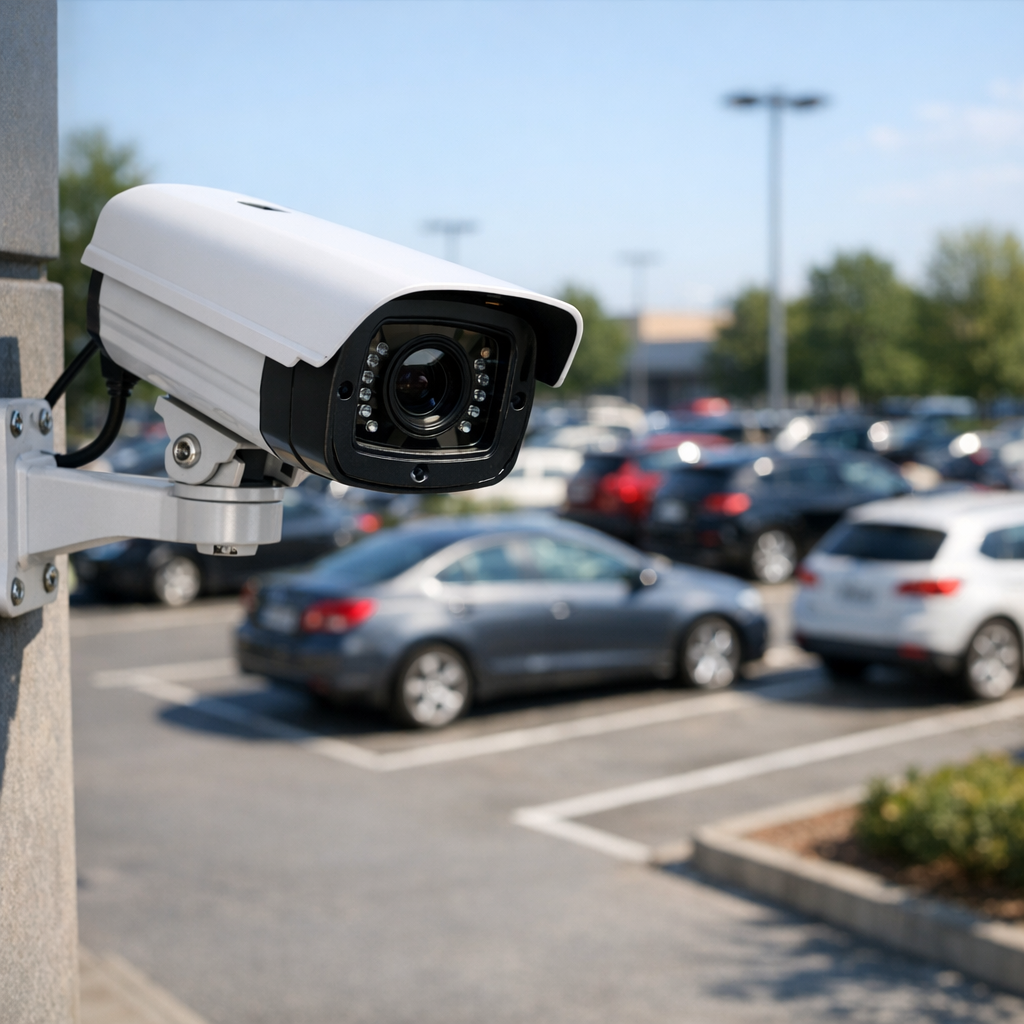
Kaamerad, mis on suunatud avalikele kõnniteedele, parkimisaladele või naaberkinnistutele, võivad tekitada sissetungimise ja tüli küsimusi. Isegi kui välisalvestus on lubatud, võib kaamerate suunamine eraakendele või naabri aeda põhjustada nõudeid. Kasutage vaatevälja reguleerimist ja paigutust, mis minimeerib juhusliku eraalade jäädvustamise, ning dokumenteerige oma paigutusotsused.
Tehnilised võrdlused, mis muudavad videovalve õiguslikku riski
Kõik kaamerad ei ole vastavuse seisukohalt võrdsed. Arvesta kolme tehnilise mõõtmega, mis sageli muudavad kohustusi: helivõimekus, analüütika ja andmete salvestamine.
- Helisalvestus: Paljudes USA osariikides kehtivad helisalvestusele rangemad nõusoleku reeglid kui ainult videole. Mikrofoniga kaamera võib muuta madala riskiga kasutuse nõudlikumaks, vajades selgesõnalist nõusolekut või olles allutatud pealtkuulamisseadustele.
- Analüütika ja biomeetriline töötlemine: Näodetuvastus, vanuse/sugupoolte tuvastamine või käitumisanalüütika tekitavad mitmes jurisdiktsioonis kõrgemat regulatiivset järelevalvet. Need funktsioonid võivad käivitada eritingimused andmekaitse osas, mõjutada seaduslikku töötlemise alust ja nõuda põhjalikumaid DPIA-laadseid hinnanguid.
- Pilve- vs kohalik salvestus: Pilvesalvestus toob kaasa andmete piiriüleste ülekannete, müüja turvalisuse ja andmetele juurdepääsu kaalutlused. Kohalik salvestus piirab müüja kokkupuudet, kuid nõuab salvestiste kaitsmiseks füüsilisi ja küberjulgeoleku investeeringuid.
Süsteemivalikute võrdlemisel dokumenteeri iga tehnilise valiku õiguslik mõju. Näiteks lihtsal IP-kaameral, millel on kohalik salvestus ja puudub heli, on erinev vastavusprofiil võrreldes pilvepõhise kaameraga, millel on analüütika ja mikrofon.
Ostja juhend: hindamiskriteeriumid ja valiku loogika
Kasuta otsustusmatriisi, mis hindab õiguslikku riski, ärivajadust ja kulusid. Peamised kriteeriumid on:
- Eesmärgi piiramine: Kas kaamera on vajalik konkreetseks, dokumenteeritud ärieesmärgiks?
- Privaatsuse mõju: Kas vaateväli väldib privaatseid alasid või ei hõlma biomeetrilisi identifikaatoreid?
- Teavitamise ja nõusoleku võimalikkus: Kas saad paigaldada silte, teavitada töötajaid või saada nõusolekut, kus see on nõutud?
- Säilituspoliitika: Kui kaua salvestist hoitakse ja kas see aeg on õigustatud?
- Juurdepääsu kontroll ja auditeeritavus: Kes saab salvestist vaadata ja kuidas on juurdepääs logitud?
Nende kriteeriumide dokumenteerimine vähendab subjektiivseid otsuseid ja annab kaitstava põhjenduse, kui kaamera salvestiste kasutamine seatakse kahtluse alla. Tehnilise hankega seoses kooskõlasta funktsioonide valik õigusliku riski minimeerimiseks – loobu helisalvestusest, keela analüütika, kui see pole vajalik, ning vali salvestusvõimalused, mis vastavad sinu jurisdiktsiooni nõuetele. Kui vajad võrdlevaid tooteloendeid kaameratüüpide ja konfiguratsioonide kohta, vaata usaldusväärseid kategooriaressursse mudeli võimekuse ja vastavuse omaduste kohta Sirvi videovalve kaameraid.
Praktilised näited ja tavalised vead
Reaalsed stsenaariumid selgitavad, kuidas arusaamatused avalduvad:
- Näide 1 — Varjatud kaamera puhkeruumis: Omanik paigaldab varjatud kaamera varguse tabamiseks, kuid see salvestab töötajate vestlusi privaatsetes puhkeruumides. Tulemus: töökoha privaatsuskaebus ja võimalikud seadusest tulenevad karistused.
- Näide 2 — Heliga uksekella kaamera: Pood ühendab heliga uksekella pilvesalvestusega ilma töötajaid teavitamata. Tulemus: osariigi pealtkuulamisseadused võivad kehtida; tõendid võidakse välistada ja määrata trahve.
- Näide 3 — Analüütika kasutamine profiliseerimiseks: Pood lisab näotuvastuse korduvate varaste märgistamiseks. Tulemus: profiliseerimine aktiveerib andmekaitse reeglid ja võib nõuda andmekaitse hindamist või keelustamist sõltuvalt piirkonnast.
- Näide 4 — Liigne säilitamine pärast intsidenti: Varastamise lahendamise järel hoitakse salvestist lõputult. Tulemus: ebavajalik säilitamine tekitab privaatsusprobleeme ja võib rikkuda andmete minimeerimise põhimõtteid.
- Näide 5 — Kaamerad, mis salvestavad naaberkinnistut: Parkla kaamera salvestab kogemata naabri aiaga piiratud tagaaeda. Tulemus: tsiviilprivaatsuse nõue ja kohustus muuta kaamera suunda või varjata vaadet.
Tavalised vead on eeldada, et "heli puudumine" tähendab puuduvad juriidilised kohustused, ärilise eesmärgi ebapiisav dokumenteerimine, säilitustähtaja muutmata jätmine pärast intsidenti ning funktsiooniderohkete süsteemide ostmine ilma kõrgema riskiga funktsioonide keelamiseta. Paigaldusmallide ja kontrollnimekirja stiilis planeerimise jaoks vaata paigalduse ja vastavuse planeerimise ressursse, et tehniline seadistus vastaks poliitikale Diskreetsed lahendused.
Õiguslikud ja eetilised kaalutlused (EL ja USA ülevaade, mitte juriidiline nõuanne)
See jaotis annab ülevaatelisi eristusi otsuste tegemiseks; see ei ole juriidiline nõuanne.
Ameerika Ühendriigid (ülevaade)
USA reeglid ühendavad föderaalse ja osariigi õiguse. Föderaalsed seadused käsitlevad harva tavalist videokaameraga salvestamist; osariigi seadused reguleerivad sageli helisalvestust, töötajate jälgimist ja biomeetriliste identifikaatorite kasutamist. Mõistlik privaatsuse ootuse test: vältida kaamerate paigutamist kohtadesse, kus inimesed ootavad privaatsust. Dokumenteerida teavitused ja poliitikameetmed riskide vähendamiseks.
Euroopa Liit (ülevaade)
EL käsitleb videovalve salvestisi isikuandmetena GDPR-i alusel, kui isikud on tuvastatavad. See seab kohustused seadusliku aluse, andmete minimeerimise, läbipaistvuse, kõrge riskiga töötlemise mõjuhinnangute (nt biomeetriline analüüs) ja rangemate säilituskontrollide osas. Avalik huvi või õigustatud äriline huvi võib mõnikord salvestamist õigustada, kuid dokumentatsioon ja mõjuhinnangud on kriitilise tähtsusega.
Eetiliselt rakendage mõlemas piirkonnas proportsionaalsust: piirake pilte vaid vajalikuga, eelistage anonümiseerimist või maskimist, kus võimalik, ja piirake juurdepääsu väärkasutuse minimeerimiseks. Rakendage rollipõhist juurdepääsu, säilituskontrolle ja intsidentide logimist, et näidata vastutustundlikku haldust.
Korduma kippuvad küsimused
K: Kas võin oma turvakaameratega heli salvestada?
V: Helisalvestus on paljudes jurisdiktsioonides rangemalt reguleeritud kui video; mikrofonid lülitage sisse alles pärast nõusoleku nõuete kinnitamist ja ärilise vajaduse dokumenteerimist.
K: Kas pean videovalve olemasolul paigaldama märgid?
V: Nähtav märgistamine on tavaline juriidiline ootuse, mis annab teavituse; see vähendab vaidlusi, teavitades kliente, töötajaid ja külastajaid salvestamise toimumisest.
K: Kas näotuvastus on seaduslik varguse ennetamiseks?
V: Näotuvastus suurendab juriidilist riski ja mõnes piirkonnas kehtivad selle kasutamisele selged keelud või nõuded mõjuhinnangute tegemiseks; kasuta seda ettevaatlikult ja koos juriidilise ülevaatega.
K: Kui kaua peaksin salvestisi säilitama?
V: Salvestusaeg peaks piirduma dokumenteeritud eesmärgi saavutamiseks vajaliku perioodiga—tavaliselt 14–90 päeva rutiinse turvalisuse puhul—pikem ainult siis, kui seda õigustavad intsidentide uurimised või juriidilised nõuded.
K: Mis juhtub, kui minu kaamera jäädvustab naaberkinnistut?
V: Kohanda kaamera nurka, kasuta maskimist või piira vaatevälja; dokumenteeri muudatus ja vajadusel teavita mõjutatud osapooli, et vältida nõudeid.
Hariduslik lõpetus
Tõhus ja seaduslik videovalve tasakaalustab turvavajadused privaatsuskohustustega. Omanikud peaksid enne kaamerate soetamist ja paigaldamist võrdlema stsenaariume, tehnoloogilisi võimalusi ja jurisdiktsioonireegleid. Koostage kirjalikud poliitikad, tehke kõrgema riskiga funktsioonide puhul põhilised mõjuhinnangud ning dokumenteerige tehnilised ja organisatsioonilised kontrollid. Süsteemi võimekuse ja parimate tavade põhjalikuks lugemiseks nii kodu- kui ärikeskkonnas vaadake tunnustatud põhiallikat videovalve kohta, et tehnilised valikud vastaksid juriidilistele ootustele Loe täielikku videovalve juhendit Hoolikas planeerimine vähendab juriidilisi üllatusi ja viib süsteemideni, mis kaitsevad vara ning austavad samal ajal üksikisikute õigusi.