Straipsnis: gps trackers for vehicles and assets: when magnetic trackers make sense
gps trackers for vehicles and assets: when magnetic trackers make sense
Choosing the right gps trackers for a homeowner, small business, or field professional requires matching technology to a specific, temporary tracking scenario. Magnetic gps tracker devices and compact portable tracker options can be attractive because they are fast to deploy and avoid permanent wiring, but their operational characteristics, detection risk, and legal boundaries differ sharply from hardwired or subscription-based systems.
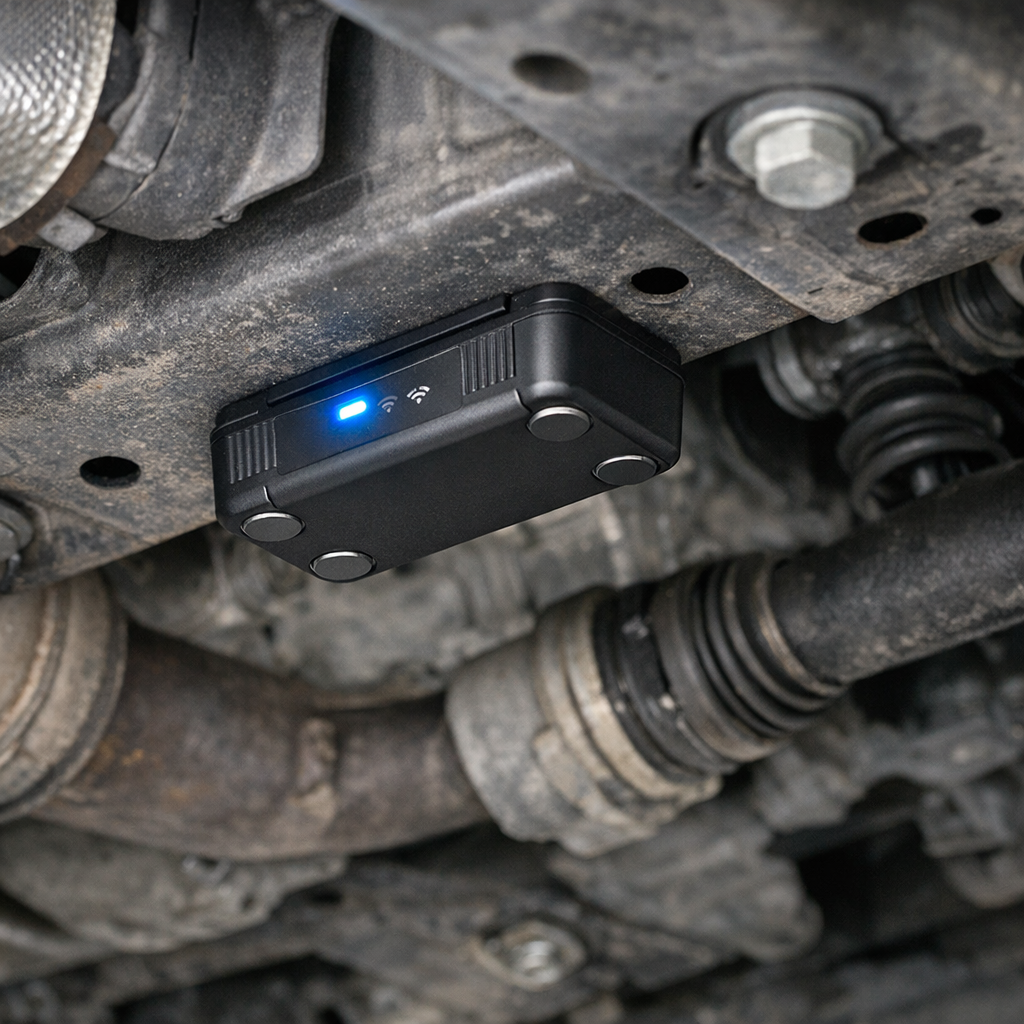
When gps trackers with magnets make tactical sense
Magnetic gps tracker units excel in short-term, reversible deployments where you need to monitor a moving asset without altering it. Common, lawful examples include locating a stolen trailer after obtaining a police report; monitoring a company-owned contractor vehicle with informed consent; tracking seasonal equipment moved across a large site; or a homeowner tracking a personal boat left on a trailer. These scenarios share two features: the tracker is attached temporarily and the operator has a legitimate interest in the asset.
Operational strengths of magnetic units are clear: quick installation on metal surfaces, no need to access the vehicle interior, and the ability to reposition the device. For investigators and loss-prevention teams a magnetic unit can be an efficient tool when speed and removal are priorities. In many of these situations a portable tracker with an internal battery offers the required autonomy for days or weeks without hardwiring, reducing installation time and preserving the asset’s condition. Read the complete GPS Trackers guide
Limits of gps trackers: scenarios where magnetic trackers fail
Not every tracking need fits a magnetic tracker. If you require continuous, long-term monitoring with minimal maintenance, hardwired gps trackers tied to a vehicle’s power are usually superior. Magnetic devices are vulnerable to physical detection and removal, battery depletion, signal interference, and placement constraints where non-magnetic surfaces or protective enclosures block satellite reception. Urban canyons and underground parking also degrade GPS accuracy, which matters when geofencing or precise arrival/departure times are required.
Other failure modes include tampering by informed drivers, magnetic shedding from rough roads, or complete loss when a device is placed on a detachable trailer that is separated from the monitored fleet. A portable tracker may solve some of these by being hidden in cargo, but concealment increases legal risk if used without authorization.
Comparison: magnetic gps tracker vs portable tracker vs hardwired options
Selecting a device requires a structured comparison across the following dimensions: deployment time, detection risk, runtime, reporting frequency, durability, and compliance risk. Below is a concise pros/cons comparison to align technological trade-offs with legal and operational needs.
- Magnetic gps tracker — Pros: fast attach/detach, minimal vehicle access, ideal for temporary asset recovery. Cons: exposed to removal, limited battery life, detection risk, not ideal for permanent fleet management.
- Portable tracker (battery-powered) — Pros: covert placement options, flexible movement between assets, no vehicle wiring. Cons: requires periodic charging, may be illegal if used without consent, variable signal depending on placement.
- Hardwired tracker — Pros: continuous power and reporting, tamper detection options, suited for long-term compliance and fleet management. Cons: professional installation required, harder to transfer between assets, visible wiring could breach aesthetics or privacy expectations.
When the objective is temporary surveillance with minimal footprint, magnetic or portable trackers are often the right tactical choice. When regulatory compliance, audit trails, or uninterrupted tracking are priorities, hardwired solutions are preferable. For further technical differences in real-time tracking approaches, consult a detailed primer on persistent versus temporary techniques. Discreet solutions
Use-case decision logic and buyer guide for short-term tracking
Make decisions with a simple logic flow: define legal authority → estimate required uptime → assess detection and tamper risk → choose reporting interval → validate environmental constraints. Start by documenting who owns the asset, whether consent is documented, and whether local laws allow the intended monitoring. Next, specify how long the tracker must operate between charges and whether you need live updates or periodic pings. Low-frequency updates conserve battery but hamper real-time recovery.
Key selection criteria:
- Battery life vs. reporting frequency: choose devices with configurable reporting to extend battery when checks are infrequent.
- Mounting surface: magnets need ferrous surfaces; if none exist, a portable tracker with adhesive or concealed placement is better.
- Tamper alerts and motion detection: models with tamper and movement notifications can reduce dwell time when a device is interfered with.
- Cellular coverage and fallback: select trackers with multi-network SIMs or fallback reporting to increase coverage in patchy service areas.
- Auditability: if use will be reviewed for compliance, choose hardware that logs attachments, removals, and power events.
Practical procurement mistakes to avoid: buying devices with insufficient battery for the intended deployment period; ignoring magnetic strength specifications; choosing a casing that floods easily in marine environments; and neglecting firmware update support. Also, treat subscription and SIM plans as ongoing costs when comparing unit prices. Browse GPS Trackers
Practical examples and common mistakes
Example 1 — Stolen trailer recovery: A small landscaping company attaches a magnetic gps tracker to a trailer after it is stolen. Benefit: quick attach and police-coordinated recovery. Mistake to avoid: placing a visible tracker on the trailer tongue where thieves can spot and remove it; instead, secure it under the trailer frame and enable frequent pings during the initial 48 hours.
Example 2 — Temporary contractor vehicle oversight: A business wants to ensure company tools stay on site. Benefit: a portable tracker can be moved between vehicles legally owned by the business. Mistake: failing to document consent or company policy, creating internal privacy disputes. Ensure transparent policies and signed acknowledgment for employees.
Example 3 — Asset staging at an event: Event organizers tracking rental generators and AV equipment can use magnetic trackers to prevent loss during transport. Mistake: assuming all storage locations have GPS reception; choose units with good cellular fallback and configure lower reporting intervals when equipment is stationary indoors.
Legal & ethical considerations (EU/US high-level, non-legal advice)
Legal frameworks differ by jurisdiction. In the US, consent and ownership are central: tracking your own property is typically lawful, but tracking an employee’s personal vehicle or a person without consent can violate wiretapping, stalking, or privacy statutes. In the EU, data protection laws like the GDPR create additional obligations when tracking produces personal data — this can require a legal basis, data minimization, retention limits, and clear transparency if individuals are identifiable.
Operational compliance steps:
- Document ownership and lawful basis for tracking; get written consent when practicable.
- Minimize data collection and retention: configure devices to collect only what you need and purge logs after the legal retention window.
- Use tamper logs and access controls to ensure chain-of-custody if data may be used in law enforcement or disciplinary actions.
- When in doubt, consult counsel—especially for cross-border operations or employment monitoring programs.
Frequently Asked Questions
Q1: Can I legally place a magnetic gps tracker on a vehicle I own?
A1: Generally yes for your property, but if the vehicle is used by others (employees, renters), notify them and document consent where required by law or policy.
Q2: How long will a typical magnetic gps tracker battery last?
A2: Battery life depends on reporting frequency; conservative settings with hourly pings can last weeks, while frequent real-time updates may drain batteries in days.
Q3: Will a magnetic tracker work on non-metallic surfaces?
A3: No; magnets require ferrous surfaces. For non-metal assets use adhesive mounts, concealed compartments, or a portable tracker designed for non-magnetic placement.
Q4: How detectable are magnetic trackers to technicians or thieves?
A4: Detectability depends on placement and visibility. Concealed placements reduce casual discovery, but professional sweeps or thorough inspections can find devices; consider tamper alerts and redundant placement strategies when risk is high.
Q5: What steps reduce legal risk when tracking employees or contractors?
A5: Establish a written policy, obtain informed consent, limit tracking to work-related hours and assets, and store/location data securely with limited access and retention controls.
Educational closing
Temporary tracking with magnetic gps tracker units or portable tracker devices can be an effective component of asset protection and incident response when deployed with clear operational intent and legal awareness. Choose devices based on deployment duration, detection risk, and reporting needs; document authority and consent; and configure logging and retention to support accountability. Thoughtful selection and policy alignment will help ensure temporary tracking serves legitimate recovery and management goals without creating undue privacy or compliance exposures.