gps trackers for long-term monitoring: selecting devices for fleets, rentals, and hidden assets
Choosing gps trackers for long-term monitoring requires a clear assessment of device endurance, data policies, and legal boundaries; this article explains how to evaluate hardware and services for continuous vehicle and asset oversight. Read the complete GPS Trackers guide
gps trackers: comparison criteria for long-term monitoring
Long-term monitoring changes the prioritization of features compared with short-term use. Rather than only looking at form factor or purchase price, prioritize battery life, network options, data retention and concealment resilience. For vehicle gps tracking and asset tracking used months or years between maintenance windows, battery and connectivity are the most common failure points. Assess expected reporting intervals: devices that transmit frequently consume more power; those that store and forward can extend battery life but increase data latency and risk of missed real time gps updates.
Battery life and power strategy
For monitoring measured in months or years, estimate average daily transmissions and choose devices with power budgets that match. Hardwired units bypass battery limits but require professional installation and create different legal questions for leased vehicles. Replaceable batteries are convenient but increase maintenance cycles. Rechargeable units with solar tops are viable for outdoor, exposed assets such as construction equipment.
Connectivity: cellular, satellite, and hybrid
Cellular networks are the default for vehicle gps tracking due to cost and availability; however, remote assets may require satellite or hybrid devices. Check carrier support and roaming agreements where assets cross borders. Real time gps capability depends on how often a device can push a location; providers that support low-power wide-area networks (LPWAN) may be economical for sparse reporting but inadequate when you need continuous location streaming.
Hardware durability and mounting options
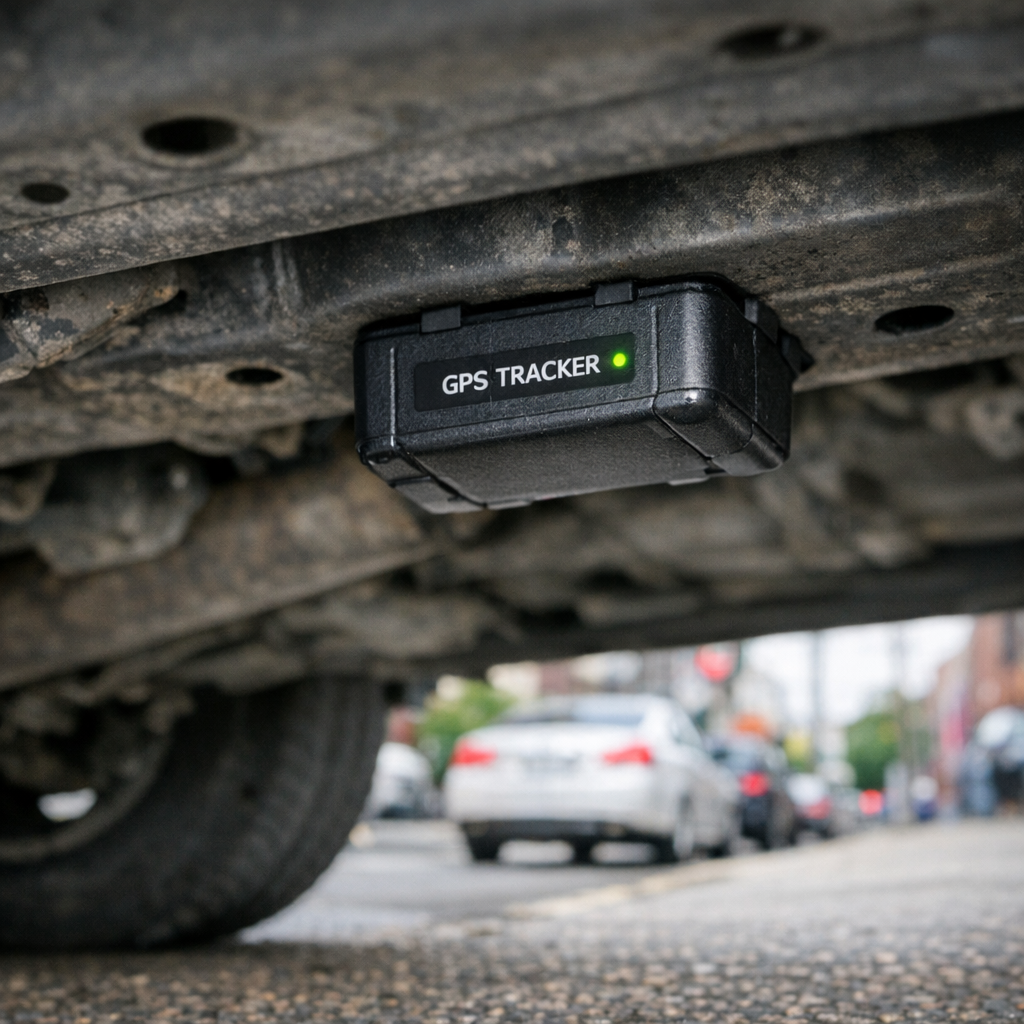
Consider enclosure rating, operating temperature, and tamper resistance. Permanent mounts under chassis or within hard-to-access compartments suit long-term fleet monitoring but should be chosen with clear knowledge of vehicle service schedules. Magnetic or adhesive mounts ease relocation but risk detachment or detection during long deployments.
Data model and platform features
Evaluate how data is stored, how long historical tracks remain available, and whether you can export raw logs for compliance audits. For long-term oversight, an open export format and robust archival policy avoid vendor lock-in. If you need real time gps for alerts and geofencing, confirm the platform supports push notifications and configurable thresholds without excessive monthly costs.
Use cases and decision logic for long-term deployments
Decisions depend on the monitored object, accessibility, and acceptable maintenance cadence. Fleet managers, rental operators, and property owners have different trade-offs between stealth, maintenance, and legal risk. A delivery fleet focused on route optimization prioritizes frequent telemetry and integrated telematics; a rental company must track location and tamper events while preserving customer privacy lawfully. Browse GPS Trackers
Fleet vehicles (daily operation)
For vehicles in constant use, choose hardwired or externally powered units with CAN-bus integration, driver ID, and frequent reporting. Prioritize devices with diagnostics so you can detect power loss or antenna issues remotely. Vehicle gps tracking for compliance with safety regulations often requires documented installation and predictable maintenance windows.
Long-term rentals and shared equipment
Rental operators need a balance of concealment and customer transparency. Disclose tracking where required by contract and law; select devices that provide geofencing and tamper alerts while minimizing intrusive continuous monitoring when not necessary. For periodic audits, devices with robust historical tracks and exportable logs make record-keeping simpler.
Hidden asset tracking (trailers, containers, high-value tools)
Assets stored offsite or moved infrequently benefit from low-power trackers with periodic check-ins. For assets that may be out of cellular range, hybrid units with satellite fallback can prevent coverage gaps. When continuous real time gps is unnecessary, program longer sleep intervals and event-based wake-ups (movement or vibration) to conserve battery life.
Buyer guide: evaluation criteria, pricing models, and common selection mistakes
Buyers often conflate headline specifications with real-world performance. Compare manufacturer claims against independent reviews and technical datasheets. Key evaluation criteria include lifecycle cost (device plus subscription), firmware update policy, warranty and repair process, and whether the vendor supports bulk management for many devices.
Subscription models and total cost of ownership
Some vendors advertise low device prices but high monthly fees for features such as real time gps or historical export. Model the five-year cost including expected replacements, SIM data, and platform fees to avoid surprises. Check whether the vendor offers discounts for multi-year commitments or pooled data plans for fleets.
Firmware updates and security maintenance
Long-term deployments must receive security updates. Confirm update delivery mechanisms (OTA), whether they require physical access, and whether updates can be scheduled to avoid interrupting operations. Devices with poor update practices become long-term liabilities.
Common mistakes to avoid
- Ignoring data retention limits: failing to verify how long location history is retained can complicate investigations.
- Underestimating maintenance access: choosing sealed units that require service at inconvenient times increases downtime.
- Buying for price alone: cheaper devices may lack tamper detection, certified radios, or robust enclosures.
- Neglecting compliance: installing trackers without contractual disclosure or lawful basis exposes organizations to fines and reputational harm.
Practical examples and common deployment mistakes
Example 1 — A midsize delivery company switched to devices claiming 5-year battery life; after six months, intermittent cell registration dropped many devices offline. Investigation revealed poor antenna placement and no carrier fallback. The lesson: validate connectivity under typical operating conditions and insist on return/repair policies.
Example 2 — A construction firm used low-cost asset tracking tags on excavators. When trailers moved offsite, the tags entered low-power mode and failed to transmit for days, making recovery impossible. For mobile heavy equipment, prefer motion-triggered wake and satellite-capable units if operations cross coverage boundaries.
Example 3 — A rental operator installed concealed trackers without explicit customer disclosure. A complaint led to regulatory review; the operator resolved the issue by updating contracts, enabling opt-in tracking when customers requested added protection, and switching to a platform that allowed event-based, not continuous, tracking.
gps trackers: legal and ethical considerations
Legal frameworks differ substantially between jurisdictions. In the United States, federal statutes, state privacy laws and common carrier regulations influence how and when you can deploy trackers on vehicles and property. Many states require consent or notification if personal information of another person is collected. In the European Union, the GDPR applies when personal data is processed; controllers must establish lawful basis (contractual necessity, legitimate interest with balancing test, or consent) and provide transparent privacy notices. Discreet solutions
Key compliance steps for organizations
Conduct a privacy impact assessment before wide deployment. Limit data collection to what you need, implement retention schedules, and document legal justification in internal policies. Train staff on when to enable tracking and how to handle access requests. Employ role-based access and audit logs to demonstrate accountability.
Ethical boundaries and employee relations
Even when lawful, continuous covert tracking of employees risks undermining trust. Balance operational needs with transparency: where possible, disclose monitoring policies, allow for limited personal use periods, and minimize continuous location polling outside business hours. For homeowners tracking vehicles or assets on private property, respect household privacy and avoid monitoring guests without consent.
Frequently Asked Questions
What types of gps trackers are best for multi-year fleet monitoring? For fleets, choose hardwired telematics units with remote diagnostics, carrier redundancy, and a vendor that supports over-the-air updates and bulk management.
Can I use inexpensive battery trackers for high-value assets? Low-cost battery trackers can work for short-term use; for long-term protection of high-value assets, select devices with tamper alerts, durable enclosures, and reliable connectivity—often a higher initial investment but lower risk.
How often should a long-term tracker transmit to be useful? It depends on the use case: hourly or daily check-ins may suffice for static assets, while moving vehicles often need minute-level updates for operational safety and theft recovery. Balance reporting rate with battery constraints.
What legal permissions are typically required for vehicle gps tracking? Requirements vary: for company-owned vehicles, internal policies and clear employee notice usually suffice; for personally owned vehicles or tracking people, explicit consent or a clear legal basis may be required—consult local counsel before deployment.
Is real time gps necessary for all monitoring tasks? No. Real time gps is essential for active recovery, immediate safety responses, or live fleet coordination. For audit trails or occasional recovery, periodic logging with wake-on-motion can be more cost-effective and extend device life.
Closing: measured planning for reliable long-term monitoring
Selecting gps trackers for long-term monitoring is an exercise in matching technical capabilities to operational realities and legal responsibilities. Prioritize durable hardware, sustainable power strategies, transparent data policies and a vendor capable of security maintenance. By framing decisions around use-case requirements—whether continuous vehicle gps tracking, periodic asset tracking, or low-power remote monitoring—organizations can build resilient systems that protect resources without compromising legal or ethical standards.