Video Surveillance for Homes and Small Businesses: When It Lowers Insurance Risk
Video surveillance can lower insurance risk when systems are designed and documented to meet insurer evidence standards, align with local law, and reduce specific loss exposures. For homeowners and small-business owners deciding whether to invest in cameras, the question is not simply “does a camera deter crime?” but “will footage, placement, retention, and operational controls change how an insurer prices or settles claims?” Early design choices—camera type, field of view, timestamping, and data handling—determine whether recorded video becomes admissible, helps prevent losses, or unintentionally creates liability. This article examines legal boundaries, structured comparisons of common setups, pragmatic use cases, buyer evaluation criteria, and frequent mistakes so readers can make evidence-driven decisions about video surveillance and insurance risk.
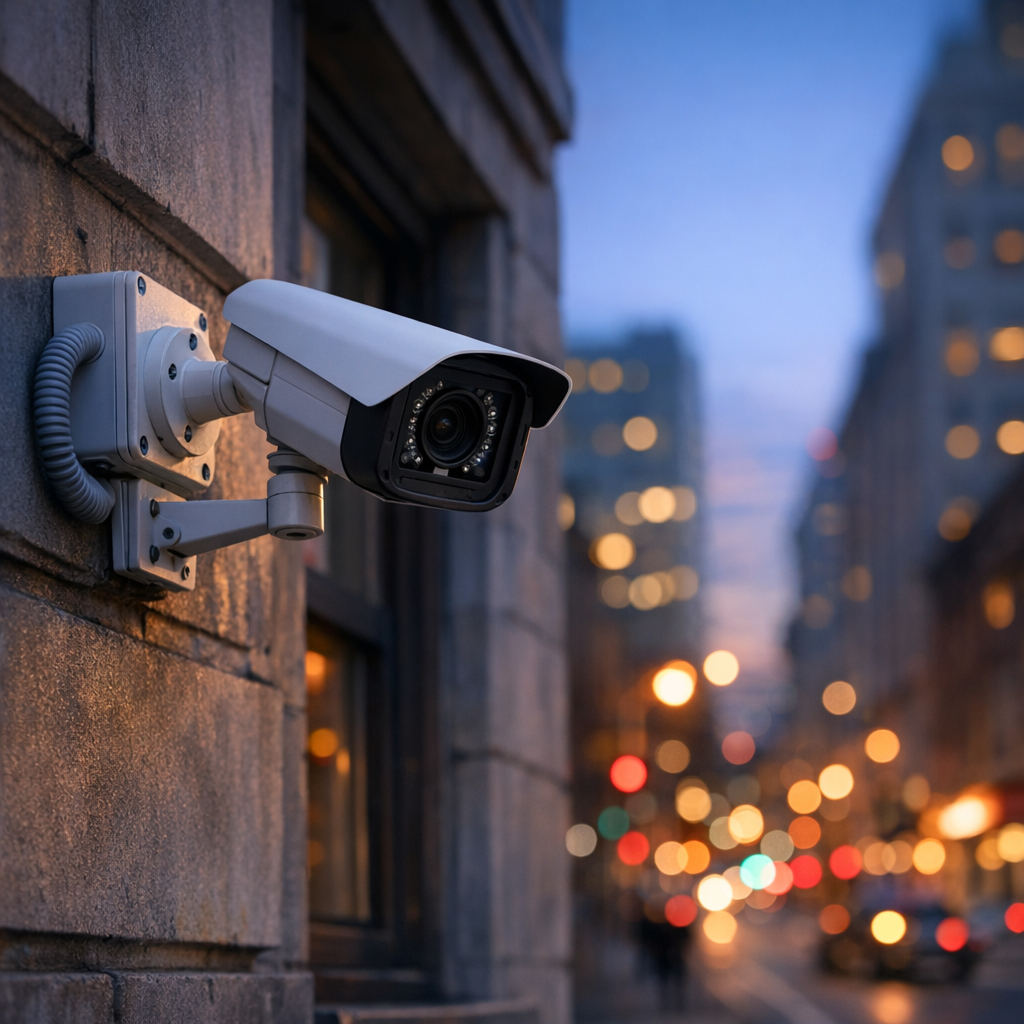
When video surveillance reduces insurance premiums and claims
Insurers and risk assessors look for concrete, measurable controls that lower the likelihood, severity, or ambiguity of a claim. Video surveillance can reduce insurance risk by providing objective incident records, shortening investigation time, deterring repeat offenses when visible, and documenting post-loss conditions such as vandalism or slip-and-fall factors. However, insurers differentiate between systems that merely record and systems that produce reliable, forensically useful evidence: uninterrupted timestamps, recognizable faces or license plates, verified storage, and clear chain-of-custody. Including documented maintenance and access logs strengthens the argument that the video system is a risk control rather than a potential privacy hazard. Read the complete Video Surveillance guide
Designing video surveillance to meet insurance evidence standards
Design choices directly affect whether footage is usable in underwriting or claims adjustment. Key technical and procedural criteria insurers commonly evaluate include resolution, frame rate, time-synchronization, retention policy, secure storage, and who can access exports. Cameras should provide sufficient resolution for intended identification tasks (e.g., 1080p or higher for facial features at typical distances, 4K for license plates at longer ranges). Time synchronization with a reliable clock and embedded timestamps reduce disputes about when an event occurred. A defined retention schedule aligned with privacy rules and claim windows prevents over-retention while preserving relevant evidence.
Operational controls matter: documented inspection logs, firmware updates, and protected credentials reduce the likelihood of system failure or tampering. Export procedures and secure hashing of video files improve evidentiary weight, especially when insurers or law enforcement request original files. For businesses in regulated sectors, preserve audit trails showing how footage was handled after an incident. These steps convert a passive camera into a defensible control.
Comparison of common video surveillance setups and insurance outcomes
Different camera systems produce different outcomes in underwriting and claims scenarios. Below is a focused comparison of typical setups, their strengths, and common limitations relative to insurance risk reduction.
- Doorbell and consumer cloud cameras — Pros: low cost, easy install, visible deterrent. Cons: variable image quality, short free retention, inconsistent time-sync, and account-based access pose challenges for chain-of-custody. Insurers may accept footage for simple, low-value claims but hesitate to rely on it for contested liability without stronger controls.
- Local NVR-based CCTV systems — Pros: controlled retention, enterprise codecs, easier forensic export, and on-site backups. Cons: single-site failure risk (fire/theft) unless replicated off-site. Properly configured NVRs with hashing and documented export procedures typically carry greater evidentiary weight in claims.
- Hybrid systems (on-site + cloud redundancy) — Pros: best balance—on-site capture with cloud replication reduces data-loss risk and supports audit trails. Cons: requires careful vendor selection and contractual clarity about data ownership and access. Many insurers view redundancy favorably when it’s demonstrably active.
- Monitored systems with alarm verification — Pros: human verification reduces false positives and speeds response, potentially lowering theft or vandalism severity. Cons: ongoing monitoring costs and regulatory requirements for audio or private property monitoring. Underwriting often treats verified alarm responses as a strong mitigation factor.
How insurers judge value
Underwriters weigh evidence quality, system reliability, and documented procedures more than brand or headline resolution. A modest system with rigorous operational controls can outrank a high-resolution system with poor maintenance. The insurer’s perspective is practical: will the system materially alter expected frequency or severity of a covered loss, and can footage support rapid, unambiguous claim resolution?
Practical examples and common mistakes
Real-world scenarios illustrate decision logic: a small retail shop installs a visible camera covering the till and rear exit, stores exports on a secure server, and keeps a service log. After a theft, video clearly shows entry, time, and perpetrator, enabling the insurer to settle quickly and pursue recovery. Contrast that with a homeowner who relies solely on a consumer cloud camera that overwrites footage every 24 hours and refuses to share full-resolution files; the insurer may downgrade the footage’s value or deny a claim for insufficient evidence.
Common mistakes that negate potential insurance benefits:
- Placing cameras without clear lines of sight to critical zones (e.g., covering only an adjacent wall).
- Using cameras with inadequate lighting compensation, producing unusable night footage.
- Failing to synchronize clocks or keep export logs, weakening timestamps during disputes.
- Retaining audio where prohibited, creating privacy violations and potential regulatory penalties.
- Relying on an unmaintained system—dead cameras or expired storage plans eliminate any evidentiary value.
When evaluating a purchase, map system capability directly to identified risks: theft, vandalism, liability claims, or operational disruption. Avoid scope creep—adding cameras where they do not reduce measurable risk can increase compliance burdens without insurance upside. Browse Video Surveillance
Legal & ethical considerations (EU and US high-level)
Legal frameworks differ by jurisdiction and materially affect how video surveillance should be implemented. In the EU, GDPR governs personal data processing: controllers must justify surveillance under a lawful basis, minimize captured data, provide notices where required, and respond to data subject access requests. Image data used in claims is still personal data and must be handled accordingly. In the US, federal law rarely regulates ordinary private surveillance, but state laws may restrict audio recording, require signage, or limit capture in private spaces. Businesses should avoid recording areas with a reasonable expectation of privacy (restrooms, changing rooms) in all jurisdictions.
Ethically, balance the insurer’s interest in evidence with individuals’ privacy rights. Use signage and published retention policies, document legitimate purposes for collection, and implement role-based access controls. If footage will be shared with insurers or law enforcement, maintain logs of exports and redaction procedures to limit unnecessary exposure of bystanders. These controls both reduce legal risk and strengthen the evidentiary value of video. Discreet solutions
Frequently Asked Questions
Can video surveillance alone guarantee lower insurance premiums? No. Cameras are one control among many; insurers consider a system’s design, documentation, and demonstrable impact on loss frequency or severity when adjusting premiums.
What footage qualities do insurers typically require for a claim? Clear timestamps, sufficient resolution to identify people or plates for the use case, and a verifiable export process are the most commonly requested qualities.
Are there privacy limits that could make video inadmissible? Yes. Recording in spaces with strong privacy expectations, or capturing audio where prohibited, can create legal exposure and may invalidate footage for claims.
Does cloud storage make footage more or less useful for insurance? Cloud storage can increase reliability and reduce data-loss risk, but insurers will evaluate vendor controls, export integrity, and access logs—cloud alone is not decisive.
Should I notify my insurer before installing cameras? It's prudent. Advance notification can clarify whether the planned system meets underwriting expectations and whether any documentation will be required to secure premium adjustments.
Decisions about video surveillance should rest on a clear risk model: identify the exposures you want to reduce, map technical specifications and operational procedures to those exposures, and document the system lifecycle. Thoughtful design and maintenance improve the probability that footage will influence underwriting and claims outcomes. For homeowners and small-business owners, modest investments in proper placement, time-synchronization, retention policies, and export controls often yield greater insurance benefit than simply increasing sensor counts. Use the legal and ethical guidance above as operational guardrails and prioritize systems that produce reliable, demonstrable evidence rather than headline specifications alone.