gps trackers: hiding mistakes homeowners and small business owners make
When people consider using gps trackers for a vehicle or an expensive piece of equipment, they often focus on device specs and battery life but overlook practical installation and legal boundaries. This article examines common mistakes people make when hiding gps trackers, with comparisons of covert techniques, decision logic for homeowners and small businesses, and a buyer checklist that prioritizes real time gps functionality and compliance.
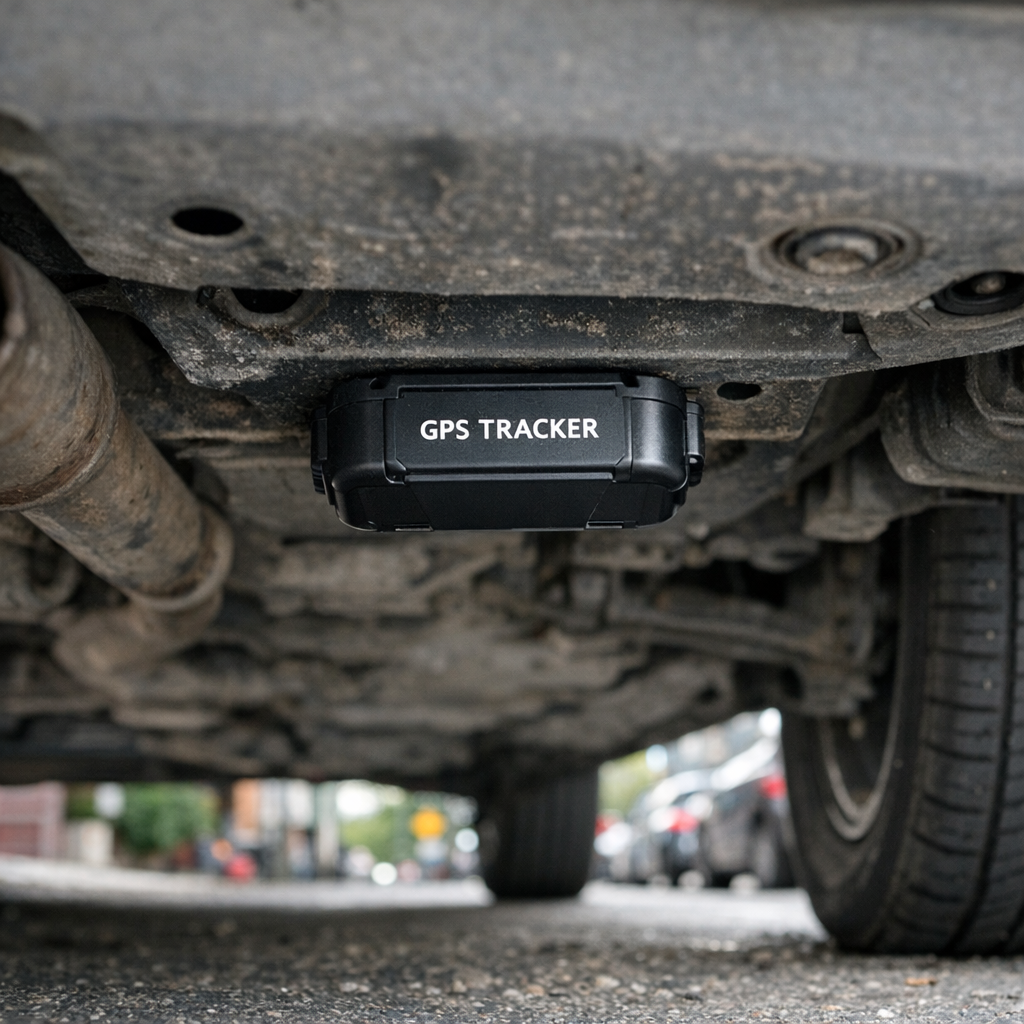
Common mistakes when hiding gps trackers
Many errors stem from treating a tracker like a magic black box rather than part of a system. Typical mistakes include placing the device in predictable spots (wheel wells, glove compartments), failing to consider antenna orientation and cellular reception, and overlooking power requirements for long-term use. In vehicle gps tracking deployments these mistakes reduce reliability: a well-hidden tracker with poor reception or a drained battery is effectively useless. Additionally, installers may ignore tamper alerts and fail to secure mounting hardware, which increases the chance that a tracker will fall off, be found, or be disconnected.
Comparison: concealment strategies, pros and cons for gps trackers
Choosing where and how to hide a tracker requires weighing trade-offs between stealth, maintenance, and device capability. Magnetic cases are quick to install and ideal for temporary vehicle gps tracking, but they risk being dislodged or discovered during routine maintenance. Hardwired units offer long-term uptime for fleet vehicles and eliminate battery drain, but installation is more complex and visible wiring can betray the device. Capsule-style trackers for asset tracking are useful on trailers or heavy equipment but may require physical concealment that affects antenna performance and real time gps updates.
Short-term vs long-term scenarios
- Short-term covert tracking: Magnetic, battery-powered trackers for temporary use. Pros: portability and fast deployment. Cons: battery life and weaker tamper alerts.
- Long-term asset tracking: Hardwired or solar-assisted units for trailers and containers. Pros: continuous monitoring and lower maintenance. Cons: more complex installation and potential legal obligations for constant monitoring.
- Hybrid approaches: Use concealed hardwire with a backup battery to survive power cuts; choose units with configurable reporting intervals to conserve power while maintaining real time gps capability.
When selecting a concealment strategy, factor in the reporting cadence you need. Real time gps updates can reveal movement patterns but require stronger network and power planning; intermittent pings save battery but may miss short events.
Buyer checklist for gps trackers
A structured selection process reduces the chance of choosing a device that will fail once hidden. Evaluate devices against a specific needs matrix that includes power, mounting, network, and data management.
- Power source: Battery capacity, hardwire options, and backup battery. For vehicle gps tracking, hardwiring with a supervised backup battery is best for uninterrupted tracking.
- Connectivity and SIM support: Multi-band cellular radios and eSIM options improve coverage and remove common reception failures when a unit is stashed deep in a chassis.
- Reporting modes: Real time gps streaming, motion-triggered pings, and scheduled reports. Choose devices that allow configurable intervals to balance visibility and battery life.
- Tamper and movement alerts: Detection improves survivability of the tracking plan; lack of tamper alerts is a frequent oversight.
- Physical form factor: Magnetic enclosures, low-profile housings, or ruggedized asset tracking housings. The wrong form factor often forces installers into poor concealment choices that block the antenna.
- Data retention and export: Ability to export logs for lawful purposes. Confirm how long providers retain location data and whether firmware logs movement history locally.
- Encryption and security: Secure telemetry and account protection matter if location data could be sensitive.
For deeper technical context on device capabilities and reporting modes, consult the detailed background material in our pillar resource Read the complete GPS Trackers guide . When browsing device types and compatible accessories, check the collection of models and form factors available Browse GPS Trackers.
Practical examples and common mistakes
Real scenarios expose how theoretical choices break down in the field. Below are three practical situations, mistakes typically made, and recommended decision logic.
1) Homeowner tracking a teen driver
Mistake: Hiding a small battery tracker in the glove box for stealth without considering intermittent trips and varied network coverage. Result: Short battery life and missed real time gps updates. Decision logic: Choose a unit with engine sensing and low-power motion modes, mount where reception is reliable but not obvious, and configure alerts for geofence and overspeed. Always inform household members as required by local law.
2) Small business tracking rental equipment
Mistake: Concealing an asset tracking device inside a metal enclosure or under static panels without external antenna options. Result: Poor signal and inconsistent asset tracking reports. Decision logic: Use ruggedized asset tracking devices with external antenna options or periodic wake/sleep schedules. Ensure asset tracking intervals match rental return windows to preserve battery and provide useful status reports.
3) Fleet manager monitoring vans
Mistake: Relying on inexpensive magnetic trackers for long-term vehicle gps tracking. Result: Repeated detachments, theft, and maintenance disruptions. Decision logic: Standardize hardwired installations with documented mounting locations, add tamper reporting, and keep an installation log for maintenance teams so devices are not inadvertently removed.
Legal limits and compliance for gps trackers
Legal and ethical boundaries govern placement and use of gps trackers. This section provides high-level considerations for the US and EU; it is not legal advice.
United States: Laws vary by state. Placing a tracker on someone else’s property or vehicle without consent may expose the installer to civil liability or criminal charges. Employers using tracking on company vehicles may have broader rights, but state rules and notice requirements often apply. Evidence gathered through tracking can be admissible when collected lawfully, but unlawful surveillance can invalidate that evidence and invite penalties.
European Union: The General Data Protection Regulation (GDPR) frames tracking as personal data processing when locations can be linked to identifiable people. Controllers must have a lawful basis—such as consent or legitimate interest—implement data minimization, and provide transparent notices. Processing employee location data requires clear policies, necessity tests, and safeguards. In both jurisdictions, audio recording and intercepting communications are separate legal areas with stricter prohibitions.
Operational compliance best practices: document consent or business justification, minimize retention, anonymize data where possible, and maintain an audit trail for who accessed tracking records. If you face any legal uncertainty, consult a qualified attorney rather than relying on general guidance. For a technical primer on legal contexts and operational controls, see the secondary guidance resource Discreet solutions.
Frequently Asked Questions
Q: Is it legal to hide gps trackers on my own vehicle? A: Yes, generally you can place trackers on your own property, but check local laws if the vehicle is jointly owned or used by others.
Q: Will hiding a tracker under a car prevent real time gps updates? A: It can; metal, depth, and antenna orientation affect both GPS reception and cellular uplink. Choose devices with tested performance in intended mounting positions.
Q: How long do battery-powered trackers last when hidden? A: Battery life depends on reporting frequency, motion sensors, and cellular transmit power; practical life ranges from days (frequent real time reporting) to months (infrequent pings).
Q: Can GPS devices be detected by scanners? A: Yes—radio frequency detectors and simple scanning tools can locate active transmitters. Concealment that blocks detection often also blocks normal connectivity.
Q: What is the difference between vehicle gps tracking and asset tracking? A: Vehicle gps tracking focuses on powered vehicles with routing and telematics features; asset tracking typically targets unpowered items, prioritizing long battery life and rugged housings over high-frequency reporting.
Educational closing
Hiding gps trackers requires technical respect for radio behavior, an understanding of device trade-offs, and adherence to legal and ethical boundaries. Avoid common mistakes by planning power and antenna placement, choosing the right reporting profile for your use case, and documenting lawful justification for monitoring. Thoughtful selection and installation improve reliability for vehicle gps tracking, asset tracking, and real time gps needs while reducing risk to the installer and tracked parties. For product comparisons and model selection after you confirm legal constraints, consult the product collection to match form factor and features to your scenario .