Mini cameras for homeowners: legal limits of hiding cameras indoors
Homeowners and small-business operators often consider mini cameras when they need discreet indoor monitoring, but hiding cameras carries legal limits that vary by purpose and place. This buyer guide explains how to evaluate mini cameras for indoor use, compares compliance risks with operational benefits, and outlines practical decision steps so you can choose discreet cameras or small security cameras without unintentionally breaking laws or violating privacy expectations.
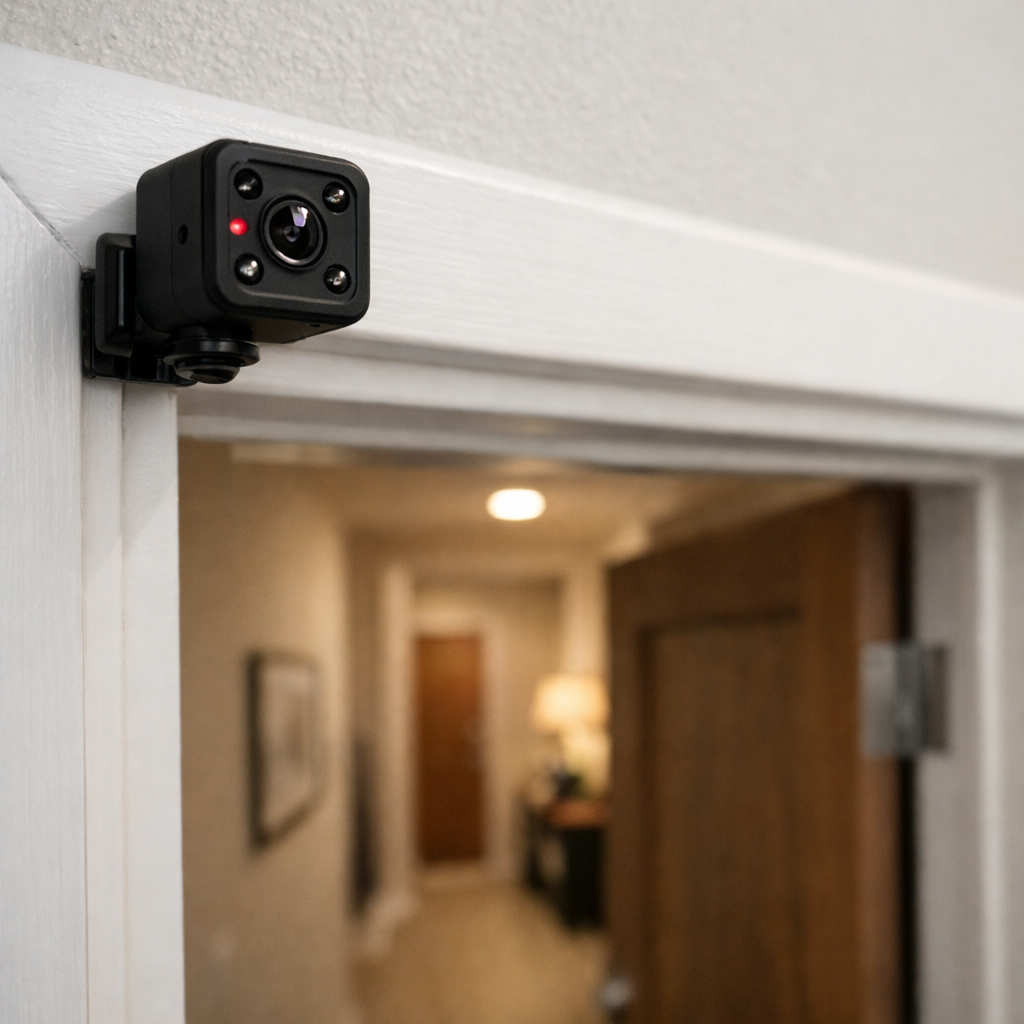
Legal boundaries for mini cameras in homes and businesses
Mini cameras can be a lawful tool for security when used transparently and for legitimate safety reasons, but laws draw hard lines around reasonable expectation of privacy. In most US states and EU jurisdictions, recording audio without consent is a higher-risk activity than recording video only; bedrooms, bathrooms and changing rooms are universally sensitive areas where hidden cameras are almost always prohibited. If you intend to place small security cameras in common areas, document your purpose, consider visible notices and limit audio capture. For business owners, surveillance policies and employee consent regimes change the legal calculus significantly. Read the complete Mini Cameras guide
Where laws differ: comparing US and EU approaches to hidden cameras
US law varies by state: some states require two-party consent for audio, others only one-party consent. Video-only recording in public-facing business areas is often allowed, but private areas remain protected. In the EU, the General Data Protection Regulation (GDPR) frames camera footage as personal data; organizations collecting footage must have a lawful basis, perform data protection assessments and provide notice where feasible. Small businesses must report retention policies and enable data subject rights on request. Both systems emphasize proportionality and necessity—surveillance must be the least intrusive means to achieve safety objectives.
Choosing mini cameras within legal and ethical limits
Selection starts with lawful purpose: theft deterrence, verifying deliveries, or monitoring a high-risk area for safety are valid reasons. Avoid devices that suggest an intent to conceal for surveillance of intimate spaces. Evaluate technical features against legal constraints: turn off or disable microphones if audio consent is uncertain, choose cameras with configurable retention and secure encryption, and prefer devices that support local-only recording if your context requires tighter data control. When assessing product claims, verify whether the manufacturer documents configurable privacy settings and supports lawful retention policies. Browse Mini Cameras
Technical criteria that matter for compliance
- Audio capability: Prefer cameras that allow audio to be disabled or physically removed; audio increases consent obligations.
- Field of view: Narrower lenses reduce the risk of capturing adjacent private areas.
- Storage and deletion: Automatic deletion windows and audit logs help meet data minimization rules.
- Authentication and encryption: Strong access controls protect recorded data from third-party exposure.
- Physical form factor: Discreet cameras are useful, but avoid devices designed to mimic personal items in sensitive rooms.
Scenario comparisons: when hidden cameras are likely legal or illegal
Scenario A — Retail back office: Installing a mini camera to monitor cash-handling in a storeroom is generally lawful if you post notice to employees, limit audio, and retain footage only as needed for investigations. Scenario B — Private rental bedroom: Hiding a camera in a guest bedroom without explicit consent is unlawful in most jurisdictions and exposes the owner to criminal and civil liability. Scenario C — Childcare provider: Any hidden cameras require clear prior disclosure and written parental consent, plus careful data handling; some regions ban hidden monitoring in such contexts entirely. These comparisons help weigh the risk/benefit profile for discreet cameras and hidden cameras in particular use cases.
Pros and cons matrix for concealed vs. visible cameras
- Concealed mini cameras — Pros: Can capture undetected activity that visible cameras might deter, useful in targeted fraud or theft investigations.
- Concealed mini cameras — Cons: Higher legal and reputational risk, potential criminal liability, and ethical problems if private areas are captured.
- Visible small security cameras — Pros: Deter wrongdoing, easier to justify legally, and transparent to occupants and visitors.
- Visible small security cameras — Cons: May be disabled by bad actors and sometimes considered intrusive if overused without clear justification.
Practical examples and common mistakes
Example 1: A homeowner installed a button-sized mini camera in a hallway to catch package thieves. Because it recorded only the threshold and not inside neighboring apartments, and no audio was captured, the footage was lawful and useful in prosecution. Example 2: A landlord placed a pinhole camera in a rental bathroom; the tenant discovered it and pursued criminal charges. That error combined hiding with a highly private location—an almost certain statutory violation.
Common mistakes include: failing to disable microphones, neglecting to consult local laws before purchase, using devices marketed explicitly for spying in private areas, and over-retaining footage. Another frequent error is assuming 'homeowner' status exempts you from data protection obligations when monitoring employees or paying guests. Clear, written policies and a minimal technical footprint reduce exposure. Discreet solutions
Legal and ethical considerations (high-level US and EU guidance)
US guidance: Confirm state-level audio laws before enabling microphones; provide notice to employees and obtain consent when required; avoid hidden cameras in places where people expect privacy. EU guidance: Treat recorded video as personal data under GDPR when individuals are identifiable; perform a Data Protection Impact Assessment for systematic monitoring; set lawful basis (e.g., legitimate interests) and document proportionality. In both regions, ethics intersects law: consider the dignity and expectations of those recorded and favor transparency where feasible.
How to document compliance steps
- Create a surveillance policy that states purpose, locations, retention periods and access controls.
- Keep records of any consent forms or notices provided to occupants or employees.
- Log access to footage and implement timely deletion processes.
- Seek local counsel for complex situations such as monitoring in multi-tenant buildings or childcare settings.
Buyer guidance: choosing the right discreet cameras legally
Step 1 — Define lawful purpose and map risk zones: list areas where people have high expectations of privacy and exclude them. Step 2 — Prioritize technical controls: choose mini cameras that allow disabling audio, support encryption, and offer limited retention. Step 3 — Establish procedural controls: signage, consent, secure sharing channels and deletion schedules. Step 4 — Verify vendor transparency: check whether firmware updates are signed, whether the vendor logs access and whether local-only recording is an option. These steps help you select discreet cameras that align with legal limits and reduce liability for improper use.
Frequently Asked Questions
1. Can I legally hide a mini camera in my own home? It depends: general areas where guests have no reasonable expectation of privacy (living room, entrance) are often acceptable; intimate spaces like bathrooms and bedrooms are not. Check local law and prioritize notice.
2. Are hidden cameras legal in rental units? Landlords must avoid surveillance in private living spaces. Monitoring common areas may be permissible with notice and legitimate purpose, but secret recording of tenants typically violates statutes and lease agreements.
3. Does recording audio change the legal situation? Yes. Audio recording often triggers stricter consent rules than video-only capture, especially in US states with two-party consent laws and under EU rules where audio may increase identifiability and data sensitivity.
4. How long can I keep footage from a mini camera? Data minimization principles require retaining footage only as long as needed for the stated purpose; many businesses adopt deletion windows of 30–90 days unless footage is required for investigation or legal holds.
5. Do I need to tell employees about indoor cameras? Almost always. Employment and data protection laws typically require notice and may require documented consent or collective bargaining consultation depending on jurisdiction.
Closing educational summary
Mini cameras can be a legitimate security tool when chosen and deployed within legal and ethical boundaries. Evaluate purpose, technical features and procedural safeguards before selecting discreet cameras or hidden cameras, and document compliance steps to reduce legal risk. When in doubt, prefer transparency and configure devices to limit audio and unnecessary data retention. Thoughtful selection and clear policies will let homeowners and small businesses balance safety with privacy obligations while keeping liability in check.