Mini cameras: How lighting affects footage for homeowners and small businesses
Mini cameras respond to light in ways that determine whether footage is usable for evidence, monitoring, or privacy protection; understanding those interactions helps homeowners and small businesses choose and place discreet cameras for reliable results.
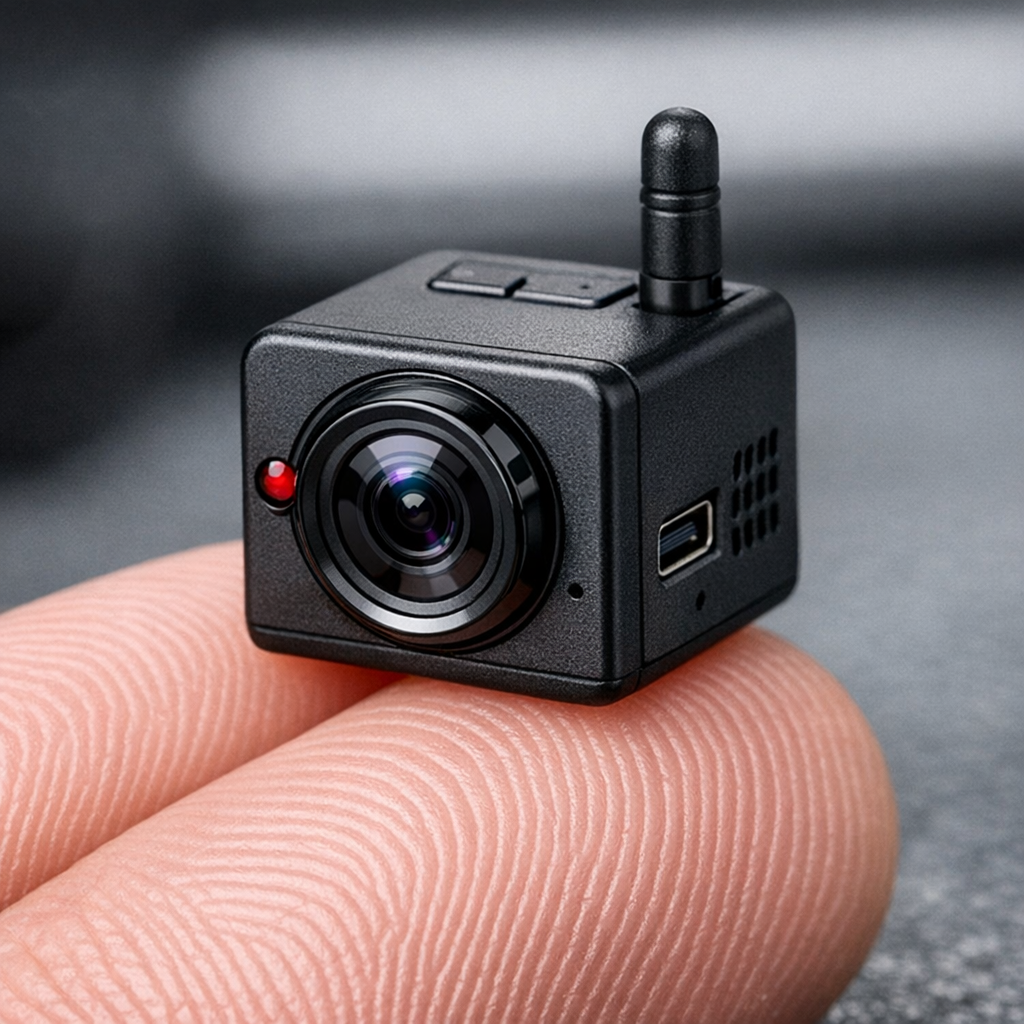
How lighting alters mini cameras performance
Image sensors in mini cameras trade sensitivity, noise, and dynamic range against size and power. Under bright, even lighting a small security camera can deliver crisp detail, but contrasty scenes or low-light corners reveal sensor limits: increased grain, color shifts, motion blur, and reduced resolution at the pixel level. Placement decisions that ignore light angles and reflective surfaces are common causes of footage loss; conversely, adapting installation to lighting conditions improves recognizability of faces and license plates without upgrading hardware. For an in-depth technical overview of sensor behavior and recommended configurations see the main resource on mini camera recording techniques Read the complete Mini Cameras guide
Comparison: mini cameras versus other discreet cameras under varied lighting
When comparing mini cameras to larger analog or IP cameras, size constrains sensor area and lens diameter. Pros and cons under identical lighting conditions break down as follows:
- Bright diffuse light — Mini cameras: good detail, low motion artifacts. Larger cameras: slightly higher dynamic range and fainter highlight retention.
- Mixed indoor lighting (windows and artificial sources) — Mini cameras: risk of blown highlights and underexposed shadows; discreet cameras with wider dynamic range perform better at preserving facial detail across the scene.
- Low light and night — Mini cameras: higher noise, limited IR sensitivity unless equipped; specialized small security cameras with larger sensors or integrated IR LEDs yield superior clarity.
- Backlit scenarios — Mini cameras often render subjects as silhouettes unless the camera supports HDR or exposure compensation; larger models or those with wide dynamic range settings can preserve subject detail.
Choosing between hidden cameras and overt fixtures depends on the specific lighting environment: a hidden lens tucked in a brightly lit shelf may outperform an exposed mini camera struggling against backlight at a doorway. For product listings tailored to low-light discreet recording, consult the appropriate collection to compare models designed for those conditions Browse Mini Cameras
Buyer guide: evaluating discreet cameras by lighting needs
Prioritize these technical criteria when selecting mini cameras with lighting in mind:
- Sensor size and pixel pitch — Larger sensors and bigger pixels capture more light, reducing noise in dim scenes.
- Aperture and lens quality — Faster lenses (lower f-number) let in more light; sharpness across the field impacts recognition at angles common in homes and small shops.
- IR illumination and cut filter behavior — If you need night monitoring, confirm whether the camera includes IR LEDs and whether color-to-BW switching creates acceptable contrast on targets.
- Dynamic range/HDR — For entrances and windows, HDR helps retain facial detail against bright backgrounds.
- Exposure control and shutter speed — Adjustable shutter speed prevents motion blur in corridors where people or vehicles move quickly.
- Mounting optics and concealment — The chosen housing or concealment should not obstruct light or introduce reflections that degrade image quality.
Evaluate trade-offs: a truly tiny disguised camera often sacrifices sensor size and lens options; a slightly larger small security camera may provide the lighting headroom necessary for reliable footage. Test candidate devices in the real environment or request sample clips when possible; many installers simulate dusk, mixed, and artificial lighting to check performance before final purchase. For an advanced walkthrough on optimizing camera placement under varied lighting, refer to the technical notes linked in our pillar resource Discreet solutions
Practical examples and common mistakes
Scenario 1 — Retail storefront: A business mounted a mini camera above the counter facing the entrance and a bright window. Result: faces near the door were underexposed and grainy because the camera exposed for the window. Fix: add in-scene fill lighting, enable WDR/HDR if supported, or reposition to avoid direct window view.
Scenario 2 — Home entryway: A homeowner installed a hidden camera in a recessed shelf with an overhead incandescent bulb. Result: warm color balance and glare from glossy surfaces obscured detail. Fix: swap to neutral LED lighting, adjust white balance on the camera, and add matte finishes to reflective objects.
Common mistakes:
- Assuming all mini cameras perform the same in low light — sensor and lens specs vary widely.
- Concealing a camera behind glass or acrylic without accounting for reflections and loss of light.
- Relying solely on automatic exposure in scenes with mixed lighting instead of testing manual overrides.
- Neglecting to consider color temperature shifts between daylight and artificial light sources that affect recognition algorithms.
Legal & ethical considerations
Using mini cameras and hidden cameras carries legal obligations and privacy risks. In the United States, laws vary by state: capturing images in public spaces is generally lawful, but audio recording often requires one-party or two-party consent depending on jurisdiction. Recording in private areas where people expect privacy—bathrooms, locker rooms, and private bedrooms—is typically illegal and exposes owners to civil and criminal liability. In the European Union, surveillance falls under data protection rules; footage that can identify individuals is personal data and must be processed lawfully, with purposes limited and retention minimal. Businesses must display adequate signage when required and conduct Data Protection Impact Assessments if monitoring employees or customers.
Ethical practice: prioritize transparency where possible, limit recording to specific risk zones, minimize retention periods, secure footage against unauthorized access, and document legitimate interests or consent where applicable. When in doubt, seek local legal counsel to interpret state-level statutes in the US or GDPR-related obligations in the EU.
Choosing between models: decision logic by scenario
Home security (entryways, nurseries): prefer small security cameras with good low-light sensitivity and adjustable exposure; avoid placing hidden cameras in intimate areas. For retail loss prevention: select discreet cameras with HDR and higher frame rates to capture motion without blur, and ensure placement avoids backlight. For professional surveillance in mixed-light warehouses: prioritize devices with large sensors, IR options, and the ability to use external illumination; mini cameras may be suitable for supplementary angles but not primary evidence collection.
Budget decisions: invest first in sensor quality and optics rather than extra concealment. A well-lit, clearly exposed image from a slightly larger discreet camera often outperforms a stashed micro-camera producing noisy, unusable footage.
Frequently Asked Questions
Q: Will a mini camera work well in low light without IR?
A: Most mini cameras with small sensors will struggle in low light; IR-equipped models or those with larger sensors perform better, but image quality still depends on lens aperture and noise reduction algorithms.
Q: Can I legally install hidden cameras in my small business?
A: Legality depends on jurisdiction and location within the premises; generally allowed in public-facing areas for security, but avoid recording private areas and follow notice and data-protection rules where required.
Q: How important is HDR for mini cameras in mixed lighting?
A: HDR is highly beneficial for doorways and windows where both bright and dark areas coexist; it preserves facial details that would otherwise be silhouetted.
Q: Do concealed housings affect image quality?
A: Yes. Housings, glass, or acrylic cover plates can introduce reflections, reduce light reaching the lens, and distort color; choose matte, anti-reflective materials and test before final concealment.
Q: Should I prioritize frame rate or resolution for identification?
A: For identification of faces in short interactions, resolution and exposure are more important than high frame rates. For tracking moving objects, higher frame rates reduce motion blur but may require better low-light sensitivity to maintain image quality.
Educational closing
Understanding how lighting influences mini cameras and other discreet cameras reduces the likelihood of wasted installations and legal exposure. Apply the comparison points and buyer criteria to prioritize sensor and lens quality, plan placement that accounts for dynamic lighting, and follow responsible legal and ethical practices. Testing in situ under the full range of expected lighting—daylight, dusk, and artificial sources—remains the most reliable method to ensure footage will meet your monitoring objectives while minimizing privacy risks.