GPS trackers for homeowners and fleets: false assumptions and legal limits
Many homeowners, small business owners and fleet managers buy GPS trackers expecting continuous, flawless location data and instant legal immunity; that gap between expectation and reality causes costly mistakes. This article examines common false assumptions about gps trackers, compares device classes, and outlines legal and compliance boundaries so you can evaluate solutions for vehicle gps tracking, asset tracking and real time gps needs.
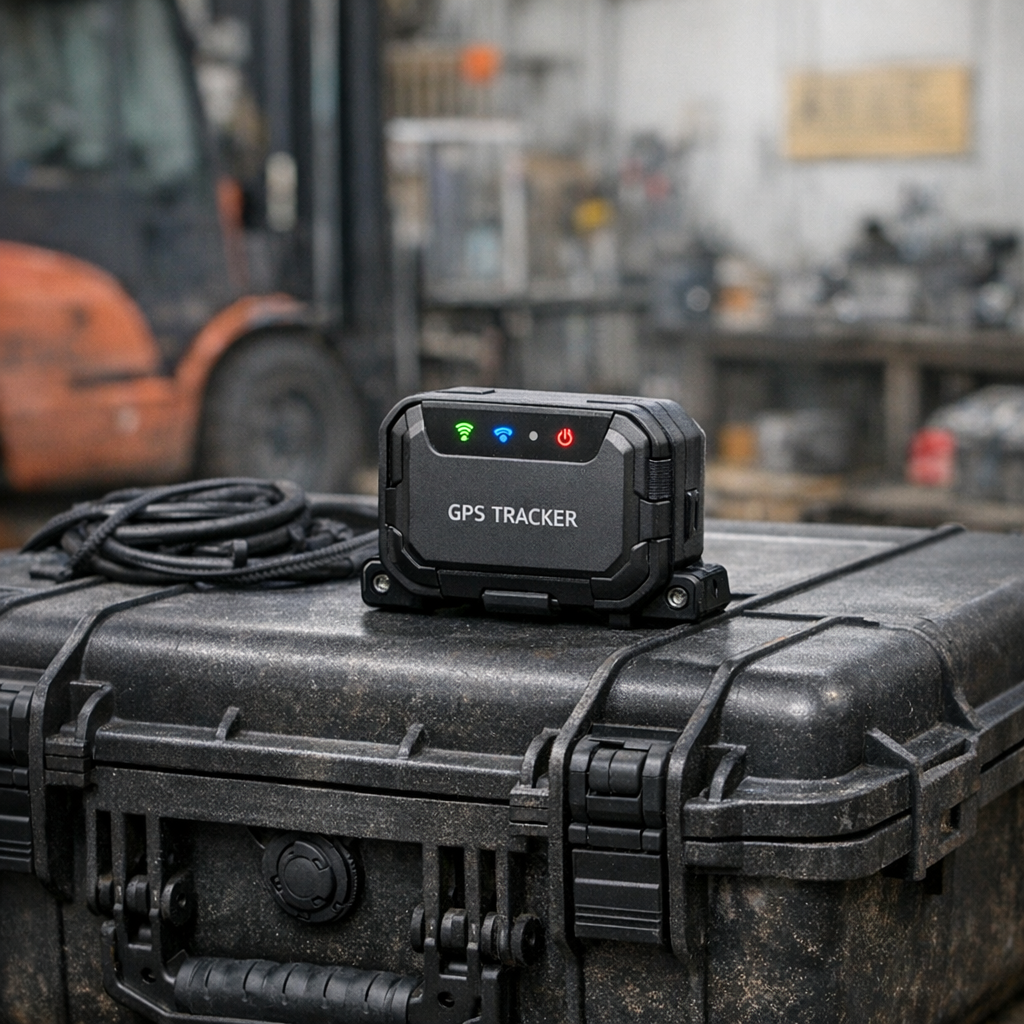
Common false assumptions about gps trackers
Assumption: a tracker always provides real-time, second-by-second accuracy. Reality: most consumer and many commercial trackers combine GPS fixes, cellular uplink schedules and network delays. Antenna placement, device reporting intervals, and cellular coverage dictate the actual update cadence. Treat claims of "real time" as marketing shorthand rather than a technical guarantee; validate with spec sheets and field tests.
Assumption: small battery-powered trackers will operate for months with frequent updates. Reality: reporting frequency, transmit power and network retries drain battery rapidly. Devices designed for long life typically limit updates or use motion-triggered reporting; aggressive one-second reporting pushes even high-capacity batteries to hourly lifespans.
Assumption: tracking is anonymous and private by default. Reality: location data is personal data under many privacy regimes and is stored on vendor servers unless explicitly configured otherwise. Understand retention policies, access controls and whether vendors sell or share telemetry. In a business setting, employee consent, policy notices and limited access are prerequisites to lawful use. Read the complete GPS Trackers guide
Comparing types of gps trackers
When evaluating gps trackers you should compare technical trade-offs across three broad types: cellular GPS, satellite-based trackers, and short-range BLE/UWB tagging.
Cellular GPS trackers
Pros: broadly available coverage where cellular service exists, lower hardware cost, integration with cloud platforms and SIM-managed connectivity. Cons: dependent on carrier coverage and roaming agreements; incur monthly data and SIM costs; delays from network queuing can affect near-real-time expectations. Best for vehicle gps tracking in urban and suburban deployments where coverage is consistent.
Satellite-capable trackers
Pros: global reach beyond cellular footprints; vital for maritime, remote work sites and high-risk asset protection. Cons: higher hardware, airtime costs and sometimes slower update cadence. Satellite trackers are preferable where coverage reliability outweighs cost and where true global location is required for safety or regulatory reasons.
BLE, UWB and proximity tags
Pros: extremely low power, low cost and excellent for short-range asset tracking inside buildings or yards. Cons: not a replacement for GPS for vehicles; require dense infrastructure for real time gps-like coverage. Useful for inventory control, tool tracking and indoor handoff scenarios when paired with gateway devices.
Evaluation criteria for selecting gps trackers
When comparing models, weigh these criteria in order of importance for your scenario: reporting interval, position accuracy, connectivity type, battery life, tamper detection, data retention and platform access controls. For fleets, prioritize reliable cellular roaming and sensor integrations (ignition, OBD-II, CAN bus) that support operational telemetry along with location. For high-value static assets, battery longevity and geofence-triggered reporting often matter more than continuous polling.
Cost evaluation must include recurring fees: SIM/data plans, platform access tiers, and potential satellite airtime. Look for vendors that publish typical power budgets at representative reporting intervals rather than idealized claims.
Pros and cons matrix: scenario-driven comparison
Scenario — urban delivery fleet: cellular GPS trackers with vehicle integrations usually offer the best balance of accuracy, reporting frequency and total cost. Expect 10–30 second updates under normal conditions; insist on real-world uptime stats.
Scenario — site-based equipment (rental lifts, generators): low-power asset tracking devices that report when moved or on a schedule can preserve batteries for months, but do not promise continuous visibility between check-ins.
Scenario — cross-border trucking: verify multi-carrier roaming, eSIM support and whether the vendor’s platform supports compliance logs for hours-of-service or proof-of-delivery workflows.
Practical examples and common mistakes
Example 1: A small contractor installs trackers on tools to deter theft and expects instant recovery. Mistake: relying solely on one-second update promises. Reality: tools inside buildings or metal cases lose GPS lock; a BLE gateway or contractor inventory process is required to locate indoor assets reliably.
Example 2: A family installs a passive tracker on a teen’s car to monitor driving. Mistake: believing the device circumvents consent requirements. Reality: in many jurisdictions parental ownership may allow monitoring of minor children’s vehicles, but employee-vehicle or co-owned vehicle tracking usually requires notice and explicit consent. Check workplace policies and state privacy laws.
Common procurement mistake: comparing only upfront cost. Vendors differ in data retention, exportability, API access and how they handle historical logs for audits. Confirm whether you can export raw telemetry for forensic analysis if needed. Browse GPS Trackers
Legal and ethical considerations
High-level U.S. context: location data is often considered sensitive and can implicate wiretapping or stalking statutes if used without proper authorization. Consent and legitimate interest are central—employers should set clear, written policies explaining purpose, scope and retention, and update handbooks. Criminal investigations or law enforcement access also vary: vendors may comply with legal process, so anticipate potential data disclosure.
High-level EU context: location data often qualifies as personal data under the GDPR. That triggers obligations around lawful basis, data minimization, purpose limitation and security. For business deployments, conduct a data protection impact assessment when tracking employees or customers, and document legal bases such as contract necessity or legitimate interest with balancing tests.
Ethical boundaries: track only what is necessary. Avoid continuous, granular monitoring of individuals where a coarse geofence or time-limited logging would achieve the same safety goal. Implement role-based access, audit logs and periodic reviews to prevent mission creep. Vendors that advertise "always-on" surveillance without privacy controls should be treated cautiously. Discreet solutions
Frequently Asked Questions
How accurate are consumer GPS trackers in real time?
Typical modern GPS fixes are within 2–10 meters in open sky; urban canyons, multipath and antenna obstruction degrade accuracy. Combine GPS with assisted data and sensor fusion for better practical accuracy.
Does "real time" mean second-by-second tracking?
Not necessarily. "Real time" varies by vendor: it can mean frequent updates (seconds), near-real-time (tens of seconds) or event-driven updates. Request measured update intervals under expected operating conditions.
Are there legal limits to tracking my employees' vehicles?
Yes. Laws differ by jurisdiction. Employers should notify employees, limit scope, and retain records demonstrating legitimate business needs. Obtain legal counsel for sensitive deployments.
Can GPS trackers work without cellular service?
GPS reception does not require cellular service, but most trackers need connectivity to transmit fixes. Satellite-capable devices can transmit without cellular service but at higher cost and often lower update rates.
How should I evaluate vendor privacy practices?
Check data retention policies, export and deletion capabilities, access controls, and history of compliance incidents. Prefer vendors that support local data export and explicit deletion requests.
Educational closing
Choosing and deploying gps trackers requires separating marketing claims from technical limits, matching device class to use case, and building compliance into operations. Use scenario-led comparisons — vehicle gps tracking for fleets, asset tracking for tools and equipment, or BLE systems for indoor inventories — to select appropriate reporting cadence, connectivity and lifecycle costs. Prioritize vendors that provide transparent power budgets, documented SLAs and privacy controls, and always align deployments with applicable US and EU rules and internal policies to reduce legal risk while preserving operational value.