Voice recorders for homeowners and small businesses: ensure admissible recordings
Choosing and using voice recorders so their audio holds up in court requires more than buying the latest device; it demands understanding legal boundaries, preserving metadata, and following chain-of-custody and transcription best practices from the moment you record. This buyer-focused guide explains how to select, configure, and handle voice recorders to maximize the likelihood recordings are admissible for disputes, insurance claims, or workplace investigations.
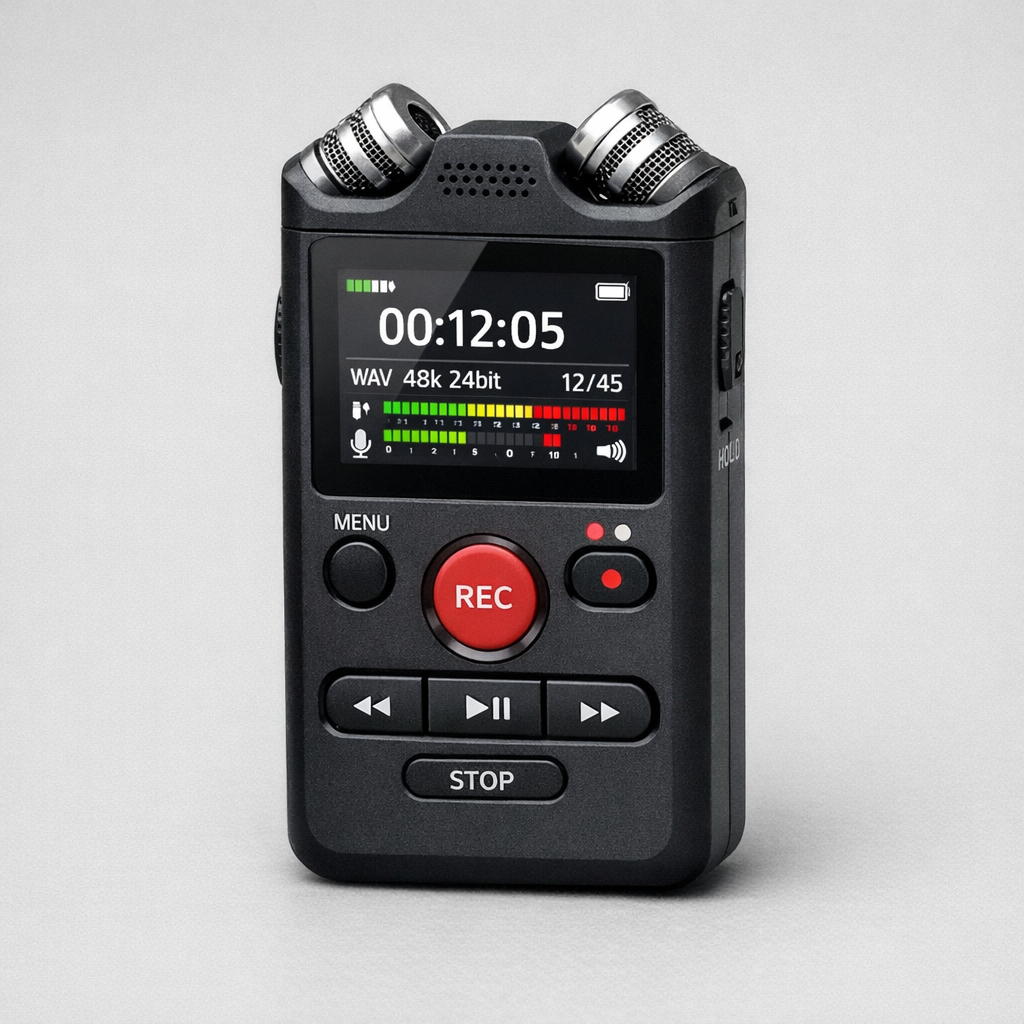
Why admissibility matters for voice recorders
Admissibility is the legal threshold that determines whether recorded audio can be considered evidence. Courts evaluate relevance, authenticity, reliability, and legality of how the recording was made. For homeowners documenting threats, small business owners collecting customer complaints, or HR professionals recording interviews, admissibility shapes whether audio contributes to a legal outcome or is excluded. Here we define the technical and procedural factors that courts expect and how a voice recorder's features intersect with those expectations.
Legal landscape: making voice recorders' output admissible in the US and EU
Admissibility rules differ by jurisdiction. In the United States, federal and state laws govern consent to record; some states require one-party consent, others require all-party consent. In the EU, data protection rules under the GDPR add layers about personal data minimization and lawful grounds for processing recorded audio. This section provides high-level comparisons and practical boundaries, not legal advice.
Consent and notice
Consent requirements determine legality before admissibility is considered. If a recording violates statutory consent rules, courts often exclude it as unlawfully obtained. For US users: verify whether your state is one-party or two-party consent. For EU users: identify lawful bases for processing audio (e.g., consent, legitimate interest) and record retention limits. When in doubt, obtain explicit consent on the record or choose transparent notice and consent protocols for workplace settings.
Authenticity, reliability, and hearsay
Court rules evaluate whether a recording is what it purports to be. Authentication can be supported by device metadata, consistent timestamps, witness testimony, and preservation steps. Reliability covers audio clarity and whether manipulation occurred. Hearsay objections may arise for out-of-court statements; authenticated recordings can still be admitted under exceptions, but you should prepare a chain-of-custody and supporting testimony to establish context.
Device comparison: voice recorders, voice activated recorders, and digital voice recorders
Not all devices are equal for admissibility. Compare three common classes: simple handheld voice recorders, voice activated recorder models, and fully featured digital voice recorders with encryption and timestamping. Each has pros and cons depending on your legal and evidentiary needs.
Handheld voice recorders
- Pros: Simple operation, reliable file formats, fast transcription export.
- Cons: Limited security features, fewer authentication aids such as tamper-evident logs.
- Use case: Quick, on-site notes where consent is clear and chain-of-custody is informal.
Voice activated recorders
- Pros: Efficient storage by saving only when sound is present; useful for long monitoring.
- Cons: May omit silence-based context and timestamps at start/stop points, complicating authentication.
- Use case: Background monitoring where continuous recording is impractical, but ensure activation events are logged.
Digital voice recorders with security features
- Pros: Built-in timestamping, metadata retention, encryption, and export logs assist authenticity.
- Cons: Higher cost and steeper learning curve; encrypted files require secure key management to avoid access issues.
- Use case: High-stakes recordings—HR investigations, contract disputes—where admissibility is critical.
Evaluation criteria when buying a voice recorder for admissible evidence
A buyer guide framed around admissibility focuses less on brand and more on capabilities. Prioritize these features and procedural supports when selecting a device.
- File format and fidelity: Choose recorders that save in standard, lossless or high-bitrate formats (WAV, FLAC, uncompressed PCM). Courts prefer files that show minimal processing.
- Timestamping and metadata: Devices that embed accurate UTC timestamps and maintain metadata help authenticate when and where a recording occurred.
- Security and tamper evidence: Encryption, write-once modes, or audit logs reduce the risk of undetected alteration.
- Battery and storage reliability: Unexpected shutdowns can corrupt files. Look for robust power management and error-resilient file systems.
- Chain-of-custody tools: Systems that log exports, user access, and file transfers simplify documentation for court.
- Ease of use and documentation: Devices that produce native logs and provide exportable audit trails reduce reliance on secondary evidence.
Use cases and decision logic for admissible recordings
Decide by weighing legal risk, evidentiary value, and operational constraints. For a homeowner documenting harassment, a simple high-fidelity handheld recorder may suffice if you obtain clear consent and preserve the original files. For a small business conducting internal investigations, prefer a digital voice recorder with encryption and export logs to demonstrate chain-of-custody and access controls.
If continuous monitoring is necessary, a voice activated recorder can save space, but document activation thresholds and test edge cases to avoid missing context. When interview accuracy is critical, pair the recorder with simultaneous note-taking and, if feasible, a second backup device to corroborate authenticity. For advanced recorder features and setup strategies, consult our detailed technical primer Read the complete Voice Recorders guide placed alongside device comparisons in procurement planning.
Practical examples and common mistakes
Example 1: A tenant records a landlord confrontation on a smartphone and posts it online. Mistake: posting an unverified, edited clip damages admissibility; the original file, metadata, and narration about the recording context are absent. Better: preserve the original file, export it to a secure medium, and document when and how it was recorded.
Example 2: A retail manager uses a voice activated recorder in break rooms to detect theft-related conversations. Mistake: failing to post notice or obtain consent under local law leads to exclusion and privacy complaints. Better: consult local consent requirements, provide notice where required, and restrict access to the minimal team with documented authorization.
Example 3: An HR investigator records an exit interview on a digital voice recorder with encrypted output. Mistake: losing the encryption key during transfer makes the file inaccessible. Better: implement key management policies and retain export logs showing who accessed the file and when. For a practical checklist to manage device inventories and secure exports, include a chain-of-custody checklist in procurement and evidence protocols Discreet solutions to prevent common handling errors.
Legal & ethical considerations
High-level comparisons: in the US, statutory consent varies by state; even in one-party consent states, workplace policies and union agreements may impose additional constraints. In the EU, GDPR requires a lawful basis to process audio and expects minimization and limited retention. Ethically, consider privacy impacts—recordings capture private speech and sensitive data, so restrict access and redact where appropriate.
Retention limits should balance evidentiary needs and data protection: keep recordings only as long as necessary for the stated purpose and document retention schedules. In all cases, maintain transparent policies so employees, tenants, or clients understand when and why recordings may occur. When selecting between models, review available devices on your procurement list and compare them against legal requirements and business policies; you can browse current models to match features with compliance needs Browse Voice Recorders.
Frequently Asked Questions
Q1: Are recordings from a smartphone admissible in court?
A1: Yes, if the recording complies with applicable consent laws and authenticity can be established; preserve the original file and metadata to support admission.
Q2: Does a voice activated recorder reduce admissibility?
A2: Not inherently, but gaps or missing context from activation thresholds can complicate authentication; document activation settings and corroborate events when possible.
Q3: How important is file metadata?
A3: Very important. Timestamps, device IDs, and export logs help authenticate recordings and demonstrate they were not altered.
Q4: Should I use encryption on a digital voice recorder?
A4: Yes for sensitive recordings; encryption protects privacy and integrity, but manage keys and access carefully to avoid losing evidence.
Q5: Can I transcribe recordings for evidence?
A5: Transcripts are useful but secondary; always preserve original audio and document who produced the transcript, methods used, and any corrections to support reliability.
Closing: evaluating and preserving recordings for admissibility
Buying the right voice recorder is the first step; ensuring admissible recordings requires a combined approach: choose devices with appropriate formats and security, follow consent and retention rules, document chain-of-custody, and maintain clear internal policies. Use secure exports, preserve originals, and create contemporaneous notes explaining context. For procurement, decide between simplicity and advanced features based on the legal risk and evidentiary value of your recordings. Thoughtful device selection and disciplined handling turn a recording into usable evidence rather than a liability.