
gps trackers for vehicles and assets: battery expectations vs real-world tracking
When evaluating gps trackers for vehicle or asset monitoring, battery life is the metric buyers anchor their decisions to — but lab ratings rarely translate directly to field performance. This buyer-focused article compares manufacturer battery expectations to real-world runtime across vehicle gps tracking, asset tracking, and high-frequency real time gps deployments, and shows how legal limits, reporting settings, and environmental factors change outcomes.
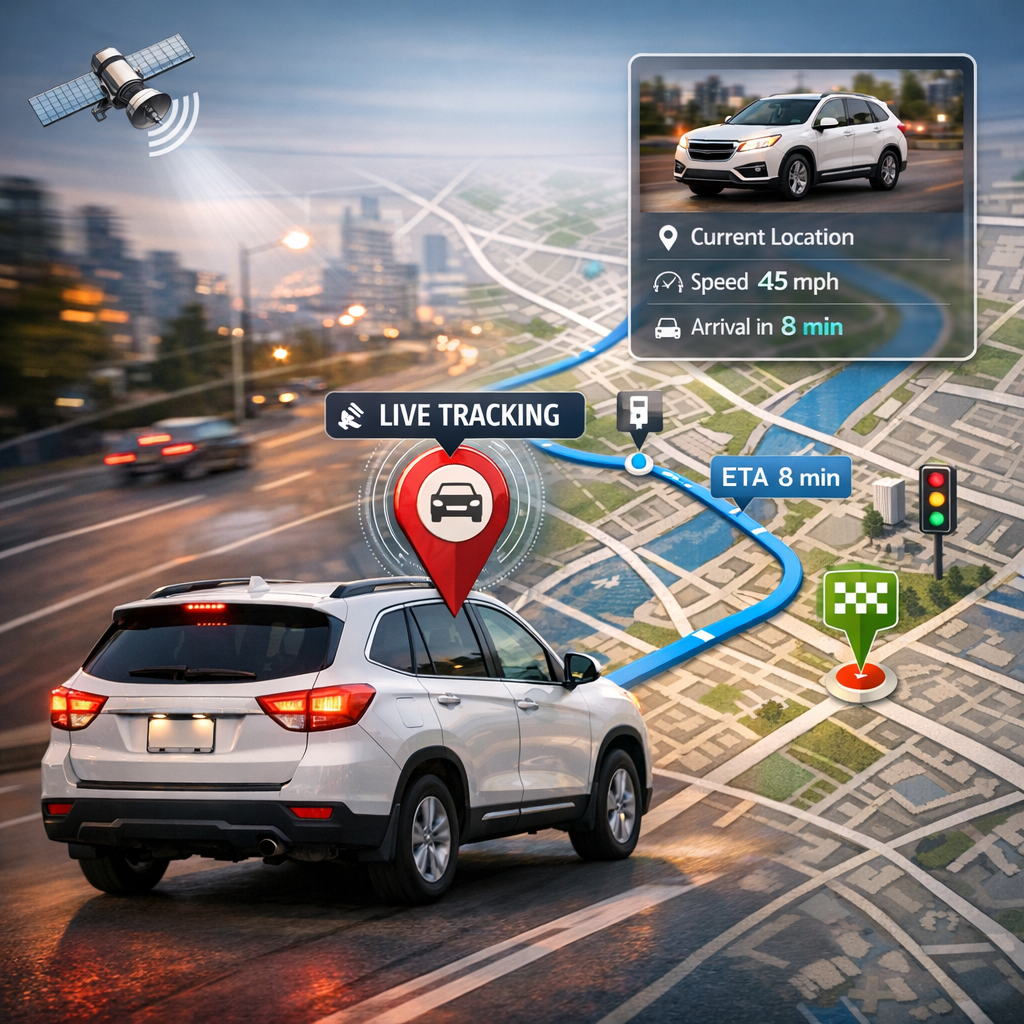
gps trackers: battery specifications versus real-world runtime
Manufacturers typically publish battery capacity (mAh), standby hours, and an expected runtime based on a specific reporting interval (for example, one position per hour). Those numbers assume ideal conditions: strong cellular signal, moderate temperature, and conservative reporting. In practice, runtime is the product of hardware, firmware, configuration, and the communications network. A 3000 mAh unit advertised for 12 months at one-hour pings may only reach six to eight months under poor signal conditions or if the device spends extra energy recovering from GPS cold starts. For deeper technical context on data reporting behavior and firmware power modes, consult the foundational technical overview Read the complete GPS Trackers guide .
Comparison: gps trackers battery trade-offs by use case
Battery expectations vary dramatically by use case. Below is a structured comparison that highlights typical trade-offs and the scenarios where they occur.
Vehicle gps tracking (installed with ignition power available)
- Typical configuration: frequent wake on ignition, periodic heartbeat while parked, and OBD or wired power when running.
- Battery role: often backup rather than primary. Integrated wired power removes strict runtime constraints, allowing smaller internal batteries to support alerts and tamper detection.
- Real-world impact: expect months to years for internal battery when wired; backups often last weeks if left disconnected and transmitting regularly.
Asset tracking (unpowered, long-term placement)
- Typical configuration: ultra-low-power sleep modes, motion wake, and infrequent location reports (daily to weekly).
- Battery role: primary. Devices rely on primary cells such as replaceable lithium-thionyl chloride (Li-SOCl2) with low self-discharge.
- Real-world impact: advertised 3–5 years can be realistic only with conservative reporting and stable temperatures; frequent movement or dense coverage areas that trigger extra sends reduce life significantly.
Real-time gps (high-frequency or live tracking)
- Typical configuration: multiple fixes per minute, continuous data uplink using LTE or cellular IoT standards.
- Battery role: intensive. High-frequency reporting drives current draw for GPS and cellular radios, rapidly depleting battery capacity.
- Real-world impact: even a large battery may last only hours to days depending on transmission method and signal quality.
Practical examples and common mistakes
Scenario A — Fleet manager wants live telemetry for a courier vehicle. Choosing a compact battery-only tracker tuned for 10-minute intervals produces unexpected results: poor uptime and frequent offline periods. The mistake is prioritizing compact size and moderate interval without wiring to vehicle power. A wired device or larger battery designed for continuous reporting would have matched the use case.
Scenario B — A construction firm places asset tags in shipping containers expecting five-year life. In the field, tags wake repeatedly when containers are moved, climb out of sleep to re-acquire weak GPS signals, and attempt uploads from poor cellular coverage. The result: batteries die in under a year. The mistake is not validating movement patterns and signal environment during typical shipments.
Common mistakes to avoid:
- Using manufacturer runtime without aligning configuration to your reporting needs.
- Ignoring temperature effects—cold reduces lithium battery capacity, hot accelerates self-discharge and chemical degradation.
- Under-estimating the power cost of cellular reconnections in low-signal areas.
- Failing to test a device in the exact deployment environment (urban canyon, warehouse interior, rural area).
Buyer guide: evaluating gps trackers for battery performance
Approach battery evaluation as a set of trade-offs guided by your operational priorities. Use the checklist below while comparing models and vendors.
- Match reporting profile to battery spec: Request vendor runtime numbers for the same reporting interval you intend to use (e.g., 1 per 5 minutes, motion-triggered, hourly). If the vendor supplies only manufacturer defaults, ask for field-tested logs.
- Power architecture: Identify whether the tracker is primarily battery-powered, wired, or hybrid. For vehicles, prefer wired options with battery backup. For long-term assets, prefer replaceable cells with low self-discharge chemistry.
- Transmission technology: Compare LTE Cat M1, NB-IoT, 2G/3G, and LTE—each has different power profiles. NB-IoT can be more efficient for infrequent small messages, while standard LTE supports frequent high-throughput telematics at a higher cost in battery draw.
- Sleep and motion algorithms: Review how the device sleeps, what triggers a wake, and whether you can tune these thresholds. Poorly tuned motion sensors can cause excessive wakes.
- Firmware update policy: Firmware that supports over-the-air power optimizations and allows you to change reporting parameters remotely reduces field visits and preserves battery life.
- Environmental ratings: Check operating temperature ranges and IP ratings; battery performance drops outside recommended temperatures.
- Maintenance and replacement: For non-rechargeable cells, determine replacement cadence, cost, and ease of access. For rechargeable units, ensure charging logistics and acceptance for wired installations.
When testing devices, run side-by-side trials with identical reporting profiles across the intended environments. Log GPS fix times, cell registration attempts, and all wake events to identify hidden drains.
For category-level browsing and to compare models by reported runtimes and features, refer to our product collection notes Browse GPS Trackers embedded in a practical procurement workflow.
Legal & ethical considerations
Tracking deployments carry legal and ethical boundaries. In the EU, location data is often personal data under GDPR if it can be tied to an identifiable person; that requires a lawful basis, data minimization, access controls, and documented retention policies. In the US, laws vary by state and context: employer-issued trackers for business vehicles are generally permissible when disclosed, but surreptitious tracking of individuals can lead to civil liability and criminal charges. For workplace tracking, maintain transparent policies, limit data collection to business purposes, and implement retention and deletion schedules. For assets, ensure the device does not unintentionally collect personal data (for example, by logging persistent driver IDs). These are high-level considerations and not legal advice; consult counsel for binding guidance.
Frequently Asked Questions
Q1: How much does reporting frequency affect gps trackers battery life?
Reporting frequency is the single largest controllable factor: increasing reports from hourly to every five minutes can reduce battery life from years to months, because each report requires a GPS fix and cellular transmission.
Q2: Are there industry-standard tests for battery runtime?
No universal standard exists; vendors use internal test profiles. Ask for field trial data under stated conditions or request a short pilot in your deployment environment to validate claims.
Q3: Can firmware updates improve real-world battery life?
Yes. Efficient sleep scheduling, smarter motion detection, and improved cellular retry logic delivered via firmware can materially extend runtime without hardware changes.
Q4: What battery chemistry is best for long-term asset tracking?
For replacement batteries, lithium-thionyl chloride cells (Li-SOCl2) are common for multi-year life due to low self-discharge. Rechargeable lithium-ion is common for wired or regularly serviced devices.
Q5: How should I balance size, reporting needs, and battery life?
Start with your operational requirement: what is the acceptable reporting latency and maintenance cadence? If you need near-real-time updates, prioritize larger batteries or wired power. If multi-year unattended life is required, choose devices optimized for infrequent reporting and low-power radios.
Educational closing
Understanding the gap between advertised battery expectations and in-field performance requires thinking in systems: device hardware, firmware behavior, network conditions, and legal constraints interact to determine runtime and acceptable trade-offs. Use targeted pilots, insist on comparable reporting profiles when evaluating spec sheets, and document compliance measures for any deployments that could collect personal data. Practical procurement balances configuration, maintenance logistics, and legal risk — and it begins with realistic battery modeling for the specific use case and environment.
For detailed technical background on reporting modes and power management strategies that influence battery life, review the expanded technical notes in our primary resource Discreet solutions.