Mini Cameras for Homes & Small Businesses: When Mini Cameras Outperform Standard Security Cameras
Mini cameras can outperform standard security cameras in specific, practical scenarios for homeowners, small business operators, and onsite professionals. This article explains when and why small form-factor devices are the better choice, how legal and compliance boundaries shape deployment, and the decision logic you should follow when selecting discreet cameras or hidden cameras for targeted surveillance tasks. For a deeper technical primer on discreet recording technology, consult our extended pillar discussion Read the complete Mini Cameras guide
When mini cameras are the better choice
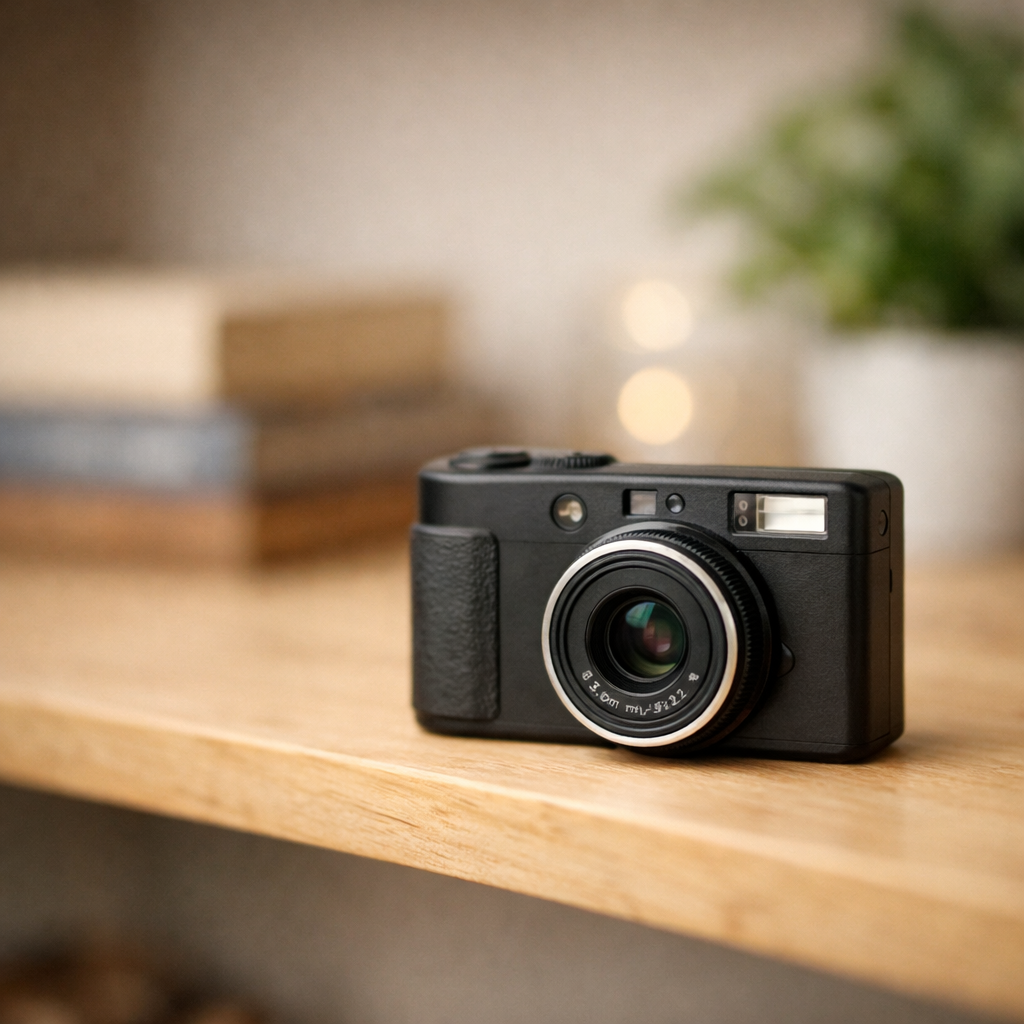
Mini cameras excel where visibility, low profile, or covert placement are essential and where the surveillance objective is narrowly defined. Typical scenarios include monitoring a single entry point in a home office, observing staff-customer interactions at a small retail counter, or conducting short-term evidence collection during an internal investigation. In these situations, the reduced size enables placement out of public view without extensive structural work or conspicuous mounts. Because these devices are optimized for discreet recording, they often provide placement flexibility that standard security cameras cannot match.
Comparing mini cameras and standard security cameras
A direct comparison requires structured criteria: field of view, image quality, power and connectivity, tamper resistance, storage and retention, and legal visibility. Standard security cameras provide wide-area coverage, higher continuous uptime, and integration into NVR/VMS systems; they are designed for perimeter surveillance and long-term monitoring. Mini cameras trade wide coverage for concealability and situational accuracy. When the goal is to capture a desk area, a cash drawer, or a narrow corridor where a large camera would be obvious or impractical, mini cameras can deliver equal or superior evidence.
Pros and cons: technical
- Pros (mini cameras): compact size, easier concealment, lower installation footprint, potential for battery operation, often lower cost for single-location deployment.
- Cons (mini cameras): limited field of view, often reduced low-light performance compared with enterprise-grade units, shorter battery life if not hardwired, fewer integration options with central recording systems.
- Pros (standard cameras): robust optics, advanced motion analytics, PoE and NVR integration, durable housings and vandal resistance.
- Cons (standard cameras): visible presence, higher installation complexity and cost for discrete coverage of small or concealed areas.
Use cases and decision logic
Decision logic begins with defining the surveillance objective in measurable terms: what must be captured, from what distance, under what lighting conditions, and for how long. If the objective is to identify interactions over a narrow area for limited periods—such as verifying staff handling of sensitive documents or monitoring a package handoff—a small security camera that can be placed in a shelf, smoke detector housing, or decorative object may be ideal. Conversely, if continuous outdoor perimeter monitoring or wide-angle coverage is required, standard cameras remain superior.
Evaluation steps
- List the discrete events you need to capture and the minimum image detail required for identification.
- Estimate illumination and environmental variables: is infrared needed? Is the device exposed to weather or heavy handling?
- Decide on retention and access: will recordings be stored locally on microSD or uploaded to a secured cloud? Short-term, event-triggered storage favors mini cameras for many use cases.
- Assess detection risk: if the presence of a visible camera would change behavior and undermine the objective, discreet cameras are preferable.
Practical examples and common mistakes
Practical examples illustrate the decision logic. A small retail shop with a single point-of-sale who suspects internal shrinkage may place a discreet camera focused on the register area for limited hours; this limits data volume and reduces privacy exposure for customers. A landlord investigating unauthorized access to a storage unit may deploy a battery-powered mini camera that records motion-triggered clips rather than committing to a full CCTV system.
Common mistakes
- Choosing a mini camera for broad surveillance needs: buyers sometimes expect a tiny device to replace multisensor CCTV systems; this leads to coverage gaps and missed events.
- Ignoring legal boundaries: deploying hidden cameras in private areas (bathrooms, locker rooms) can create serious legal risk. See the legal section below.
- Underestimating power and storage needs: battery-only mini cameras can run out during an incident if power profiles aren’t checked.
- Poor placement and angle: concealment that obscures the lens or produces obstructed viewpoints results in useless footage.
Buyer evaluation checklist for discreet cameras
Selecting the right mini camera requires balanced evaluation across features and compliance. Key criteria include resolution and codec (for identity-grade clarity), lens and field-of-view, low-light performance or IR, audio capability and local law constraints on recording sound, power options (battery vs hardwired), mounting and concealment possibilities, encryption and access control for recorded media, and warranty/support. Compare product specifications against the specific scenario rather than relying on general ratings. For a curated selection of hidden cameras and small security cameras that suit narrow coverage tasks, review category models and form factors to match placement needs Browse Mini Cameras
Installation and operational best practices
Even the best mini cameras fail when installation is improvised. Best practices include: pre-visualizing the intended frame and running a test capture to confirm facial identification at the planned distance; locking down access to recordings with passwords and secure transfer protocols; labeling deployments internally for audit trails; and scheduling automated retention purges to reduce data exposure. When using battery-powered devices, document battery swap intervals and set alerts where supported.
Legal & ethical considerations (EU/US high-level, non-legal advice)
Legal frameworks in the EU and US differ but share core principles: notice, legitimate purpose, and reasonable expectation of privacy. In both jurisdictions, recording in areas where individuals have a reasonable expectation of privacy—bathrooms, changing rooms, private offices without notice—can lead to criminal and civil liability. Audio recording rules vary more widely; many US states require two-party consent for recording private conversations, while the EU emphasizes data protection principles under GDPR when footage identifies individuals. For policies on internal investigations and evidence handling, align surveillance practices with employment law and data retention rules. When in doubt about a specific deployment, consult counsel; for additional context on discreet recording practices and compliance considerations, review our secondary analysis of use-case scenarios Discreet solutions
Frequently Asked Questions
Q: Are mini cameras legal to use in my home? A: In most cases, using mini cameras in your private residence is legal when you are recording common areas you own. Avoid recording areas with a high expectation of privacy and be mindful if audio is captured.
Q: Can mini cameras replace my standard security system? A: They can replace specific cameras for targeted tasks but are not a drop-in substitute for full-area, long-term surveillance systems with central recording and analytics.
Q: How do I ensure footage is admissible for evidence? A: Maintain chain-of-custody practices, secure original files with tamper-evident methods, and document device settings and timestamps; consult legal counsel for case-specific requirements.
Q: What power option is best for discreet cameras? A: Choose hardwired power where continuous operation is critical; use battery-operated mini cameras for short-term or covert deployments but plan for battery management and failover.
Q: Do mini cameras typically include night vision? A: Many models include IR or low-light sensors, but performance varies; check specified lux ratings and test in expected lighting conditions before deployment.
Educational closing: Selecting between mini cameras and standard security cameras is a matter of aligning technical capabilities with the surveillance objective, operational constraints, and legal obligations. Mini cameras outperform standard cameras when concealment, narrow-field capture, and minimal installation impact are the priority. However, they are a complementary tool, not a universal replacement. Use the decision logic and checklist above to match device features to real-world scenarios, and ensure any deployment respects privacy expectations and applicable laws.