Why GPS Trackers Fail to Recover Stolen Vehicles
Owners and fleet managers commonly deploy gps trackers to deter theft and to recover stolen property, but the presence of a tracker does not mean automatic recovery. This article examines legal boundaries, compliance risks, technical limits, and operational realities that explain why gps trackers often fail to lead to vehicle recovery—providing scenarios, comparison of factors, and a buyer-oriented legal checklist for homeowners and small businesses.
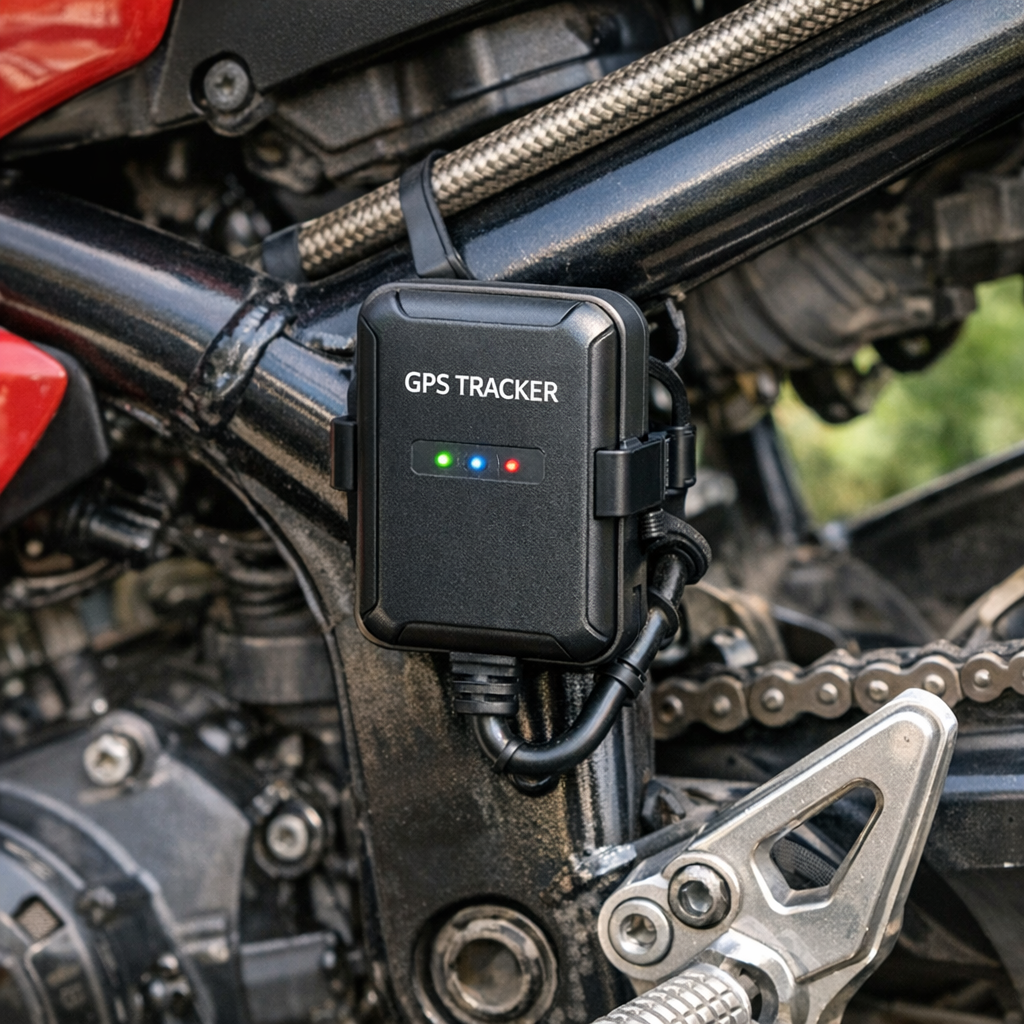
Why gps trackers don't guarantee recovery
At a basic level, gps trackers report coordinates; they do not compel third parties to act. Law enforcement response, evidence standards, privacy constraints, and jurisdictional rules shape whether a location lead results in recovery. Technical issues—signal obstruction, battery depletion, deliberate tampering, or devices that can be geo-fenced out—compound legal limitations. Even where location data is intact, police often treat tracker feeds as investigative leads rather than admissible proof, which affects prioritization.
Legal boundaries for gps trackers and recovery efforts
Legal frameworks set different expectations for owners and for law enforcement. In the US, property owners can generally use trackers on their own vehicles, but evidence admissibility, seizure rules, and requests for police assistance vary by state. In the EU, data protection rules impose additional constraints on how location data may be collected, retained, and shared, particularly when a tracker could reveal private movement patterns of individuals other than the owner. These legal contours influence whether a realtime gps feed will be used proactively by authorities or only after additional corroboration. Discreet solutions
Comparison: technical failures vs legal constraints
When evaluating why a tracker did not result in recovery, separate the problem into technical, legal, and operational buckets. Technical failures include poor antenna placement, non-waterproof housings exposed to removal, outdated firmware, and inadequate cellular coverage. Legal constraints cover evidence thresholds, privacy regulation, and cross-border enforcement. Operational failures stem from delayed reporting, inadequate chain-of-custody for location logs, or unclear instructions to first responders.
Pros and cons: technical factors
- Pros: Many devices provide precise coordinates, tamper alerts, and historic trails for asset tracking.
- Cons: Jammers, simply removing or hiding the tracker, or placing the vehicle in a GPS-obstructive environment will nullify data.
Pros and cons: legal and operational factors
- Pros: Properly logged and time-stamped real time gps data can support insurance claims and investigations.
- Cons: Without clear legal consent or proper preservation, data may be excluded or ignored by law enforcement.
Use cases and decision logic: real-world scenarios
Scenario A — A stolen work van in the same county: A live gps feed shows the vehicle on a public road. The owner alerts police with coordinates and historical logs; police may mount an immediate stop if the location is corroborated and a suspect is identifiable. The best practice is to preserve the device logs and provide a concise affidavit or written summary to dispatchers.
Scenario B — A car taken across state lines: Jurisdictional handoffs frequently delay response. A realtime gps ping in another state requires cross-jurisdiction cooperation and may be deprioritized. Owners should notify both local and receiving jurisdictions, and document transmissions to support a coordinated response. Read the complete GPS Trackers guide
Scenario C — A motorcycle with an externally-mounted tracker removed quickly: Physical accessibility and visible placement increase theft risk. In such cases the tracker often fails because it is easily found and discarded; covert mount points and battery backup strategies are necessary to maintain a locating trail.
Buyer guide: selecting gps trackers within legal boundaries
When evaluating devices, consider three legal-facing selection criteria: data provenance, retention controls, and vendor neutrality. Data provenance means the device and service provide authenticated timestamps and tamper logs suitable for evidentiary use. Retention controls allow you to limit or export logs to comply with local privacy obligations. Vendor neutrality ensures the company will comply with lawful requests but not unilaterally share data in ways that expose you to liability. Browse GPS Trackers
Key technical and contractual features to evaluate
- Battery longevity and backup power: Avoid single-point battery failures by choosing models with sleep modes and tamper alerts.
- Cellular footprint and multi-network SIMs: Asset tracking across borders requires devices that can operate on multiple carriers.
- Exportable, immutable logs: Prefer systems that allow you to download timestamped CSV or PDF logs with cryptographic signatures or at least documented hash audits.
- Clear service-level agreements: Review terms for data retention, law enforcement requests, and liability limitations.
Common buyer mistakes
- Assuming real time gps equals police action: Buyers often misinterpret passive monitoring as an enforceable retrieval capability.
- Overlooking local law constraints: Installing trackers on vehicles used by multiple drivers without consent can create privacy violations.
- Choosing visibility over concealment: Highly visible trackers reduce stealth and increase removal risk.
Practical examples and common mistakes
Example 1: A small-business owner places a tracker on a fleet car and shares credentials with multiple supervisors. A theft occurs; conflicting edits and lack of a clear chain-of-custody for exported logs impede a swift police response. Best practice: designate a single point of contact and export logs immediately when theft is reported.
Example 2: An owner mounts a consumer tracker under the seat without securing the antenna; the device reports until a thief discards it. The lesson is to evaluate mounting points and use tamper notifications paired with backup power.
Common mistakes include failing to register device details with police when requested, not understanding the device's geographic limitations, and relying on low-cost trackers that omit authenticated logs or have weak cellular roaming capabilities.
Legal & ethical considerations (US and EU high-level guidance)
United States: State laws govern consent and surveillance expectations. In general, owners tracking their own property face fewer constraints, but tracking vehicles used by employees or customers can implicate workplace privacy rules and wiretapping statutes in some jurisdictions. Maintain consent forms and clear policies when tracking company vehicles, and document retention limits for location data.
European Union: The GDPR frames location data as personal data when it can identify a natural person. Even where you have an ownership interest, controllers must ensure lawful bases for processing, implement data minimization, and provide retention schedules. Design tracking programs that limit data to necessity, anonymize where possible, and document legitimate interest assessments if relying on that legal basis.
Cross-border and extradition realities: If a vehicle is recovered in another country, recovery depends on bilateral cooperation and local criminal procedures. Expect delays and plan for evidence preservation that meets foreign admissibility requirements.
Frequently Asked Questions
Q1: Can I legally track my car with a gps tracker? A: In most US states and many EU circumstances you can track your own vehicle, but tracking others who use it requires clear consent and documented policy to avoid privacy or employment-law violations.
Q2: Will realtime gps data force police to recover a stolen vehicle? A: No. Real time gps data is typically an investigatory tool; police prioritize based on risk, resource allocation, and corroborating evidence.
Q3: What should I provide to law enforcement to increase recovery chances? A: Supply authenticated logs, device serial numbers, a concise time-stamped summary, and any video or witness information. Keep a single designated contact to streamline communications.
Q4: Are cheap trackers acceptable for asset tracking and recovery? A: Low-cost units may help deter casual theft but often lack multi-network SIMs, tamper alerts, or authenticated logs that are useful in legal processes; for high-value assets invest in models with evidentiary features.
Q5: How long should I retain location data? A: Retention depends on legal obligations and operational needs—retain long enough to support investigations or insurance claims but not longer than necessary to comply with privacy laws and minimize liability.
Educational closing
Gps trackers are valuable tools within a broader security and compliance strategy, but they are not a legal or operational silver bullet for recovery. Owners and managers must align device selection, mounting practices, data governance, and reporting procedures with the applicable US or EU rules, and prepare realistic expectations around law enforcement engagement. Evaluating devices for authenticated logs, multi-network capability, and clear contractual terms will reduce the risk that a tracker’s data proves unusable at a critical moment. Thoughtful policies, documented consent where required, and a coordinated response plan will maximize the practical value of vehicle gps tracking while staying within legal boundaries.