Mini cameras for homes and small businesses: when mini cameras outperform standard security cameras
Mini cameras are increasingly chosen by homeowners, landlords, and small business operators when a compact, low-visibility solution is the best tactical fit. In this article I examine practical use cases where mini cameras outperform standard security cameras, clarify legal and ethical boundaries, compare technical trade-offs, and provide actionable selection criteria so you can make decisions that match operational needs rather than marketing claims. Read the complete Mini Cameras guide
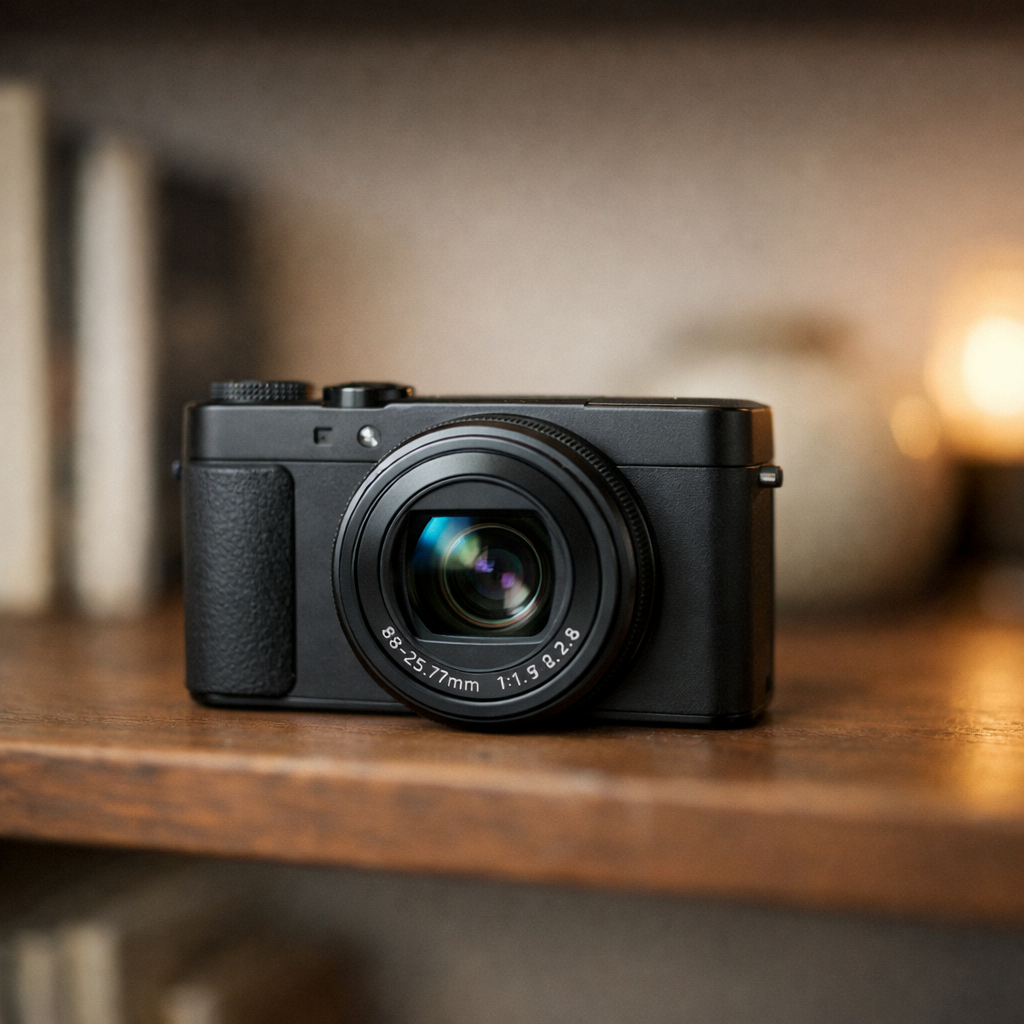
When mini cameras outperform standard security cameras
There are defined situations where mini cameras provide better outcomes than larger, conventional systems. Mini cameras excel when concealment, minimal footprint, or specific vantage points are required: monitoring a single critical doorway inside a shared apartment, discreetly recording evidence of theft at a retail counter, or capturing footage in a compact service vehicle where standard cameras cannot be mounted. Their small size makes them ideal in confined spaces and for targeted monitoring when broad-area surveillance would be impractical or intrusive.
These devices—often described as hidden cameras or discreet cameras—are not universal substitutes. Instead, they are tactical tools for narrow tasks: close-range facial capture, interior shelf monitoring, or time-lapse documentation of a single process. When used appropriately they can be more effective in achieving the recording objective than a large dome or bullet camera that lacks the required angle or can’t be placed covertly.
Comparison: mini cameras vs standard security cameras
To decide whether a mini camera or a standard security camera is the right fit, compare across technical and operational dimensions. Below is a structured comparison of core attributes and typical trade-offs.
Field of view and placement flexibility
- Mini cameras: Extremely flexible placement, can be tucked into furniture, fixtures, or custom housings. Often have narrow to moderate fields of view optimized for close targets.
- Standard cameras: Designed for wide coverage or pan-tilt-zoom capabilities. Better for perimeter or multi-zone monitoring but require visible mounting and more infrastructure.
Image quality and low-light performance
- Mini cameras: Image sensors tend to be smaller. Modern mini cameras with quality sensors and IR can deliver usable evidence-grade footage at short ranges but may suffer in wide scenes or distant targets.
- Standard cameras: Typically have larger sensors, better optics, and superior low-light performance for larger scenes and longer distances.
Power, connectivity, and storage
- Mini cameras: Many run on batteries or small power supplies and can use local SD storage or Wi‑Fi. Battery operation increases placement options but demands maintenance and can limit continuous recording.
- Standard cameras: Usually rely on wired power and PoE networking, enabling continuous recording to NVRs or cloud systems with fewer maintenance intervals.
Visibility and deterrence
- Mini cameras: Low visibility reduces deterrence but increases the chance of capturing candid behavior or covert evidence when legally justified.
- Standard cameras: High visibility acts as deterrent, which is desirable for general security and compliance in public-facing areas.
Choosing mini cameras for specific use cases
Selecting the right mini camera requires mapping device capabilities to the operational objective. Begin by defining the critical questions: what exact scene must be captured, at what distance, under which lighting conditions, and for how long will recording be required? Consider whether continuous monitoring is necessary or periodic, event-triggered capture is sufficient.
If you need a device to document a single counter or product shelf where theft is suspected, a battery-powered mini camera with motion detect and local encrypted storage might be the most practical. For monitoring sensitive patient areas or employee privacy zones, a visible standard camera may better satisfy transparency and compliance needs. For product demonstrations of how mini cameras are used in discreet setups and mounting options, our category resources explain available designs. Browse Mini Cameras
Evaluation criteria checklist
- Target distance and field of view: choose lenses and sensor sizes appropriate for close-range face or object capture.
- Lighting: prefer models with IR or wide dynamic range if lighting varies.
- Power strategy: battery vs wired—balance installation simplicity vs continuous uptime.
- Connectivity and storage: local encrypted SD, on-device retention policies, or secure cloud—consider chain-of-custody needs.
- Form factor and concealment: ensure the housing won’t obscure the lens or impair heat dissipation.
Practical examples and common mistakes
Real-world scenarios help translate technical trade-offs into decisions. Example A: a property manager needs evidence of repeated unauthorized entry into a basement laundry room. A small, discreet camera aimed at the doorframe and set to event-triggered recording can capture sufficient evidence without overreaching. Example B: a café owner wants to deter shoplifting; a visible standard camera provides wide-area coverage and acts as a deterrent, making a mini camera a poor primary solution.
Common mistakes include deploying a mini camera with too narrow a field of view, resulting in missed events; neglecting power and storage logistics that create gaps in recording; and choosing a device with poor audio or image quality for the evidence required. Another frequent error is misjudging legal boundaries: covert audio recording or capturing areas where people have a reasonable expectation of privacy can create liability even when a camera is physically small.
When assessing specialized hidden cameras or discreet cameras, test installations for angle, trigger sensitivity, and daylight-to-night transitions before finalizing placement. Document your installation rationale and maintenance plan to ensure recordings remain admissible and reliable. Discreet solutions
Legal & ethical considerations
Mini cameras raise specific legal and ethical questions because their concealment increases the risk of privacy intrusion. In the United States, federal law prohibits some forms of interception, and many states restrict audio recording without consent. Recording in areas where people have a reasonable expectation of privacy—bathrooms, private changing rooms, or employee locker rooms—is typically illegal. Always verify state and local statutes before installing covert recording devices.
In the European Union, privacy protections are structured under the GDPR for personal data processing. Recording that captures identifiable individuals is treated as processing personal data: operators must justify the lawful basis for processing, implement data minimization, and provide retention limitations. When mini cameras capture employees or customers, organizations should perform a data protection assessment and ensure transparency where required.
Ethically, choose transparency over secrecy when possible. Visible cameras deter wrongdoing and respect consent norms in shared spaces. Use concealed devices only when there is a documented, proportional need—such as suspected theft or safety incidents—and consult legal counsel or compliance teams when in doubt.
Frequently Asked Questions
Can mini cameras legally record in shared rental spaces? Laws vary; recording common areas may be allowed, but recording private rooms or audio without consent is often restricted—check local statutes and lease agreements.
Do mini cameras provide usable evidence for prosecutions? Yes, when image quality, time stamps, and chain of custody are preserved; however, footage that lacks clarity or is legally obtained may have limited evidentiary value.
How long will a battery-powered mini camera run? Runtime depends on battery capacity and duty cycle; continuous recording can be short (hours), while event-triggered systems can last days to weeks.
Are concealed cameras the same as hidden cameras? The terms overlap: "hidden cameras" emphasizes concealment, while "mini cameras" emphasizes size. Both require careful legal and ethical consideration.
What are common signs a mini camera installation is failing? Frequent missed events, inconsistent timestamps, overheating, or corrupted storage files indicate poor placement, insufficient power, or inferior hardware.
Educational closing
Mini cameras are specialized tools that outperform standard security cameras when the operational requirements prioritize concealment, focused coverage, or constrained mounting options. Making the right choice requires mapping the capture objective to device capabilities, planning for power and storage, and applying legal and ethical checks appropriate to your jurisdiction. Thoughtful deployment—combined with testing, documentation, and transparent policies—ensures that mini cameras serve legitimate security and evidence needs without creating unnecessary legal or reputational risk.