Mini Cameras for Homeowners & Small Businesses: Myths, Legal Risks, and Buying Criteria
Mini cameras are often misunderstood: buyers mix up marketing claims, privacy rules, and technical trade-offs when choosing a discreet solution for a home, rental property, or small storefront. This buyer-focused guide debunks common myths, lays out legal boundaries in the US and EU, compares discreet cameras and small security cameras by practical criteria, and gives decision logic for real-world use cases. Read the complete Mini Cameras guide
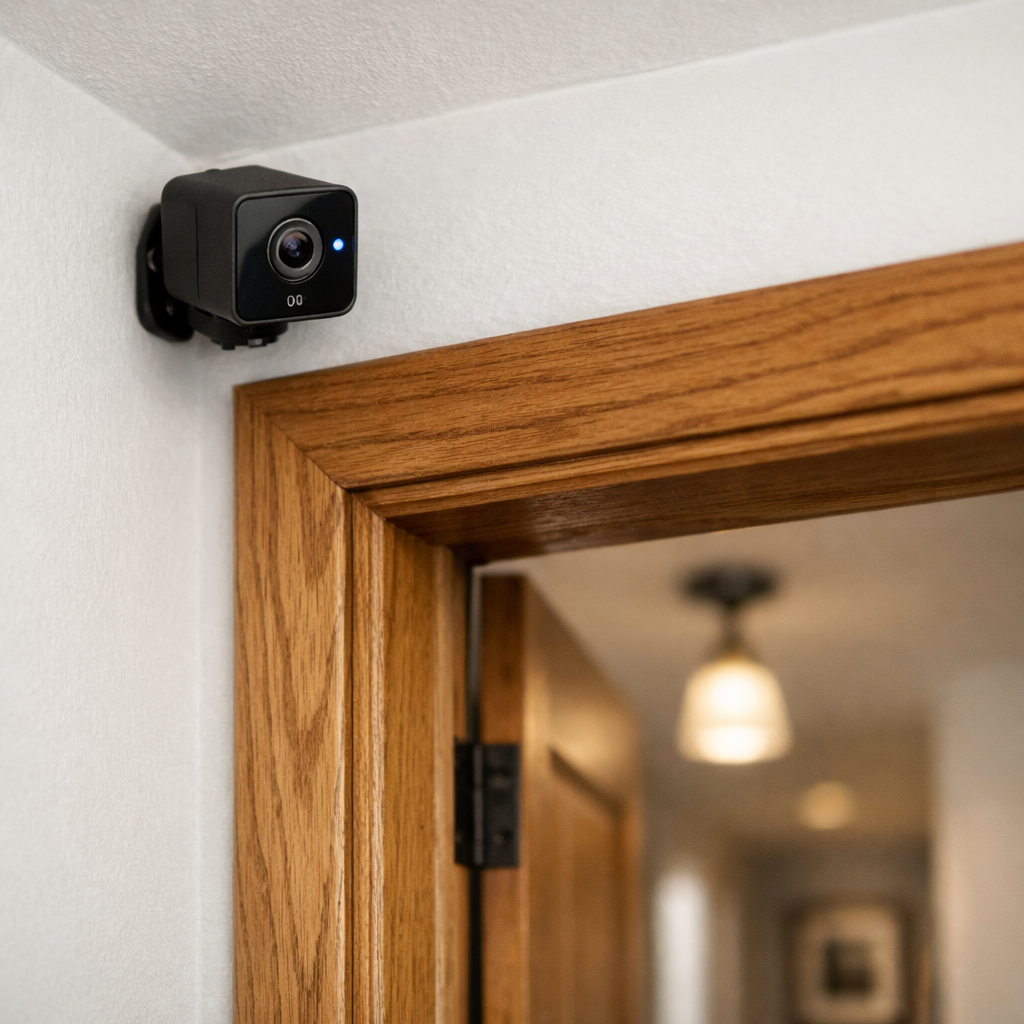
Mini cameras: common myths debunked
Many shoppers assume hidden cameras are a single product category when in reality the term covers a wide range of form factors and capabilities. Below are recurring myths that lead to bad purchases.
Myth 1 — "Hidden cameras are illegal everywhere"
Reality: Legality depends on location, expectation of privacy, and intent. Recording in public spaces or in areas where there is no reasonable expectation of privacy is often legal, while recording private areas such as bathrooms or changing rooms is illegal in most jurisdictions. Understanding local statutes and compliance obligations prevents criminal and civil risk. Discreet solutions
Myth 2 — "Small size means poor image and audio quality"
Reality: Advances in sensor and codec technology allow many mini cameras to produce high-resolution video with reasonable low-light performance. However, trade-offs exist: battery-operated mini cameras prioritize power efficiency, which can limit continuous recording time and dynamic range compared with mains-powered small security cameras.
Myth 3 — "Discreet cameras are undetectable by professional sweeps"
Reality: Professional counter-surveillance tools detect RF emissions, active IR illumination, and heat signatures. Some covert devices are designed to minimize these signals, but any camera that transmits wirelessly or heats up during operation has detectable signatures under targeted inspection. No device is absolutely undetectable.
Myth 4 — "Any hidden camera will stream to the cloud securely"
Reality: Cloud streaming is a feature, not a guarantee. Many mini cameras offer only local storage (microSD) or unencrypted transmission by default. Evaluate encryption, authentication, and vendor practices when remote access or cloud backup is required.
Mini cameras: comparing discreet cameras and small security cameras — evaluation criteria
When comparing mini cameras against more conventional small security cameras, use objective criteria: power source, recording mode, connectivity, sensor size, lens field of view, low-light capability, onboard storage, tamper resistance, and evidence chainability for legal contexts. Browse Mini Cameras
Power source and runtime
Battery-operated mini cameras prioritize concealment and flexibility; they may run for hours to days depending on duty cycle. Mains-powered small security cameras support continuous recording and more robust streaming. Decide whether sporadic event capture or persistent surveillance is needed.
Connectivity & security
Compare Wi‑Fi vs wired vs Bluetooth vs radio transmission. Wi‑Fi is convenient but exposes devices to network-based attacks if firmware and credentials are weak. Wired ethernet or USB power options reduce battery constraints and provide more stable bandwidth for high-bitrate recording.
Image quality and low-light performance
Sensor size and lens quality drive image fidelity more than enclosure size. Look for specifications like effective megapixels, low-light lux rating, and whether the device uses HDR or WDR processing. Night-mode approaches vary: IR illumination produces monochrome images while low-light color modes depend on sensor sensitivity.
Storage, retrieval, and chain of custody
For evidence or formal disputes, local encrypted storage with tamper logs is preferable to consumer-grade cloud solutions. Consider devices that support encrypted microSD, exportable secure files, and timestamping for chain-of-custody integrity.
Use cases and decision logic for buyers
Match the device class to the scenario. Below are common buyer profiles and the recommended logic for selecting a device.
Home: monitoring entry points and caregivers
Goal: deter theft, verify deliveries, and monitor caregiver conduct. Choose mini cameras with wide field of view for doorways, reliable motion detection to avoid unnecessary recording, and encrypted storage to protect family privacy. If continuous monitoring is needed, prefer small security cameras with mains power and scheduled recording.
Short-term rental hosts
Goal: protect property while respecting guest privacy. Use clearly disclosed surveillance policies and avoid placing any cameras in private spaces. Opt for visible deterrent cameras for exterior coverage and small, signposted activity monitors for common areas. Hidden cameras inside rental units are high legal risk and generally discouraged.
Small retail or service businesses
Goal: loss prevention, staff safety, and incident documentation. Combine conspicuous small security cameras for deterrence with strategically placed discreet cameras focused on cash registers or high-risk zones—ensuring compliance with employment laws about notice and consent.
Professional investigators and compliance teams
Goal: collect admissible evidence under legal standards. Use devices with proven chain-of-custody features, secure tamper-evident storage, and detailed metadata. Avoid consumer hidden cameras that alter timestamps or lack exportable audit logs.
Practical examples and common buyer mistakes
Example 1: A homeowner buys a pinhole mini camera because the product photo looks inconspicuous, but the unit lacks night vision and turns off frequently to save battery. Result: missed incidents and false security. The better choice was a hybrid device with mains power and motion-based high-bitrate clips.
Example 2: A small business owner installs a Wi‑Fi hidden camera without changing default credentials. Result: unauthorized access and leaked footage. Mistake: neglecting basic network security. Remedy: change default passwords, use a dedicated VLAN, and enable firmware updates.
Example 3: A landlord installs a discreet camera in a shared laundry room without tenant notice. Result: legal complaints and potential fines. Lesson: always check local tenant privacy laws and provide clear disclosure.
Common mistakes summarized: buying on aesthetics alone, ignoring power and storage trade-offs, assuming cloud features protect evidence authenticity, and failing to review legal constraints before installation.
Legal & ethical considerations (high-level US and EU perspectives)
US: Laws vary by state. Key distinctions include one-party vs two-party consent for audio recording, and expectations of privacy. Federal law prohibits certain interstate interception, and state statutes add restrictions. Even where recording is lawful, employers and property owners must consider employment and privacy regulations.
EU: The General Data Protection Regulation (GDPR) governs processing of personal data, including video. Reasonable purpose, data minimization, transparency, and secure handling are required. Where monitoring identifies individuals, controllers must have a lawful basis, provide notice, and allow rights such as access and erasure where applicable.
Ethical considerations cut across jurisdictions: prioritize notice where practical, avoid surveillance in intimate spaces, and balance safety benefits against privacy intrusion. Consulting legal counsel for complex deployments is prudent rather than relying on product marketing alone.
Frequently Asked Questions
Q: Are all mini cameras illegal to use at home? A: No. Legality depends on location, where the camera is placed, and whether audio is recorded; private spaces are typically off-limits.
Q: Can hidden cameras be used as evidence in court? A: They can, but admissibility depends on chain of custody, authenticity, and local laws; secure storage and timestamping improve evidentiary value.
Q: What's better for a small shop: a mini camera or a small security camera? A: Use a mix: visible small security cameras for deterrence and targeted mini or discreet cameras where discreet monitoring is lawful and necessary.
Q: How do I prevent unauthorized access to a camera? A: Change default credentials, apply firmware updates, enable encryption where available, and segregate the device on a separate network.
Q: Do mini cameras always require cloud service subscriptions? A: No. Many models offer local storage only; subscriptions provide cloud backup and remote access but are not mandatory.
Educational closing
Buying a mini camera requires separating marketing from technical reality, understanding legal limits, and matching device capabilities to the specific use case. Evaluate power and storage options, verify encryption and evidence integrity, and consider whether a visible deterrent or a discreet monitor better serves your operational and ethical needs. Thoughtful comparison and compliance awareness reduce risk and increase long-term value for homeowners, small businesses, and professionals seeking discreet surveillance solutions.