Mini Cameras for Homes & Small Business: Myth vs. Reality
Mini cameras are a frequent search for homeowners and small-business operators seeking discreet monitoring, yet many assumptions about what these devices can legally and technically do are wrong. This buyer-focused guide separates fact from fiction, explains legal boundaries, compares device classes, and gives practical selection criteria so non-specialists can choose the right small security cameras for specific scenarios.
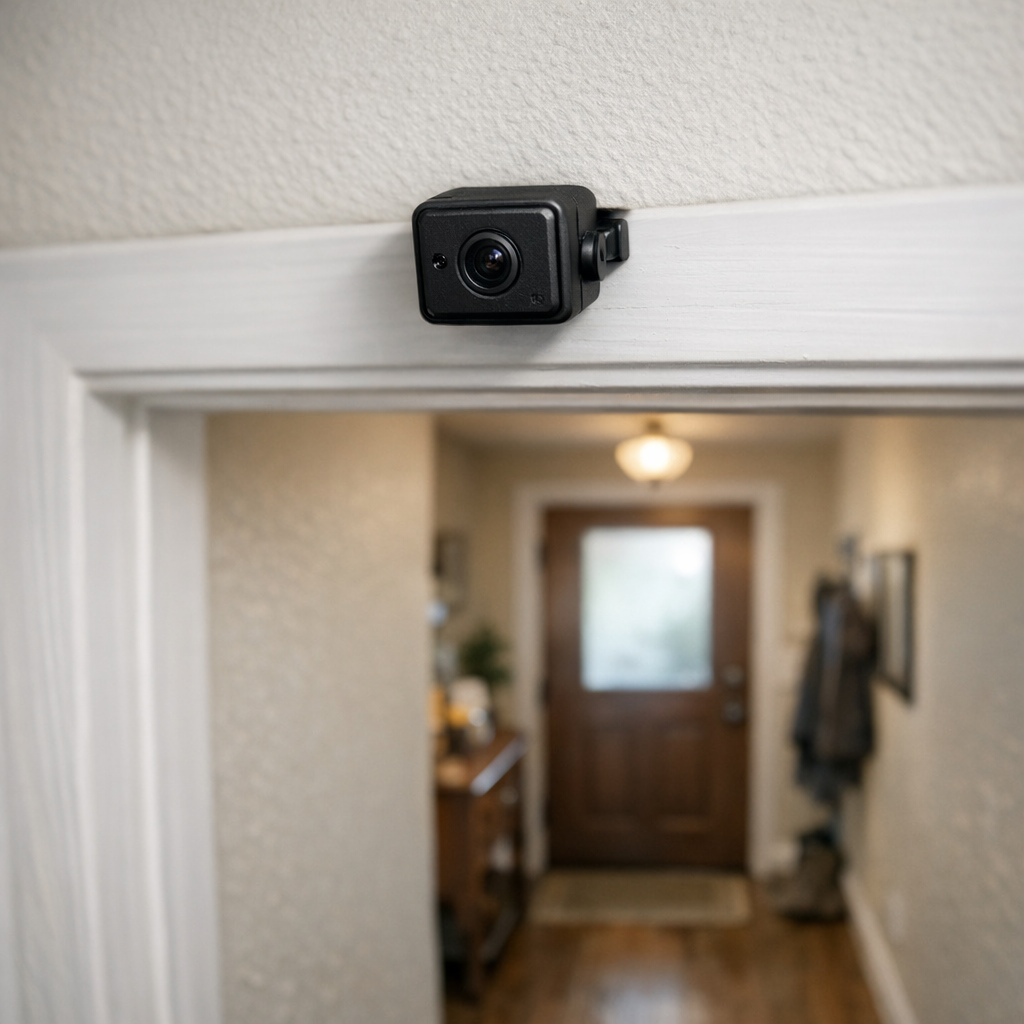
mini cameras: common myths and the reality you should know
Myth-driven decisions lead to misuse or disappointment. A few pervasive myths include: "mini cameras are universally legal if hidden," "all discreet cameras provide face-identifying resolution," and "battery-operated hidden cameras are maintenance-free." Reality is more nuanced: legality depends on location and intent, image quality varies with sensor and lens size, and power strategy affects reliability and detection risk. Consider each claim against compliance and practical performance before buying. Read the complete Mini Cameras guide
mini cameras comparison: types, capabilities, and trade-offs
Not all mini cameras are built the same. Compare the main categories and typical use cases:
- Standalone battery mini cameras — True portability and easy concealment. Pros: flexible placement, no wiring. Cons: limited runtime, periodic retrieval or charging, and often reduced continuous-recording capability.
- Wi‑Fi disguised cameras — Stream live feeds to apps. Pros: remote access, motion alerts. Cons: network exposure, latency, and potential privacy vulnerabilities unless updated and secured.
- Wired micro cameras — Hardwired power or PoE variants for continuous monitoring. Pros: reliable uptime and higher sustained image quality. Cons: more complex installation and lower concealment options.
- Covert lens modules — Tiny lenses embedded in objects (clocks, smoke detectors). Pros: extreme concealment. Cons: installation complexity and higher legal risk if used inappropriately.
When comparing models focus on sensor size, resolution, lens field of view, low-light performance, and power approach. For networked discreet cameras, evaluate encryption and firmware update policies as part of capability assessment. Browse Mini Cameras
Use cases and decision logic for small security cameras
Match device class to the scenario rather than choosing the smallest available. Typical scenarios include:
- Home entry monitoring — A small wired or Wi‑Fi mini camera with decent dynamic range placed in an eave or doorframe usually captures sufficient facial detail. Prioritize infrared or low-light performance for night coverage.
- Retail shrink prevention — For small shops, place discreet but visible deterrents for high‑risk areas and use concealed mini cameras where loss is concentrated. Balance visibility for deterrence with concealment to avoid tampering.
- Private investigation or evidence collection — Ensure compliance with laws; covert recording often requires explicit legal review. When permitted, use models that produce admissible-quality footage: stable frame rates, reliable timestamps, and secure storage.
- Employee safety in small businesses — Use clearly communicated, policy-backed monitoring for common areas. Reserve concealed devices for externally directed investigations under counsel advice.
Decision checklist
- Define the monitoring objective: deterrence, evidence, or situational awareness.
- Decide on acceptable visibility vs. concealment — visible cameras deter; concealed cameras collect unobserved behavior.
- Choose power strategy: continuous wired for uptime or battery for temporary deployments.
- Verify network security for any device that connects to Wi‑Fi.
Documenting your selection logic reduces legal exposure and improves long‑term reliability.
Practical examples and the most common buyer mistakes
Real-world examples clarify trade-offs and common errors:
- Example: Home nanny monitoring — A parent chose a tiny battery mini camera hidden in a stuffed toy. Mistakes: no notice given where required by law, poor battery management, and low-quality audio. Better approach: use a discreet but labeled camera in common areas and reserve concealed devices only after legal review.
- Example: Inventory room in a boutique — The owner installed Wi‑Fi discreet cameras with default credentials. Result: compromised footage and data exposure. Better approach: segmented network, strong passwords, and firmware updates.
- Example: Short-term contractor oversight — A manager used a covert clock camera to monitor contractors without consent. Mistakes: unclear policy and potential legal liability. Better approach: visible cameras plus contractual clauses or supervised access.
Frequent mistakes to avoid: assuming small equals legal, prioritizing concealment over image quality, ignoring power logistics, and failing to secure networked devices. Each error can turn a useful monitoring tool into a liability or an ineffective investment.
Legal & ethical considerations (high-level guidance for EU and US)
Legal frameworks differ, and this section is educational, not legal advice. In the EU, GDPR introduces strict rules on personal data collection: if footage identifies people, data controller obligations apply — lawfulness, transparency, purpose limitation, and storage minimization. In many EU member states, covert audio recording or hidden cameras in private spaces (bathrooms, bedrooms) is strictly prohibited. In the US, federal law primarily addresses wiretapping and interstate data issues, while state laws vary widely: some states permit one-party consent audio recording, others require two-party consent. Both regions emphasize expectation of privacy: recording in locations where a reasonable person expects privacy is usually unlawful.
Operationally, buyers should:
- Map camera placement to avoid private areas.
- Implement minimal retention policies and secure storage.
- Inform stakeholders where legally required and maintain written policies for employee monitoring.
- Consult counsel for recordings intended as legal evidence or for surveillance in sensitive settings.
Beyond legality, assess ethics: even lawful hidden recording can damage trust in a household or workplace. Transparency, proportionality, and documented justification reduce reputational and legal risk. Discreet solutions
Buyer guide: evaluation criteria, required features, and procurement tips
Use a weighted checklist to evaluate products:
- Image quality — Look for sensor size, resolution (avoid relying solely on megapixels), frame rate, and codec efficiency.
- Low-light/IR performance — Verify effective IR range and whether color retention is acceptable under ambient conditions.
- Power strategy — Choose between wired, battery, or hybrid; include expected runtime and charging logistics in your evaluation.
- Connectivity & security — For Wi‑Fi models, require WPA2/3 compatibility, regular firmware updates, and strong authentication options.
- Storage and evidence integrity — Prefer models that support local encrypted storage with tamper logs or secure cloud options that preserve metadata.
- Concealment vs. maintainability — Evaluate how easily the device can be serviced without revealing placement.
- Vendor support and documentation — Prioritize manufacturers with transparent data policies and accessible technical support.
Procurement tip: test a sample device under the specific lighting, distance, and concealment conditions you expect to use. If possible, trial with a return option to confirm the device meets image quality and runtime expectations.
Frequently Asked Questions
Q: Are mini cameras legal in my home? A: Generally, recording in your own home is legal, but audio laws and reasonable expectation of privacy for guests or employees can impose limits; verify local rules.
Q: Do hidden cameras record clearly through objects or coverings? A: No. Even small lenses require a clear line of sight; coverings, tinted glass, or obstructions significantly degrade image quality.
Q: Can Wi‑Fi mini cameras be hacked easily? A: Risk depends on device security and network configuration. Use strong credentials, segmented networks, and devices with a record of timely firmware updates.
Q: How long do battery mini cameras typically last? A: Battery life varies widely; expect hours to weeks depending on resolution, motion wake cycles, and transmission frequency—always check manufacturer runtime under realistic conditions.
Q: Will footage from mini cameras be admissible in court? A: Admissibility depends on chain of custody, clarity of footage, and compliance with local recording laws; consult legal counsel before relying on covert footage as evidence.
Educational closing: how to proceed responsibly
Choosing mini cameras requires balancing concealment, technical capability, and lawful, ethical use. Start with a clear objective, evaluate device classes against that objective using the checklist above, and run short trials under real conditions. Maintain documented policies for monitoring and data retention, secure networked devices, and consult legal counsel for sensitive deployments. Thoughtful procurement and responsible operation turn discreet cameras into tools that protect property and people without creating undue risk.