Counter-Surveillance Devices: Privacy Protection Options
Explore RF detectors, inspection tools and encryption equipment, with an overview of their different roles in protecting private information.

Counter-Surveillance Devices: Key Considerations
COUNTER SURVEILLANCE
Inspection tools can support a defined authorised check. Detecting a signal does not identify every device, disable it or establish that the space is private.
WHY COUNTER SURVEILLANCE DEVICES MATTER
Inspection tools can support a defined authorised check. Detecting a signal does not identify every device, disable it or establish that the space is private.
TYPES OF COUNTER SURVEILLANCE DEVICES
-
Encryption Devices
- Encryption strength depends on the implementation, keys, passwords and endpoints. An AES or PBKDF2 label is not an unbreakable-security guarantee.
-
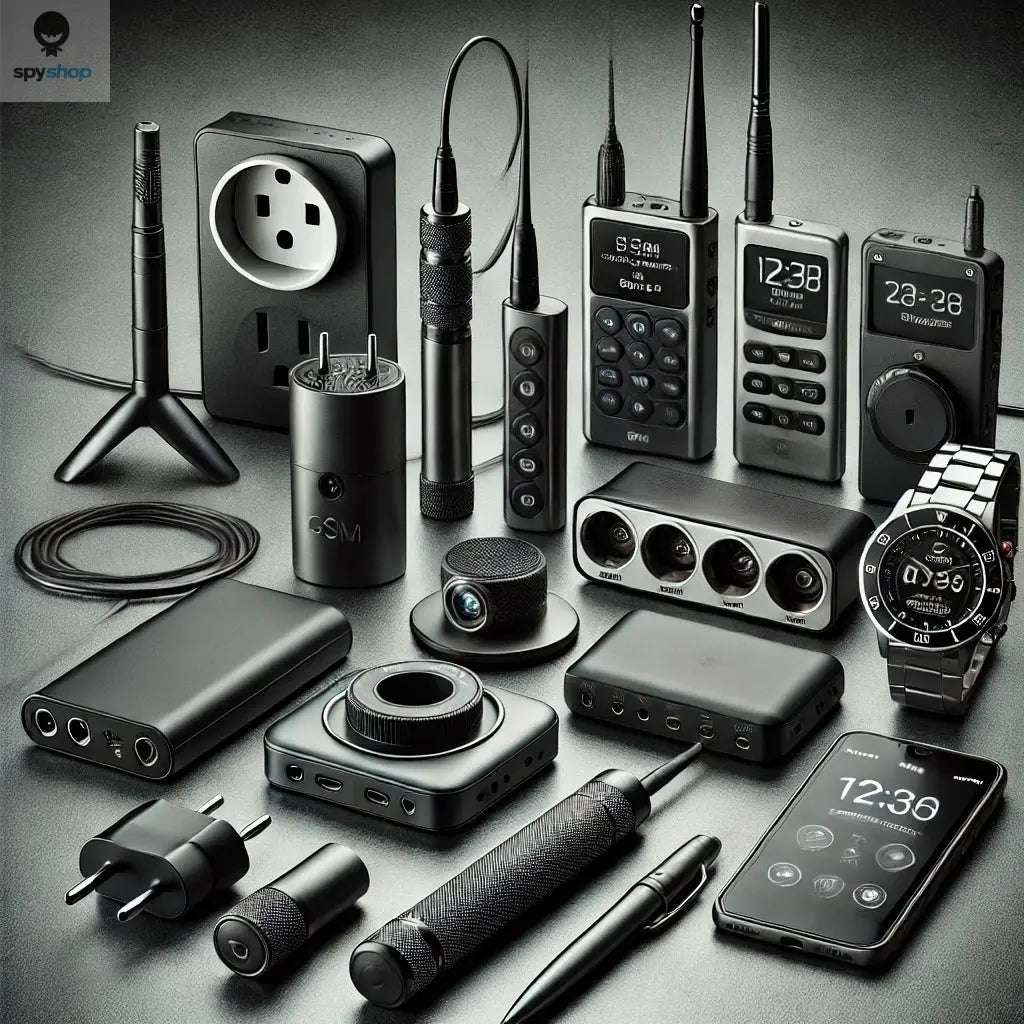
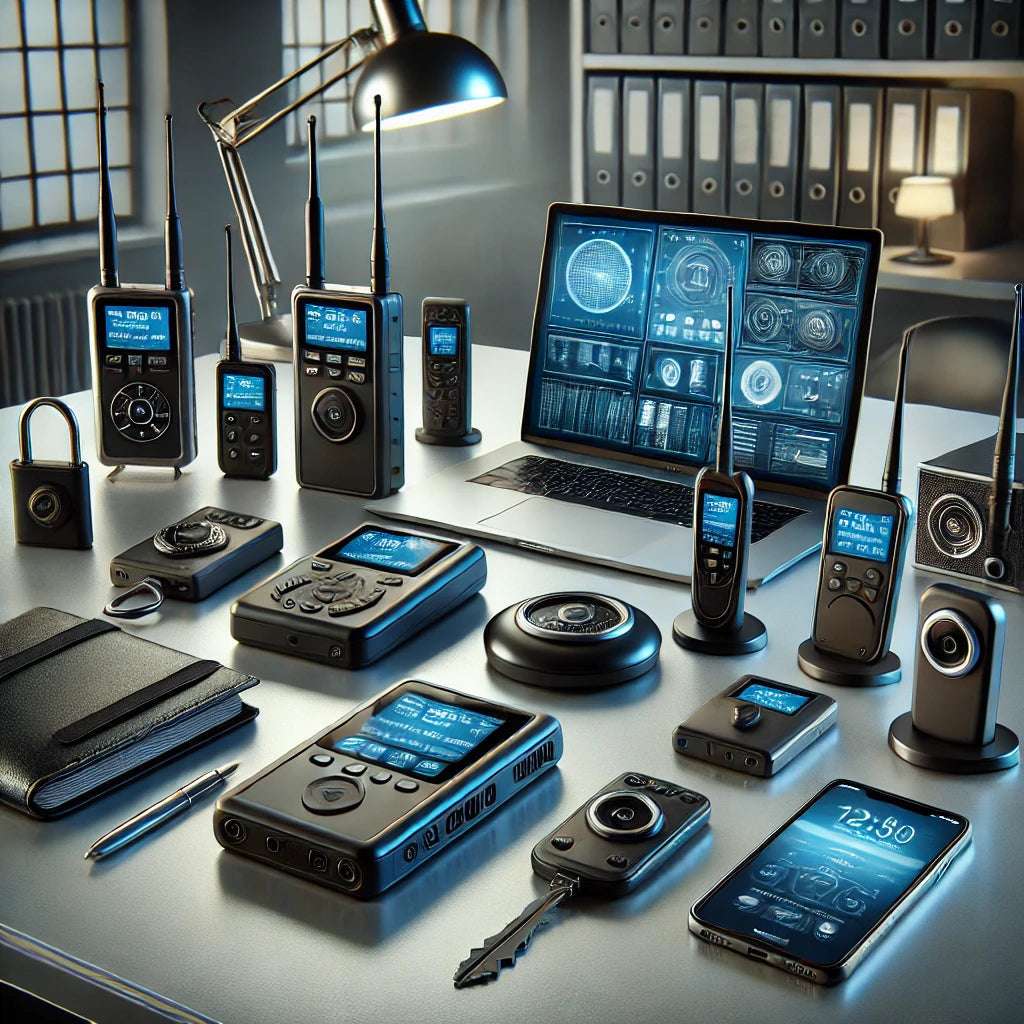
RF Bug Detectors
- Detect transmitting signals from GSM, Bluetooth, Wi-Fi, 3G, 4G, and 5G devices.
- Frequency display and source-location functions depend on the exact instrument and method. A basic signal-strength alarm does not automatically identify or locate a hidden device.
-
Handheld RF Detectors
- Portable and easy to use, ideal for personal or ad-hoc use.
- Detect wiretaps, hidden cameras, and GPS trackers.
-
Professional TCSM Equipment
- High-grade tools for thorough room, vehicle, or telephone sweeps.
FEATURES OF BUG DETECTORS
- Signal Detection: Identify transmitting signals across multiple frequencies (e.g., GSM, Wi-Fi, Bluetooth).
- Interpretation: follow the instrument instructions and understand ordinary radio activity, coverage and false positives. Serious inspection requirements may need qualified technical help.
- Versatility: Suitable for homes, offices, vehicles, and exam halls.
- Portable or Fixed Solutions: Choose from handheld devices or mains-powered systems for continuous monitoring.
COMMON USES
- Secure Sensitive Areas: Protect rooms used for confidential meetings.
- Monitor Exam Halls: Detect unauthorized phone use.
- Vehicle Sweeps: Identify GPS trackers and other bugs.
- Protect Communications: Secure phone lines for private calls.
- Prevent Unauthorized Recording: Detect hidden cameras and audio bugs.
- Legal Protection: Identify surveillance efforts aimed at acquiring sensitive or damaging information.
BUYER'S GUIDE
Counter surveillance devices are essential for anyone concerned about privacy or unauthorized monitoring. Whether you need to safeguard a sensitive meeting, protect your business, or simply put your mind at ease, these tools are easy to use and highly effective.
Choose the right tool for your needs:
- Basic RF Detectors: Affordable and straightforward, ideal for personal use.
- Advanced Models: Greater range and frequency detection for professional applications.
- Encryption Tools: For ensuring data security against third-party access.
TAKE CONTROL OF YOUR PRIVACY
Inspection tools can support a defined authorised check. Detecting a signal does not identify every device, disable it or establish that the space is private.
Related guide
For related background, read our How to Find Hidden Cameras in Your Home.
Related articles
- Home Security: Audio Devices and Counter-Surveillance
- Mobile Security: Antivirus and Device Protection
- Counter-Surveillance Privacy Protection: Tools and Information
Hidden Cameras and Listening Devices: Complete Detection Guide

Written by PRIVATE D.O.O. Pecek