gps trackers: 10 critical hiding mistakes homeowners and small businesses make
Many homeowners and small businesses consider gps trackers for vehicle security, asset tracking, or staff coordination, but hiding a tracker incorrectly creates legal, operational, and safety problems. This article explains the most common mistakes made when concealing gps trackers, compares concealment methods, outlines real-world decision logic, and offers a buyer-focused checklist to avoid compliance and performance failures.
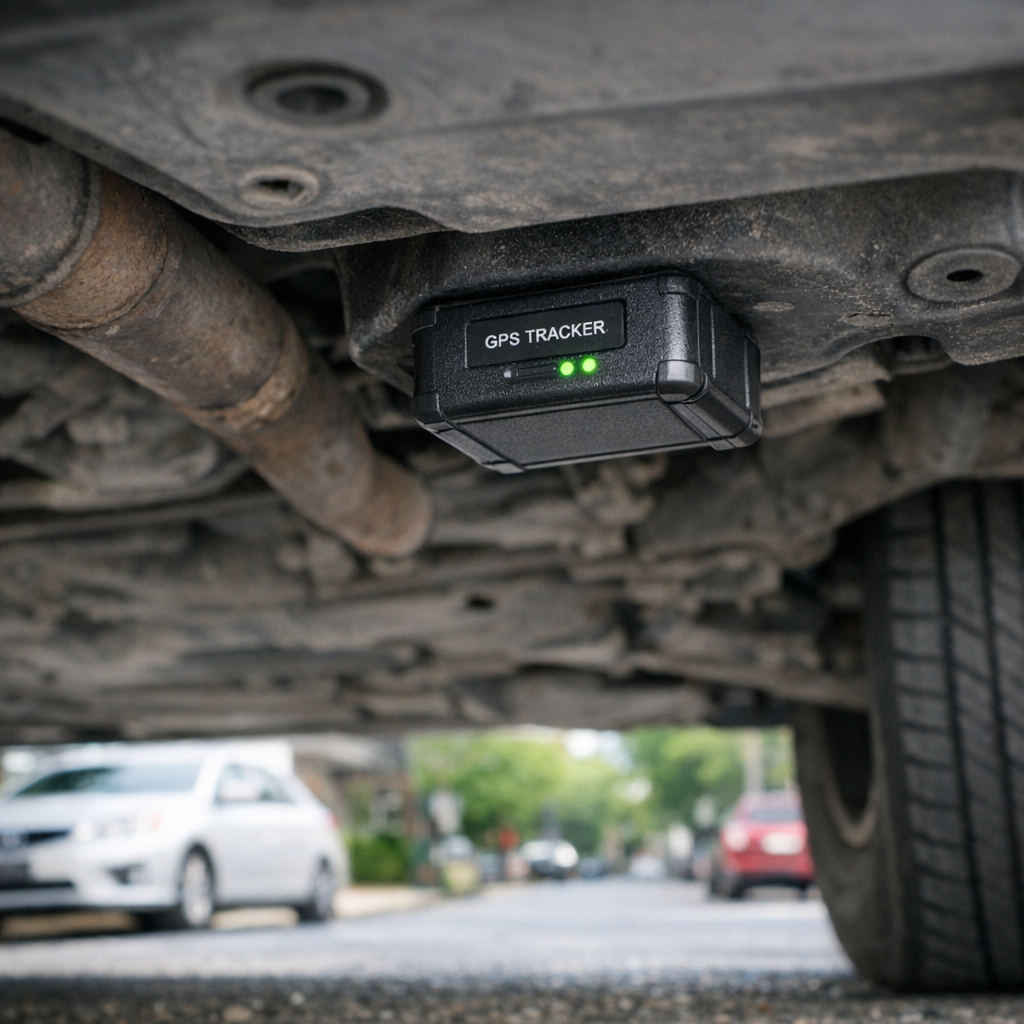
Common mistakes when hiding gps trackers
Concealment often begins with good intentions—preventing theft or monitoring company assets—but common errors quickly turn that intent into risk. Homeowners and small businesses frequently choose inaccessible locations without considering signal obstruction, battery access, or the legal boundaries for tracking other people’s property. Technical limitations of vehicle gps tracking devices, such as antenna orientation and GPS line-of-sight, are overlooked more often than they should be.
How gps trackers fail when concealed incorrectly
Most failures fall into three buckets: detection and tampering, signal degradation, and maintenance constraints. A tracker hidden inside a metal bumper or behind dense composite will suffer poor reception and intermittent real time gps updates. Conversely, a unit taped under a wheel well may be exposed to road spray and vibrations that reduce lifespan. Homeowners who tuck devices under upholstery to hide them from sight may block the device’s antenna and cellular transmitter, producing stale position data when accurate asset tracking is required.
Comparison: concealment methods and their pros and cons
Choosing where and how to hide a tracker requires weighing visibility, signal integrity, durability, and accessibility. Below is a structured comparison to guide decisions.
- Under chassis mounting — Pros: low visibility; decent GPS if antenna faces down and device rated for harsh conditions. Cons: subject to water, salt, impact; often difficult to access battery compartments.
- Inside glovebox or interior panel — Pros: protected from the elements; easy to reach. Cons: poor GPS reception, potential legal exposure if used to monitor others without consent.
- Magnetic external mounts — Pros: quick to install and reposition; often have strong signal. Cons: magnets can be found with a sweep; risk of theft or removal in public parking.
- Mounted on assets (tools, trailers) — Pros: straightforward asset tracking and theft recovery. Cons: small appliances and tools present concealment challenges and may reduce battery life if exposed to vibration.
Use-case scenarios and decision logic
Practical selection depends on the use case. For vehicle gps tracking intended to recover stolen cars, prioritize durable, weatherproof devices with hidden permanent mounts and tamper alerts. For short-term tracking of a delivery asset, lightweight battery devices with clearline-of-sight for real time gps may work better and minimize installation time. When monitoring company-owned equipment in a yard, choose devices with long battery life and attachment methods that resist casual removal.
For a homeowner concerned about a recurring parking location theft, the decision logic should weigh signal responsiveness versus maintenance: a hardwired unit with tamper alarm and cellular fallback gives faster alerts, but requires professional installation and adherence to privacy regulations. Consider consulting best-practice guides on continuous tracking and technical setup Read the complete GPS Trackers guide .
Scenario: short-term covert recovery vs. long-term fleet management
A short-term covert recovery operation needs portability and strong real time gps updates; concealment can be temporary and prioritized for quick access. Fleet management requires permanent, tamper-resistant installations and consistent power solutions; concealment should not obstruct diagnostics or compliance monitoring.
Practical examples and common mistakes
- Example 1 — Under-bumper install with no weatherproofing: A small business owner attached a consumer tracker under a delivery van without sealing connectors. Salt and rain corroded contacts, causing intermittent reporting and loss of historical trip data.
- Example 2 — Inside a metal cargo box: A homeowner hid a device in a locked metal box on a trailer. GPS reception worsened dramatically, making asset tracking unreliable after the trailer entered wooded areas.
- Example 3 — Weakly secured magnetic mount: A contractor used a cheap magnet to attach a tracker to equipment. The device fell off, delaying recovery and adding replacement costs.
- Common mistake — Ignoring tamper notifications: Users often disable or neglect tamper alerts to reduce noise, which eliminates an early warning that someone is trying to remove a tracker.
- Common mistake — Overlooking battery access: Concealing a battery-powered tracker where you cannot open the case means missed maintenance windows and expired batteries during critical moments.
Buyer guide: evaluating trackers to avoid concealment errors
When selecting a device, evaluate these criteria in order: power strategy (hardwired vs. replaceable battery), ingress protection rating (IP67 or higher for external mounting), antenna design for weak-signal environments, tamper and movement alerts, and data latency for real time gps needs. For vehicle gps tracking, insist on devices that support CAN-bus or ignition detection for accurate mileage and ignition events. For asset tracking, battery life and attachment method are paramount.
Check certification and regional cellular compatibility, as a tracker that works on one carrier may fail in another jurisdiction. If you plan to conceal in metal enclosures, choose models with external antenna options or cellular repeaters to maintain data flow Browse GPS Trackers.
Legal and ethical considerations for hiding gps trackers
Hiding gps trackers raises legal and ethical boundaries that differ between jurisdictions. In the United States, laws vary by state: tracking your own property is generally legal, but attaching a device to someone else’s vehicle without consent can be a felony. In the European Union, data protection rules such as the GDPR can apply if tracking collects personal data about identifiable individuals; businesses must have a lawful basis and disclose necessary information in many cases. These are high-level observations, not legal advice—consult a qualified attorney for specific situations.
Operationally, maintain written policies for any tracking program in a small business: who can authorize trackers, retention periods for location data, and procedures for responding to data subject access requests. When tracking employees in company vehicles, document legitimate business interests, minimize data collection, and provide transparent notice to avoid privacy complaints. For homeowners, avoid tracking neighbors’ vehicles or guests without explicit consent; lawful entry into a property does not automatically permit continuous location monitoring of individuals.
Frequently Asked Questions
Q: Is it illegal to hide gps trackers on someone else’s car?
A: Laws vary, but in most US states and EU countries placing a tracker on another person’s car without consent can be a criminal offense or civil violation.
Q: What is the best place to hide a tracker on a vehicle?
A: The best location balances concealment and signal: underbody mounts with weatherproofing and antenna orientation, or interior panels with external antenna options; avoid fully metal enclosures that block reception.
Q: How often should battery-powered asset trackers be serviced?
A: Service intervals depend on reporting frequency; devices transmitting frequent real time gps updates may need replacement or charging every few weeks, while low-report devices can last months.
Q: Can I install a tracker myself for vehicle gps tracking?
A: Yes for many devices, but hardwired installations and CAN-bus integrations are best handled by a professional to avoid electrical damage and ensure tamper detection works.
Q: How do I choose between real time gps and periodic report trackers?
A: Choose real time gps when you need immediate location updates for recovery or active monitoring; select periodic reporting for long-term asset tracking where battery life and lower data costs are priorities. Further technical comparisons are available in our real-time tracking resources Discreet solutions.
Educational closing
Concealing gps trackers requires a balance of technical knowledge, legal awareness, and practical logistics. Avoid the ten critical mistakes outlined here by selecting the right device for the use case, planning for maintenance and tamper detection, and following local laws and company policies. Thoughtful selection and installation maximize the benefits of vehicle gps tracking and asset tracking while minimizing exposure to legal and operational failures.