
Mini Cameras: Legal Limits for Hiding Cameras Indoors (Home & Small Business)
Mini cameras are small, effective tools for monitoring property, but hiding them indoors triggers specific legal limits homeowners, short-term rental operators, and small-business owners must respect. This guide explains where hidden recording is lawful, what differentiates a permissible discreet camera from an unlawful intrusion, and how to choose devices and policies that reduce legal risk Read the complete Mini Cameras guide . It focuses on clear decision steps rather than vague advice, helping buyers evaluate technology with compliance in mind.
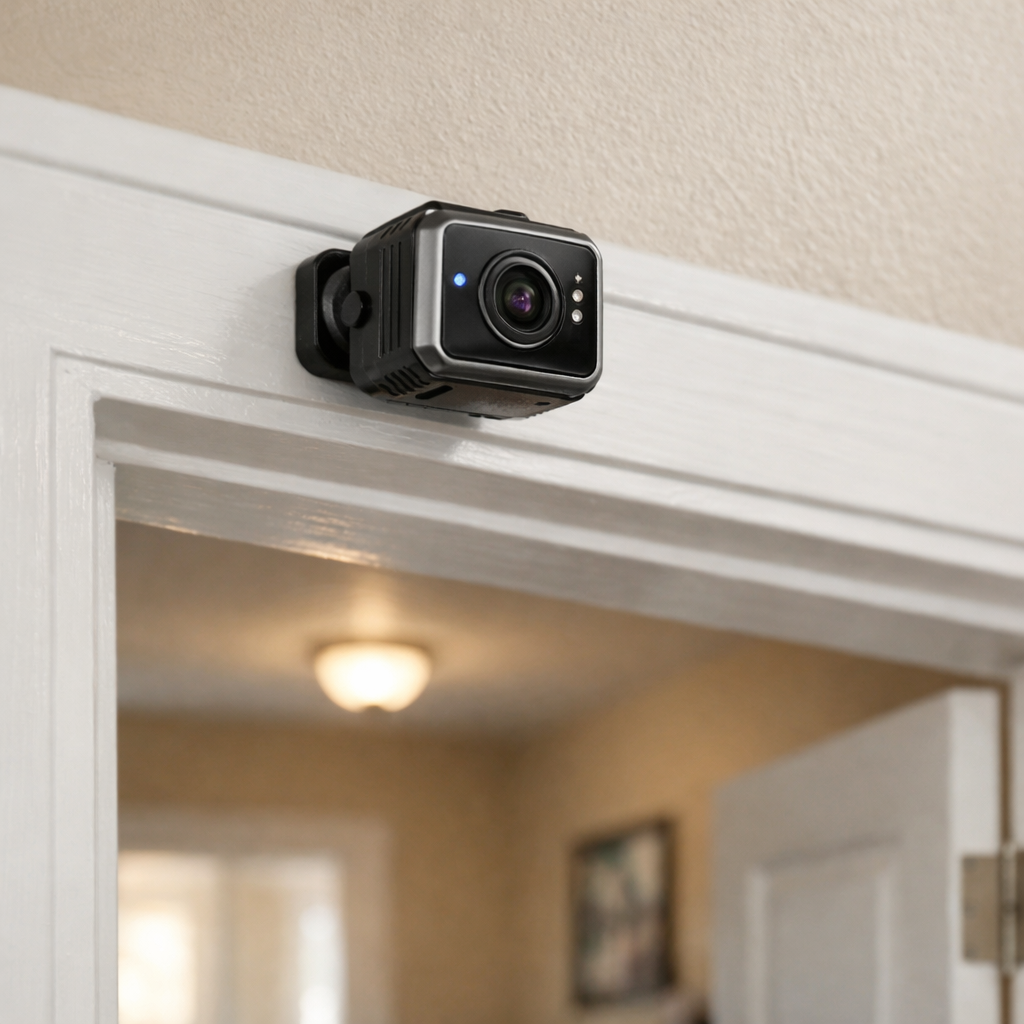
Legal boundaries for mini cameras in residences, rentals, and workplaces
When evaluating mini cameras for indoor use, the chief legal concepts are expectation of privacy, consent, and audio-recording statutes. Expectation of privacy typically protects bathrooms, changing areas, and private sleeping spaces; placing a hidden camera there is almost always unlawful. Consent requirements vary: in many US states, a single party may consent to audio recording, but other states and the EU treat audio more strictly. For landlords and hosts, surveillance in common areas may be permitted when disclosed, but recording inside a tenant's private room without consent is a serious legal risk. Employers can lawfully monitor some areas for security, but hidden cameras that record employees in restrooms, locker rooms, or private offices without notice can violate labor and privacy laws.
How mini cameras compare legally to other hidden cameras and small security cameras
Not all compact devices carry the same legal weight. A visible small security camera mounted in a public hallway signals notice and is more defensible than a concealed hidden camera placed inside a smoke detector or clock. Discreet cameras intended to be undetectable often raise the strongest legal objections because they remove informed consent. When comparing devices, consider purpose, visibility, and recording features: a wired, visible camera with signage and no audio has a clearer compliance path than a battery-powered hidden camera with continuous audio capture. Use this comparison when making procurement decisions, and consult institutional policies if you manage multiple properties Browse Mini Cameras.
Use-case scenarios and decision logic for choosing hidden or discreet cameras
Practical scenarios clarify boundaries. Scenario A: a homeowner wants theft deterrence in a living room. A visible small security camera near the entrance, with microphone disabled and a privacy policy for visitors, is the lower-risk option. Scenario B: a short-term rental host worried about damage in a shared entryway can use a visible mini camera focused only on the doorway and disclose monitoring in the listing and on-site instructions. Scenario C: a small business owner wanting to prevent inventory loss should avoid concealed cameras in employee-only spaces; instead, install visible cameras in public sales areas and keep written policies on monitoring. In each scenario, the decision logic favors transparency, minimal data capture, and location choices that avoid private spaces.
Buyer guide: evaluating discreet cameras for lawful indoor use
When selecting a discreet camera, prioritize features and policies that mitigate legal risk. Key evaluation criteria include:
- Placement suitability — Choose devices that will be installed where occupants do not reasonably expect privacy.
- Audio control — Prefer cameras where audio recording can be disabled or automatically omitted; audio increases statutory complexity.
- Visibility options — Evaluate whether a slightly more visible form-factor would satisfy security needs while improving legal defensibility.
- Data security — Encryption of stored and transmitted footage, secure authentication, and clear retention policies reduce liability from breaches.
- Recording and retention settings — Short retention periods and motion-activated recording limit unnecessary continuous capture.
- Power and logging — Devices that log access and changes support compliance audits.
- Manufacturer transparency — Documentation about intended use and safety features helps demonstrate due diligence.
Procurement mistake to avoid: selecting a tiny, concealable model because of size alone. Smaller is not safer legally. Choose the least intrusive device that meets your security objective. For device comparison and use-case examples, refer to our broader product overview Discreet solutions.
Common mistakes in buyer selection and installation
- Placing mini cameras where privacy is expected (bathrooms, bedrooms) because of perceived security benefits.
- Enabling microphone capture without checking local wiretapping and consent laws.
- Failing to notify tenants, employees, or visitors when monitoring is required by law.
- Keeping footage indefinitely without a documented business purpose or retention schedule.
- Ignoring device security, which can turn lawfully collected footage into a data-breach liability.
Practical examples and real-world decision checklists
Example 1 — Homeowner concerned about packages: install a visible mini camera pointed at the front door, disable audio, post a household camera notice near the entrance, and configure motion-triggered clips retained for 14–30 days.
Example 2 — Short-term rental host: use visible cameras only for common entrances, disclose monitoring in the listing and in a welcome packet, and never place cameras inside guest suites or inside units.
Example 3 — Retail manager: deploy visible small security cameras covering sales floors, adopt an employee-monitoring policy, and consult state guidance on workplace surveillance before using concealed devices.
Legal & ethical considerations (EU and US overview, non-legal advice)
EU: Data protection authorities treat camera footage as personal data. General principles under GDPR include lawfulness, purpose limitation, data minimization, and information for data subjects. CCTV and discreet monitoring require a lawful basis; where monitoring is intrusive, obtaining explicit consent or demonstrating legitimate interest with impact assessments may be necessary. Technical measures such as masking, minimal retention, and strict access controls are recommended.
US: Law varies by state. Expectation of privacy and consent rules are central. Audio recording is covered by one-party or two-party consent laws depending on jurisdiction. Federal law addresses interception but states often have stricter statutes. Employers must also consider labor regulations and collective bargaining agreements. Regardless of location, ethical practice favors transparency, minimizing data collection, and implementing clear policies and signage when feasible.
Non-legal advice: document your decisions. A written rationale that states purpose, placement, retention, and access rules helps demonstrate that you considered privacy and compliance when selecting and installing mini cameras.
Frequently Asked Questions
Q1: Are mini cameras legal inside my rental property without tenant consent?
A1: Generally no for private rooms; consent and disclosure requirements apply. Use visible cameras in common areas only and document notice to tenants.
Q2: Can I record audio with a discreet camera for security incidents?
A2: Audio laws differ; in many places recording audio without consent is illegal. Disable audio unless you have checked jurisdictional rules and obtained any required consents.
Q3: Is a visible small security camera safer legally than a hidden camera?
A3: Yes—visibility supports notice and consent expectations, reducing legal risk compared with concealed devices that remove the opportunity to consent.
Q4: How long should I retain footage captured by mini cameras?
A4: Retain footage only as long as necessary—for most routine security uses 14–30 days is reasonable; extend retention when footage is needed for investigations and document why.
Q5: Do privacy laws require me to encrypt camera footage?
A5: Some regulations or best practices recommend or require reasonable security safeguards. Encryption is a strong technical measure to reduce liability from unauthorized access.
Closing summary: Choosing and installing mini cameras for indoor use demands a balanced approach that prioritizes lawful placement, limited capture (especially of audio), clear notification where required, and robust data security. Use the decision checklists above to align device selection with risk reduction rather than maximum concealment. Where rules are unclear, prefer transparency and documented policies, and consult a local privacy professional for case-specific legal advice.