
Hidden Cameras in Public: Privacy and Legal Questions
Hidden cameras in public: when is it acceptable? This question often arises as surveillance technology becomes more accessible and widely used. While public spaces may seem like open arenas for recording, the legality of hidden cameras hinges on privacy laws, consent, and reasonable expectations of privacy. Understanding these nuances can protect you from legal pitfalls and ensure your surveillance practices respect individual privacy rights. This guide will break down when and how hidden cameras can legally be used in public settings in 2024, keeping you informed and compliant.

Understanding the Legal Framework: Hidden cameras in public: when is it acceptable?
Definition and Scope of Hidden Cameras
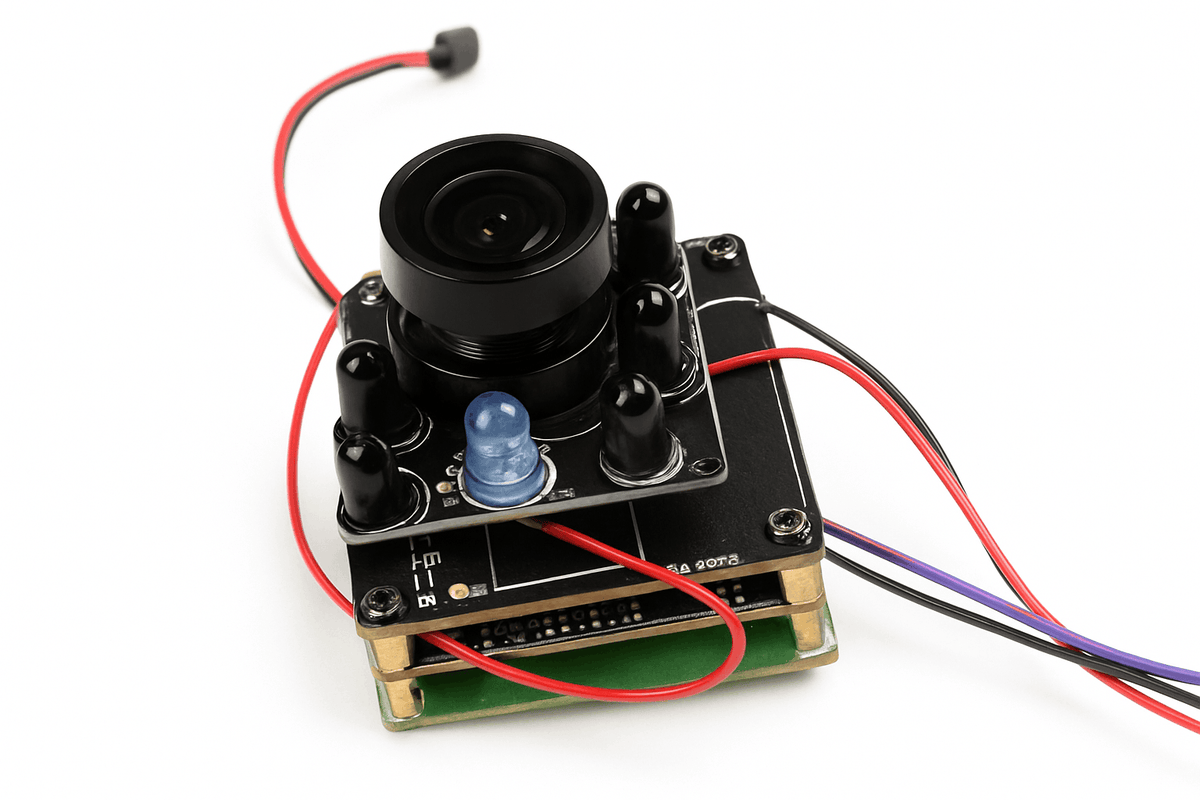
Hidden cameras are surveillance devices deliberately concealed to record video (and sometimes audio) without visible indication of their presence. In public spaces, these devices can capture unsuspecting individuals, raising questions about privacy and legality.
Legal Principles Governing Hidden Cameras in Public
At the heart of legal considerations is the "expectation of privacy" standard. Generally, individuals have a reduced expectation of privacy in public places such as streets, parks, and malls. This means the use of hidden cameras in these areas is often permissible. However, laws vary by jurisdiction and may impose restrictions depending on factors like:
- Whether audio is being recorded along with video.
- The nature of the public place (e.g., transit stations vs. public restrooms).
- Purpose of surveillance (security vs. voyeurism).
- State and local consent and notification requirements.
Privacy Boundaries: Where Hidden Cameras Cross the Line
Public vs. Private Spaces
While public spaces generally have limited privacy protections, places such as public restrooms, changing rooms, and certain indoor spaces (e.g., cafes, library rooms) may fall into semi-private categories. Recording in these locations often violates privacy laws even if they are technically open to the public.
Expectation of Privacy and Its Legal Impact
The expectation of privacy plays a critical role in determining legality. For example, a city park is a legitimate location for surveillance due to the lower privacy expectation, but recording inside a restaurant's restroom or locker room—even though accessible to the public—is illegal and prosecutable under privacy invasion laws.
Consent and Notification: Essential Legal Requirements
Consent Laws Across States
Consent requirements vary widely, especially when audio is involved. Some jurisdictions require one-party consent for recording conversations, while others demand all parties agree. Without proper consent, recording audio clandestinely can lead to criminal charges even in public settings.
Signage and Notification
Even where hidden cameras are legal, posting visible notice that recording is taking place is often recommended or required. Public notice supports transparency and reduces legal exposure. For example, surveillance in public transit hubs typically includes signage to inform the public of video monitoring.

Common Legal Uses of Hidden Cameras in Public
Security and Crime Prevention
Law enforcement agencies and private businesses commonly use hidden cameras in public venues to deter crimes such as theft, vandalism, and public disturbances. Their use is generally accepted and often legally protected when deployed responsibly and with clear objectives.
Investigations and Evidence Gathering
Hidden cameras may be employed during investigations by law enforcement or authorized individuals. Such use often requires following strict rules, including obtaining warrants or adhering to specific procedural guidelines to ensure evidence is admissible and privacy rights are not breached.
Risks and Legal Consequences of Improper Use
Privacy Violations and Lawsuits
Using hidden cameras improperly can lead to lawsuits, fines, or criminal prosecution. Recording in places where people have an expectation of privacy, secretly capturing audio without consent, or using footage for illicit purposes are common legal pitfalls.
Examples of Illegal Practices
- Installing hidden cameras in public restrooms or dressing rooms.
- Recording private conversations at a café without consent.
- Using footage obtained unlawfully for blackmail or harassment.
Best Practices for Using Hidden Cameras Legally in Public
Maintain Transparency and Follow Laws
When using hidden cameras in public, always research local and state laws. Ensure compliance with consent requirements and avoid areas where privacy expectations are high. Posting clear signs about surveillance, even for hidden cameras, can prevent legal issues.
Limit Audio Recording and Purpose Clearly
Minimize or disable audio recording unless absolutely necessary and legally permitted. Define the purpose of your surveillance clearly, such as security or safety, and avoid invasive practices that could harm individuals' privacy.
Resources for Staying Compliant and Informed
Consult Legal Experts
Privacy laws surrounding hidden cameras are complex and frequently updated. Consult with legal experts to ensure your surveillance plans comply with relevant laws.
Utilize Trusted Products and Services
Choose reputable surveillance products that include compliance features like audio disable options and clear notification settings. Consider professional security services that offer legal guidance alongside camera installations.
In conclusion, understanding hidden cameras in public: when is it acceptable? involves dissecting privacy expectations, consent laws, and appropriate use cases. Use hidden cameras responsibly by prioritizing transparency, respecting privacy boundaries, and staying updated on legal requirements. To protect yourself and others, always consult experts and leverage trusted products designed with legal compliance in mind. Explore deeper into surveillance laws and privacy rights to ensure your next hidden camera setup is both effective and lawful.
Related guide
For related background, read our Mini Cameras: WiFi, Battery and Local Recording Guide.

Written by PRIVATE D.O.O. Pecek


