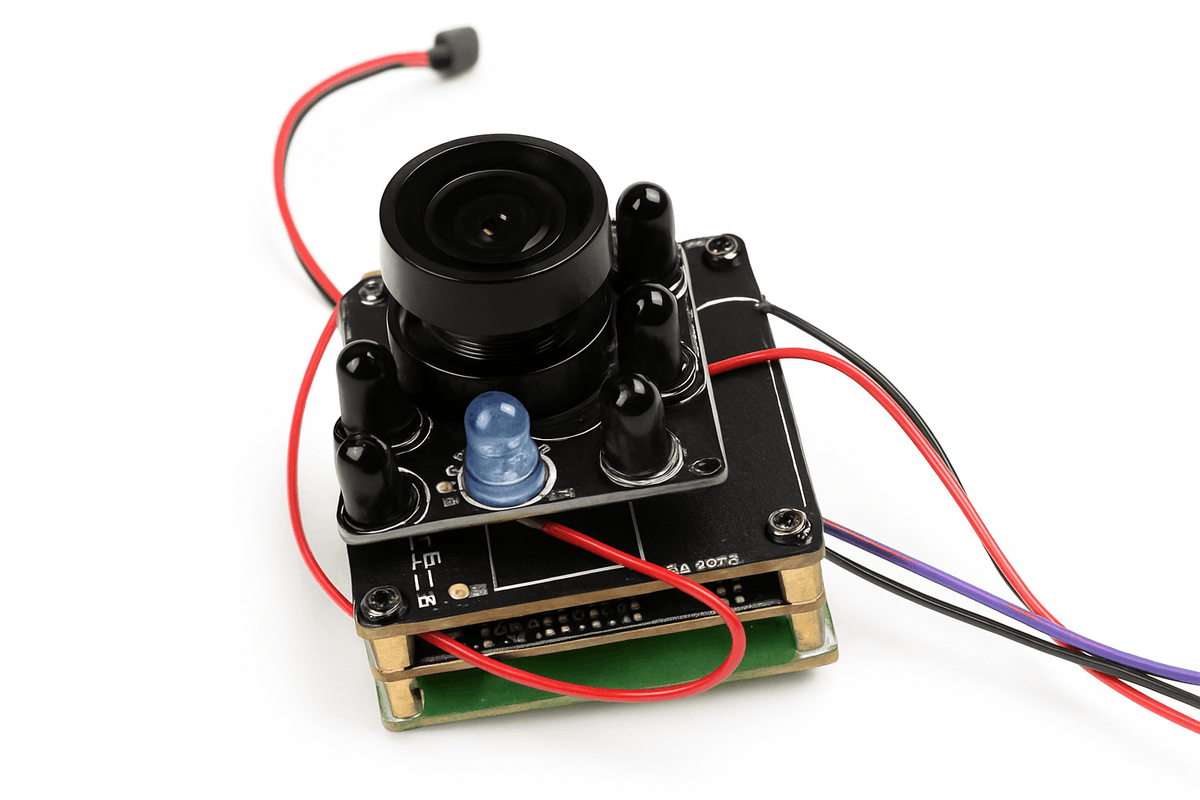
Spy Device Misuse: Privacy Risks and Detection
Spy Device Misuse: review common surveillance-device misuse, privacy risks and ways to investigate possible unauthorized monitoring.

Spy Device Misuse: Key Considerations
The most common misuses of spy devices revolve around unauthorized surveillance, often invading personal privacy in homes or offices without consent. If you suspect that hidden listening devices might be spying on your conversations, knowing how to detect and locate them fast is crucial for protecting your privacy. This article explores the typical misuses of spy devices, the places where they are usually hidden, and practical detection methods you can apply immediately to regain control over your personal space.
The most common misuses of spy devices
Privacy violations in homes and offices
Spy devices, particularly listening bugs, are often misused in places where privacy is expected most—residences and workplaces. Common abuses include secret monitoring by unscrupulous landlords, jealous partners, or corporate espionage aimed at gaining an unfair advantage. These devices record or transmit private conversations, putting personal and professional information at risk.
Illegal surveillance and stalking
Some individuals use hidden listening devices as tools for stalking or harassment, persistently eavesdropping on victims without their knowledge. These unauthorized devices can cause emotional distress and accomplish illicit monitoring, often leading to criminal investigations when discovered. Understanding these misuses highlights why quick detection is essential.
Where are spying devices usually hidden?
Common hiding spots at home
Spy devices are designed to blend in seamlessly within everyday objects. Typical locations include:
- Electrical outlets and power strips
- Smoke detectors and carbon monoxide alarms
- Clocks, lamps, and household electronics
- Behind picture frames or inside decorative items
- Within USB chargers or phone charging cables
These items provide power or camouflage, making them ideal for housing hidden microphones or transmitters.
Office and vehicle hiding spots
In workplaces, spy devices might be concealed in office equipment such as printers, computers, or conference room fixtures. Vehicles can also be bugged, with devices hidden under seats, beneath dashboards, and within engine compartments. Knowing these spots allows you to focus your search effectively.
How to perform a thorough physical inspection
Systematic method for searching hidden bugs
Start by turning off all non-essential electronics to minimize background noise and interference. Visually inspect suspicious objects, looking for tiny holes or lens reflections that could indicate microphones or cameras. Pay extra attention to items that seem out of place or recently altered.
Using tools to aid your inspection
Besides manual inspection, simple tools can make a difference. A flashlight helps reveal reflective surfaces inside small holes, while a mirror taped onto a stick can help you see behind fixtures or inside vents. Don’t forget to check battery compartments and wiring for unusual modifications.
Electronic detection methods for hidden listening devices
Radiofrequency (RF) scanners and detectors
An RF alert needs interpretation: legitimate transmitters also cause readings. Encryption does not itself hide an emission from RF detection. Inactive, intermittent, wired or local-recording devices, unsupported frequencies and weak signals may be missed.
Listening device detector apps
Phone apps can assist limited visual or authorised network checks, but a normal phone does not contain a general-purpose broadband RF receiver. Magnetic-field readings and infrared observations cannot reliably identify or exclude hidden microphones. Avoid treating an app result as proof.
Signs that may indicate a hidden listening device
Audible and visual clues
Battery drain, electrical use, noise, flickering or slow Wi-Fi have many ordinary causes. These symptoms alone cannot establish covert monitoring. Investigate specific observations calmly and avoid drawing conclusions about a person without evidence.
Electrical and environmental anomalies
Battery drain, electrical use, noise, flickering or slow Wi-Fi have many ordinary causes. These symptoms alone cannot establish covert monitoring. Investigate specific observations calmly and avoid drawing conclusions about a person without evidence.
Immediate actions upon finding a spy device
Safety-first approach
Never touch or disturb the suspected device as this could alert the operator or destroy valuable forensic evidence. Instead, document its location discreetly and leave the area if you feel unsafe.
Report to authorities and protect you privacy
Discuss sensitive information elsewhere and seek appropriate advice. White noise cannot guarantee that microphones are unable to record intelligible speech. Radio jamming is a separate activity that may be prohibited and should not be used as a general response.
Preventative measures to avoid future spying
Invest in home and office security systems
Install trusted security cameras and alarm systems to deter invasions and ensure you have control over surveillance equipment in your environment. Modern systems often come with tamper alarms for suspicious activity.
Regularly monitor your environment
Conduct periodic scans using RF detectors or professional bug sweeping services, especially after hosting guests or experiencing trust issues. Keep your networks secured with strong passwords to prevent unauthorized access.
In conclusion, understanding the most common misuses of spy devices highlights the importance of knowing how to detect hidden listening devices quickly and effectively. From physical inspections to electronic detection methods, being vigilant and informed helps protect your privacy and security in both home and office environments. To stay safe, consider regular monitoring, invest in security solutions, and consult professionals when needed. Explore advanced detection tools and secure your surroundings proactively to prevent unauthorized surveillance.
Related articles

Written by PRIVATE D.O.O. Pecek