Mini camera placement for homes and small businesses: maximizing image quality, field of view, and evidence value
Mini camera placement directly determines image clarity, usable field of view, and ultimately the value of footage as video evidence; homeowners and small businesses must plan placement to balance discreet monitoring with technical limits and legal boundaries. Read the complete Mini Cameras guide
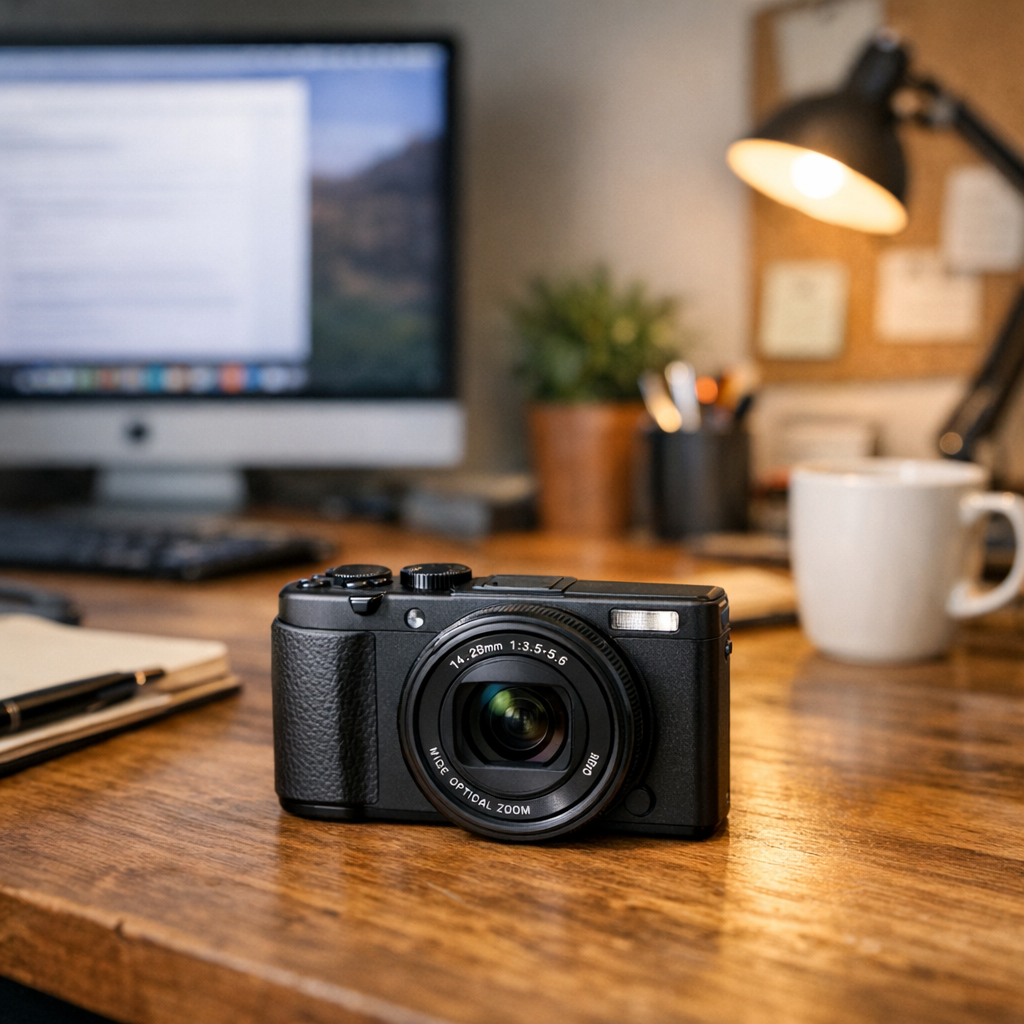
mini camera placement: how position affects image quality and field of view
Where you place a mini surveillance camera changes how much of a scene is captured and how clearly events appear. Small lenses have fixed optics: distance to subject, sensor size, and lens focal length interact to determine sharpness across the frame, depth of field, and distortion. A camera mounted too close will produce a narrow field of view with exaggerated perspective; too far and critical detail such as faces or license plates becomes unreadable. Consider camera angle and mounting height: placing a device at eye level for its intended subjects often yields natural proportions and better facial detail, while ceiling-mounted positions maximize coverage but can reduce identification-quality detail unless the optics are suitable.
Sensor, lens, and distance trade-offs
Mini cameras with small sensors need adequate light to produce low-noise images. Lens focal length sets the nominal field of view; wide-angle lenses deliver broad coverage but make subjects smaller and add barrel distortion, which can reduce the evidentiary usefulness of footage. When evaluating placement, measure the expected distance to primary subjects and check the manufacturer’s recommended recognition and identification ranges. If your priority is recording quality for identification, choose locations that place primary targets within the camera’s identification range rather than maximizing coverage at the expense of detail.
mini camera placement and lighting: optimizing exposure, dynamic range, and low-light performance
Lighting conditions at the chosen location are among the strongest determinants of recording quality. A well-positioned mini camera in consistent, even light will yield far cleaner footage than the same device in shadow or direct backlight. Avoid pointing cameras directly toward bright windows or light sources; backlit scenes force the sensor to expose for the bright area, rendering foreground subjects in silhouette. Instead, place cameras to take advantage of ambient, balanced illumination, or use supplementary light sources that do not create glare or obvious hotspots.
Low-light capability varies widely across models. Infrared-capable mini surveillance camera units offer useful nocturnal coverage, but IR reflects differently across materials and can make faces harder to interpret. When discreet monitoring must extend into dim conditions, position the device where ambient street lighting or indirect interior lighting is consistent, and test recordings at night to confirm readable results.
Comparing placement scenarios: pros, cons, and evidence outcomes
Choices about mounting surfaces and angles create predictable strengths and weaknesses. Here are common scenarios and their practical outcomes for recording quality and video evidence.
- High corner of a room (ceiling angle): maximizes field of view and situational awareness; pros include broad coverage and lower risk of tampering. Cons: faces and license plates may be too small for identification unless camera resolution and optics support it.
- Eye-level, near-entry points: optimizes facial recognition and interaction capture; pros include better identification and context for incidents. Cons: more likely to be noticed and may raise privacy concerns in certain spaces.
- Concealed in fixtures (clocks, smoke-detector housings): supports discreet monitoring for security investigations; pros include unobtrusiveness. Cons: legal and ethical boundaries must be considered; image quality can suffer if the hiding location restricts angle or light.
- Outdoor eaves and soffits: provide broad exterior coverage and are harder to access. Cons: exposure to weather, changing light, and longer distances that reduce detail.
Recording quality vs. discreet monitoring
There is an inherent tension between discreet monitoring and achieving high recording quality. Concealment often limits lens positioning and creates unpredictable lighting. Where video evidence is likely to be needed—for example, entryways or transaction counters—favor visibility or clearly visible deterrence with proper signage rather than hiding a device that may not capture usable detail. For investigative or sensitive internal monitoring, design placements that balance discretion with technical constraints and legal compliance.
Use cases and decision logic: choosing placement by objective
Define the primary objective before selecting a location. Is the main goal theft deterrence, customer interaction documentation, remote monitoring of deliveries, or gathering video evidence after a dispute? Each goal points to different placement logic.
- Theft deterrence: visible cameras near entrances and high-traffic areas deter misconduct but may reduce stealth. Combine visible deterrence with overlapping coverage from less obvious devices if legally appropriate.
- Evidence collection after incidents: prioritize angles that capture faces, hands, and transaction points. Place cameras at mid-height aimed slightly down to reduce occlusions and to optimize facial geometry for identification.
- Remote property monitoring: wide-angle exterior placements can capture motion across approaches; pair with selective zoom-capable units or multiple fixed placements to improve detail when needed.
Practical decision logic: map critical zones, rank them by the quality of evidence required, and assign camera positions to ensure primary zones fall within the device’s recommended identification range. Use overlapping coverage where a single placement cannot meet both field-of-view and detail requirements.
Buyer guide: evaluation criteria and common placement mistakes
When selecting a mini surveillance camera for a specific placement, evaluate these criteria: sensor size and resolution, lens focal length and field of view, dynamic range (WDR), low-light sensitivity, housing and mounting options, and whether the form factor allows the intended discreet or visible placement. Consider power and connectivity constraints—battery-operated units may enable flexible placement but limit continuous recording and can complicate video evidence chains.
Common mistakes include mounting too high for identification, placing cameras where backlight overrides subjects, concealing devices in locations that violate privacy expectations, and assuming higher megapixels alone guarantee usable detail. Test potential positions with trial recordings at the times when incidents are most likely to occur to confirm both image quality and coverage.
Practical examples and common mistakes
Example 1 — Small retail counter: A single ceiling camera produced wide coverage but blurred transaction details; the fix was to add a mid-level camera at the counter focused on the exchange area to capture faces and hands, improving recording quality for evidence.
Example 2 — Residential front door: A doorbell-style mini surveillance camera installed in a recessed doorway produced dark, underexposed faces during daytime because of backlighting; repositioning to a side angle and using HDR-capable hardware corrected exposures and improved facial detail.
Common mistake — over-reliance on concealment: Hiding a camera inside décor without testing often results in poor angles or obstructed lenses. Concealment should never compromise the primary evidence objective.
Legal and ethical considerations (U.S. and EU high-level)
Placement choices must respect privacy laws and consent requirements. In most U.S. jurisdictions, recording in public-facing areas is lawful, but audio recording without consent can be restricted at the state level. In the EU, data protection rules such as GDPR apply when surveillance captures identifiable individuals: operators must have a lawful basis for processing, provide notice where appropriate, and minimize data collection to necessary footage. Avoid placing mini cameras where there is a reasonable expectation of privacy—bathrooms, changing rooms, or private living areas of tenants—unless explicit legal authority exists. When cameras are used in workplaces or multi-tenant dwellings, transparent policies and notice help manage legal risk and maintain trust. This guidance is high-level and not a substitute for legal advice in specific cases.
Frequently Asked Questions
Q1: How close should a mini surveillance camera be to capture usable facial detail? A1: Aim to place subjects within the device’s manufacturer-specified identification range; mid-height placements about 1.5–2.5 meters from faces often work well for compact lenses.
Q2: Does hiding a camera reduce recording quality? A2: Often yes—hiding can limit angle, cause obstructions, and reduce light reaching the lens; concealment must be balanced with technical and legal requirements.
Q3: What lighting adjustments improve low-light recordings? A3: Choose cameras with good low-light sensitivity or IR, position to use existing ambient light, avoid backlight, and test at night to confirm usable detail.
Q4: Can I place mini cameras in common areas of a rented property? A4: Common areas may be monitored, but tenant privacy rights and local laws vary; provide notice and avoid private spaces to reduce legal risk. Browse Mini Cameras
Q5: How do I ensure recorded footage holds up as evidence? A5: Ensure clear subject framing, timestamped recordings, secure storage with integrity controls, and adherence to chain-of-custody practices in line with local regulations.
Educational closing
Effective mini camera placement is a technical and ethical exercise: select positions that meet the recording objectives, prioritize lighting and camera angle to preserve detail, and respect legal boundaries that protect privacy. Use systematic testing—day and night—to confirm that a chosen placement produces the required recording quality and field of view. For broader strategy on devices and discreet recording considerations consult related resources for placement patterns and device specifications. Discreet solutions