

Mini cameras for homes and small offices: why discreet cameras fail with poor placement
Mini cameras are increasingly chosen by homeowners and small business owners for discreet monitoring, but the devices themselves do not fail as often as placement decisions do; poor placement undermines image quality, legality, and the very discretion these devices promise. This article explains how placement creates blind spots, increases detectability, and exposes operators to compliance risk, and it offers practical decision logic for where to mount or conceal small security cameras to reduce failure modes.
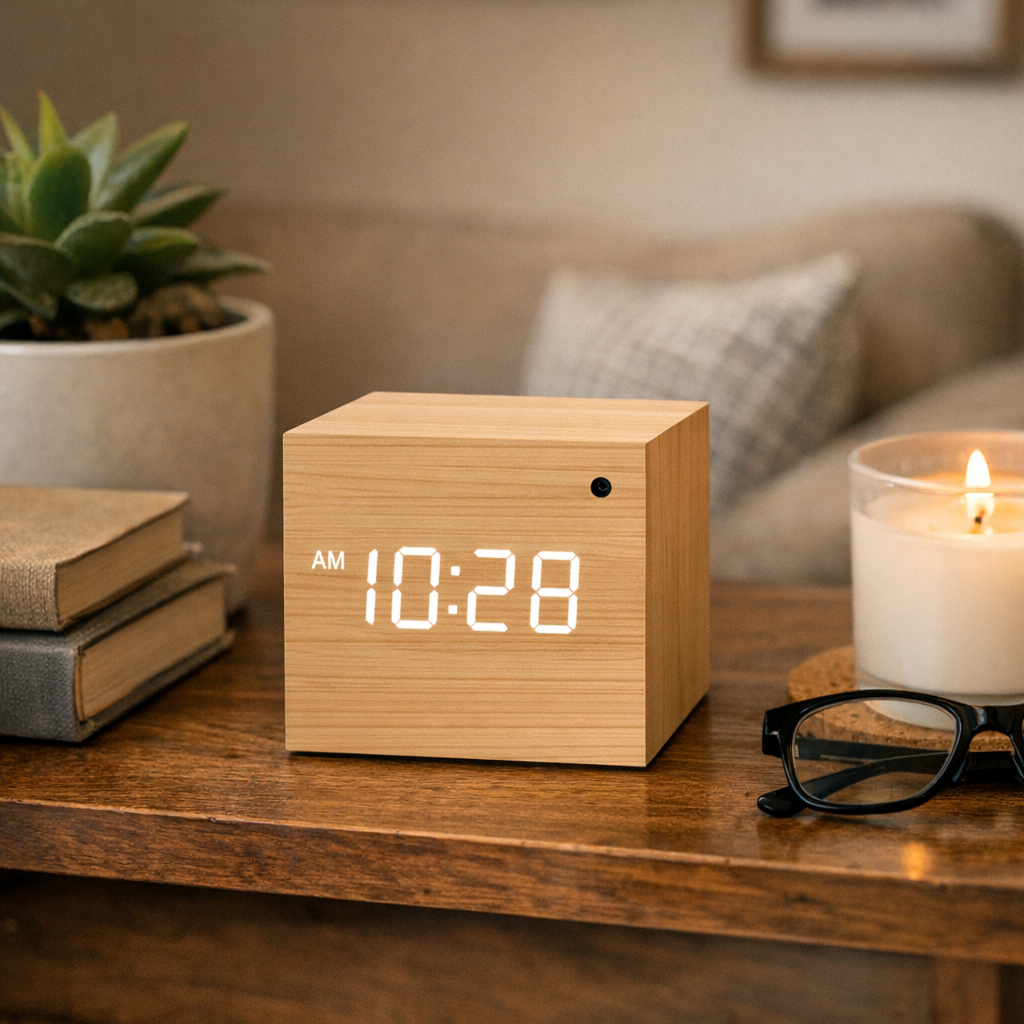
Why mini cameras fail: common technical and situational placement errors
Technical capability alone does not guarantee a successful installation. Mini cameras and hidden cameras have constrained optics, limited low-light sensitivity, and narrow fields of view that amplify placement errors. For example, mounting a mini camera too close to a reflective surface creates glare and automatic exposure shift; placing it behind tinted or textured glass reduces contrast and can hide facial features. In small rooms, proximity and angle choices determine whether an image resolves identifying details or produces unusable silhouettes. Understanding these constraints is essential when you select and position discreet cameras for a given room.
Placing mini cameras: comparison of concealment vs. visibility trade-offs
When evaluating options, compare concealment strategies and how they affect performance and risk. Concealing a mini camera inside everyday objects increases discretion but can degrade the scene (limited field of view, obstruction by object contours) and complicate maintenance. Visible small security cameras are easier to aim and maintain and may deter misconduct, but they are more likely to be tampered with and fail to capture candid behavior. A side-by-side comparison helps: concealment often improves stealth but reduces image fidelity and increases detection risk if the disguise is unnatural; visible placement enhances reliability and legal clarity but sacrifices discretion.
Pros and cons, at a glance
- Concealed mini cameras: Pro: stealthy; Con: altered optics, harder to legally justify in many contexts.
- Visible small security cameras: Pro: reliable angles, easier compliance with notice rules; Con: less covert and potentially tampered with.
For readers who want to deepen technical understanding, consult a detailed mini cameras primer to compare sensor sizes and lens trade-offs. Read the complete Mini Cameras guide
Use-case scenarios: decision logic for optimal placement
Placement logic should begin with the goal: deterrence, evidence collection, or occupancy monitoring. For deterrence in a storefront, elevated visible small security cameras that cover entry points are preferable. For evidence collection in a storage area, a discreet but unobstructed mini camera aimed at choke points is better. In private homes where occupant privacy matters, prioritize visible solutions in common areas and avoid concealed cameras in bathrooms or bedrooms to comply with expectations and laws. Map the space, identify lines of sight, and prioritize angles that capture faces and interactions rather than only reflections or peripheral movement.
Scenario: small office reception
In a reception area intended to deter theft and log visitors, a visible camera angled down from the ceiling covers faces and people flow; a mini camera hidden in décor might miss faces or be too low to capture useful images. In addition to placement, consider signs and access policies: visible cameras simplify legal compliance and expectations for visitors and staff.
Scenario: private residence monitoring of package theft
For porch monitoring, a small security camera with wide dynamic range and a low mounting point that captures both packages and approaching faces outperforms a tiny concealed camera hidden in a planter that captures only a narrow slice of the porch and is affected by plant movement and rain.
Practical examples and the most common placement mistakes
Real-world installations often fail for predictable reasons. Common mistakes include aiming mini cameras at entryways from the wrong angle, mounting too high or low, placing cameras where automatic lighting changes cause constant exposure swings, and disguising cameras inside moving objects. Another frequent error is neglecting maintenance access; a perfectly concealed camera that cannot be retrieved for battery changes or firmware updates becomes a hidden liability rather than an asset. Below are practical examples of failure modes and how to avoid them.
- Backlighting and windows: Placing a discreet camera facing a window results in silhouetted subjects. Move the camera to an angle where facial features contrast against the interior background or add controlled lighting.
- Too narrow a field of view: Concealing a mini camera in a shelf or framed object without testing often records only periphery motion. Replace with a wider-angle lens or reposition higher to capture faces.
- Reflective surfaces: Mirrors and shiny counters cause glare and false detections for motion-based recording. Aim cameras to avoid direct reflections and adjust motion sensitivity accordingly.
- Obstructed or moving disguises: Hiding a hidden camera in a plant that moves in wind creates motion noise and blurry frames; use fixed, nonmoving concealments and secure the mounting.
For those selecting hardware, our hidden camera selection overview can help match device form factors to realistic mounting options in homes and small offices. Browse Mini Cameras
Legal and ethical considerations: EU and US high-level overview
Placement choices are not only technical decisions; they also determine legal exposure. In the United States, recording laws vary by state and context: audio capture often triggers stricter consent requirements than video-only recording. Placing a discreet camera in a private space—bathrooms, locker rooms, private bedrooms—creates substantial legal and ethical risk. In the EU, data protection rules (including elements of the GDPR) require a lawful basis for recording personal data and mandate data minimization. Concealing cameras that record identifiable individuals without notice is likely to fail proportionality and transparency tests. Always assess whether the recording purpose is legitimate, whether less intrusive alternatives exist, and whether adequate notice and data handling safeguards are in place.
Operationally, maintain logs, minimize retention, encrypt stored footage, and restrict access to recordings. Where doubt exists, favor visible placement and clear signage or consult a privacy professional. For additional guidance on placement strategy and compliance checkpoints, review placement strategy resources tailored to surveillance installations. Discreet solutions
Buyer guide: evaluation criteria and selection logic for small security cameras
When choosing mini cameras, evaluate five core criteria: image quality in expected lighting, lens field of view, concealment form factor, power/maintenance strategy, and compliance simplicity. Consider trade-offs: a tiny lens may be easy to conceal but will struggle with low light; an externally powered small security camera offers continuous recording but limits concealment. Create a checklist: define the monitoring objective, sketch the intended mounting location, list legal boundaries, and match product specs—resolution, dynamic range, night capability—to situational needs.
Frequently Asked Questions
Q: Can I legally put a mini camera in a rental apartment?
A: It depends on jurisdiction and whether the camera records private areas or captures audio; landlords must avoid placing cameras in bedrooms or bathrooms and should disclose monitoring in common areas.
Q: Will concealing a mini camera inside an object make it undetectable?
A: No—many concealments alter the image and create telltale signs; also, suspicious placement of objects can prompt inspection and discovery.
Q: How do I reduce false alarms caused by placement?
A: Avoid pointing cameras at reflective surfaces or vegetation, adjust motion sensitivity, and use zones to focus detection on relevant areas.
Q: Are battery-powered discrete cameras practical for continuous monitoring?
A: Battery mini cameras can be practical for intermittent monitoring; for continuous, wired or mains-powered small security cameras are more reliable and reduce maintenance interruptions.
Q: What is the best way to balance discretion and compliance?
A: Prefer visible cameras in areas where notice is important and reserve concealed devices for narrowly defined, lawful uses; document purpose and minimize data retention.
Educational closing
Placement drives the success or failure of mini cameras more than any single specification. A technically capable device can be rendered ineffective—or illegal—if placed without consideration of optics, lighting, access, and local rules. For homeowners and small businesses, the practical path is deliberate: define monitoring objectives, map sightlines, compare concealment versus visible placement impacts, and document compliance measures. Thoughtful placement reduces false negatives and positives, protects privacy, and ensures recordings are useful and defensible.


