

Mini cameras: Why poor placement makes discreet cameras fail in homes and shops
Mini cameras are widely used for discreet monitoring in homes, rental properties, retail spaces and small offices, but even high-quality devices underperform when placed incorrectly. This article explains precisely how placement mistakes—line of sight, lighting, concealment, and legal boundaries—turn small security cameras into ineffective or unlawful tools, and it offers practical corrective steps for homeowners and small-business operators. Browse Mini Cameras
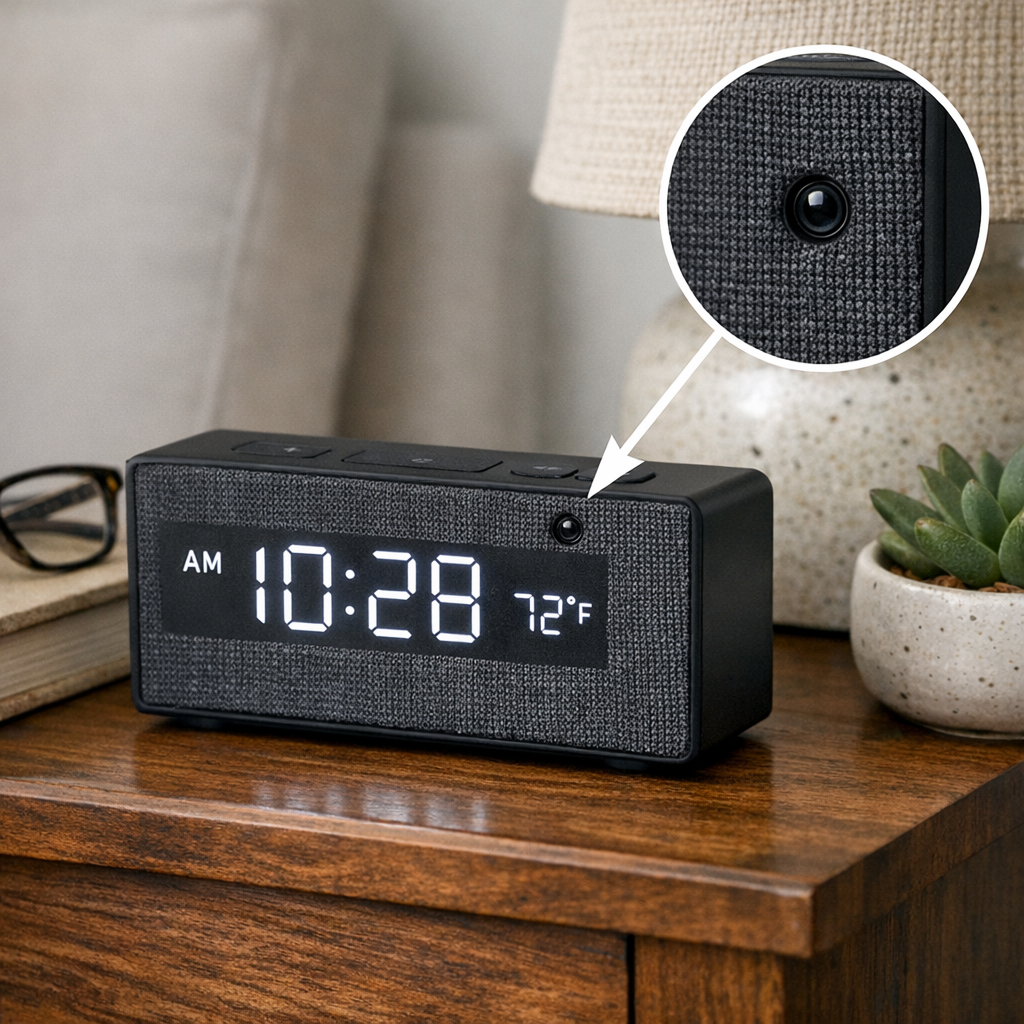
Mini cameras: placement fundamentals that determine success or failure
Placement is the most influential factor after device capability. A mini camera with strong resolution and night vision still fails if its field of view is obstructed, if it points at reflective surfaces, or if it is mounted at the wrong distance for its lens. Assess these fundamentals before installation: mounting height relative to the expected subject, angle of view versus motion paths, and any intervening glass or mesh that reduces clarity. Remember that hidden cameras and discreet cameras rely on unobstructed sightlines more than visible deterrent cameras, because their utility is in capturing usable footage rather than discouraging behavior.
Why small security cameras fail: environmental and technical interaction
Common technical-placement failures include over-zooming to cover a wide area, which reduces image quality; positioning too close to the subject, causing focus and depth-of-field problems; and aiming at windows or mirrors, which create glare or reflected images. Wireless mini cameras placed near metal or inside cabinets can suffer signal attenuation and dropouts. Lighting is critical: placing a camera opposite a bright window will silhouette subjects, while placing it too near an LED can introduce banding. Evaluate how the environment interacts with the device specifications—resolution, lens focal length, shutter speed and low-light sensitivity—before deciding on a mounting point.
Comparison of placement strategies: pros, cons and scenarios for mini cameras
Deciding where to place a mini camera depends on the surveillance objective. Below are structured comparisons to guide choice.
- Visible, elevated placement — Pros: wide coverage, deterrence, easy maintenance. Cons: less discreet, more likely to be tampered with. Best for retail entrances where deterrence is desired.
- Hidden, localized placement — Pros: discreet capture of specific areas (cash register, back door). Cons: legal risk in sensitive locations, narrower field of view, maintenance challenges.
- Ceiling-mounted wide-angle — Pros: covers corridors and lobbies with fewer devices. Cons: subject faces are often small in-frame, complicating identification at long range.
- Wall-mounted, near eye-level — Pros: better facial capture. Cons: easier to spot; may be within expected private-space zones.
Choose placement strategy by comparing the objective (deterrence vs evidence), the environment, and the device capabilities. For stores, a mix of visible cameras for deterrence and discreet units for targeted evidence often works—provided placement respects legal boundaries and privacy expectations. Discreet solutions
Practical examples and common mistakes with discreet cameras
Scenario 1: A homeowner places a mini camera inside a decorative plant facing the main entry to track comings and goings, but the lens is partially blocked by leaves and the camera is low, capturing feet instead of faces. Fix: reposition to a higher shelf with an unobstructed panoramic view and adjust angle downward slightly.
Scenario 2: Retail shop recording at the checkout
A small security camera is hidden behind a smoke detector to capture the cashier area. The device records but the footage shows only the ceiling because the mounting angle was wrong and an infrared LED reflected off the white detector housing. Fix: rotate the mount, use an external narrow-beam IR emitter or change to a low-glare housing, and schedule periodic checks for image framing.
Scenario 3: Office meeting room
Installing a mini camera in a decorative object to monitor a meeting introduces legal and ethical risks; employees expect conversational privacy in certain internal spaces. If covert monitoring is considered, consult policy and legal counsel. For lawful transparency, use visible cameras and clear policy notices instead.
Common mistakes across settings: choosing placement based solely on concealment without accounting for signal quality or lighting; assuming battery models can be left indefinitely; neglecting cleaning schedules; and failing to test recordings at the intended time of day. Maintain a placement checklist: sightline test, light test at night, network signal test, and a review of recorded frames for usable facial or object detail.
Legal and ethical considerations for mini cameras in the US and EU
Legal obligations differ by jurisdiction but certain principles are consistent: respect areas with a reasonable expectation of privacy (bathrooms, changing rooms, private bedrooms in rentals), comply with audio-recording consent laws, and maintain secure data handling practices. In the US, state laws govern audio consent—single-party versus two-party consent rules affect whether you can legally capture sound. In the EU, the General Data Protection Regulation (GDPR) treats recorded personal data strictly; controllers must have lawful basis for processing, minimize captured data, and adhere to retention limits. Always provide clear notice and policies when surveillance is used in a commercial setting, and document a legitimate purpose for any covert monitoring. Read the complete Mini Cameras guide
Buyer guide: evaluating mini cameras for effective placement
When selecting a mini camera, evaluate features that interact with placement decisions rather than spec sheets alone. Key criteria:
- Field of view (FOV) — Wide-angle lenses cover more area but reduce detail at distance; choose FOV to match mounting distance and identification needs.
- Resolution and sensor size — Higher megapixels help crop footage when cameras must be placed farther away from subjects.
- Low-light performance and IR design — Assess night-time illumination and reflective surfaces that may degrade IR effectiveness.
- Mounting options — Magnetic mounts, brackets, and multi-axis pivots permit fine aim adjustments critical for concealed placements.
- Power and connectivity — Battery units offer flexibility but require maintenance; wired or PoE is more reliable in fixed, high-importance installations.
- Storage and encryption — Local encrypted storage reduces cloud exposure; ensure retention policies are compatible with legal requirements.
Match device selection to placement strategy: homeowners prioritize ease of maintenance and non-intrusive mounting; small businesses prioritize reliability, coverage and legal compliance; professionals consider integration with access control and centralized recording.
Frequently Asked Questions
Q1: Can I legally place a mini camera in my rental property? A: You can record common areas for security, but avoid recording private tenant spaces without explicit consent and check local landlord-tenant law.
Q2: Why is my discreet camera footage dark at night? A: Night problems often stem from improper IR placement, bright backlight, or low sensor sensitivity; reposition to reduce backlight and confirm IR range matches distance.
Q3: How far should a mini camera be from a subject for clear ID? A: That depends on resolution and lens; as a rule, aim to have faces occupy at least 10% of frame height; reposition or choose a higher-resolution device if faces are too small.
Q4: Are hidden cameras allowed in workplaces? A: Visible surveillance for security is usually permitted with notice, but covert recording of employees raises privacy and labor-law issues; consult legal counsel and document legitimate reasons.
Q5: What maintenance keeps discreet cameras effective? A: Regularly test recordings at different times, clean lenses, verify network strength or battery charge, and check that mounts have not shifted.
Closing: Proper placement transforms mini cameras from ineffective devices into reliable tools for observation and evidence. Focus on sightlines, environmental interactions, and compliance when deciding where and how to mount discreet cameras. Use the comparison points and buyer criteria here to choose devices that match your placement constraints, and adopt clear policies to balance security needs with legal and ethical responsibilities.


