
voice recorders for homeowners and small businesses: why audio quality matters in legal compliance
When choosing voice recorders for use in homes, small offices, or professional settings, audio quality often influences admissibility and compliance far more than raw storage capacity. Clear capture, accurate timestamping, and reliable metadata can determine whether a recording is useful as evidence or legally defensible in dispute resolution.
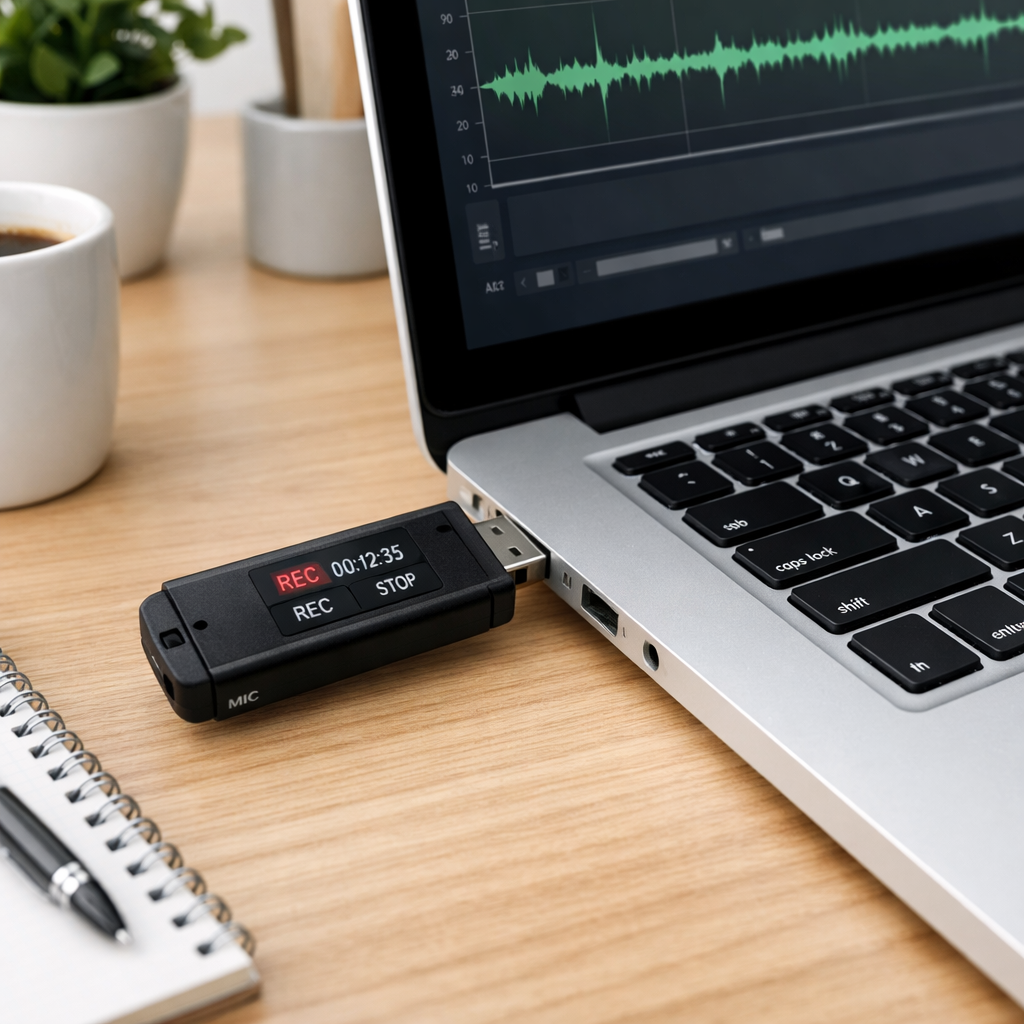
Why audio quality in voice recorders matters for legal compliance
Courts, regulators, and internal compliance teams assess recordings on clarity, chain of custody, and authenticity. A high-capacity device that produces muffled, compressed audio may fail to meet evidentiary thresholds even if it stores hundreds of hours. In contrast, a recorder that prioritizes bit-rate, microphone sensitivity, and lossless formats makes transcription accurate, speaker identification feasible, and noise reduction less likely to introduce artifacts. For technical background and context about recording techniques, consult the detailed primer on professional recording practices Read the complete Voice Recorders guide .
Choosing voice recorders: comparison of audio fidelity versus storage
Evaluating a device requires comparing measurable audio characteristics with practical storage concerns. The trade-offs below highlight risks and compliance implications.
- Bit rate and sample rate: Higher bit and sample rates capture fuller frequency information and reduce compression artifacts. Legal proceedings frequently rely on subtle vocal cues; lower fidelity can obscure those cues and undermine reliability.
- File format: Lossless formats (e.g., WAV) preserve original data but use more storage. Lossy formats (e.g., MP3) save space but can delete frequencies relevant to speaker recognition or acoustic analysis.
- Microphone quality and placement: An external or directional microphone often matters more than extra gigabytes. Poor placement increases ambient noise and reduces signal-to-noise ratio, harming intelligibility.
- Metadata and timestamping: Accurate timestamps and tamper-evident logs aid chain-of-custody documentation. A device with smaller storage but robust metadata can be legally superior to a bulky but opaque recorder.
Pros and cons: audio-first versus storage-first devices
Audio-first devices: pros include better admissibility, clearer transcriptions, and fewer disputes about authenticity; cons include higher ongoing costs for storage and backup. Storage-first devices: pros include long unattended recording windows and fewer interventions; cons include increased risk of unusable evidence and greater burden to validate authenticity or enhance degraded audio.
Practical scenarios and decision logic for legal use cases
Different use cases require tailored logic. Below are common scenarios with recommended priorities.
- Home dispute or neighbor complaints: Prioritize clarity for short-duration recordings. Use a quality digital voice recorder with directional mics and lossless capture for discrete sessions rather than continuous low-fidelity recording.
- Small business HR investigations: Ensure device supports tamper-evident files, reliable timestamps, and export of original files for chain-of-custody. Audio fidelity aids reliable transcription and corroboration during internal hearings.
- Client interviews for professionals (e.g., legal or financial advisors): Favor recorders with high sample rates and clear mic pickup; transcripts and notes derived from clear audio reduce disputes over content or intent.
- Long-duration surveillance where storage is limited: Combine periodic high-quality recordings with lower-resolution continuous monitoring. Use scheduled high-fidelity captures for critical events while maintaining logs of continuous monitoring to document context.
If you need to review product categories to match these scenarios, see our selection of compliant devices for professional use Browse Voice Recorders.
Buyer guide: evaluation criteria and common mistakes when selecting voice recorders
When procuring recorders, prioritize features that protect legal integrity. Below are practical evaluation criteria and frequent procurement errors.
-
Evaluation criteria:
- Audio fidelity (sample rate, bit depth, mic quality)
- Recording format options (lossless vs lossy)
- Timestamp accuracy and tamper evidence
- Exportability of original files and compatibility with forensic analysis tools
- Battery life relative to intended session length
- Ability to attach external microphones or line-in sources
-
Common mistakes:
- Choosing maximum storage over audio fidelity, then discovering recordings are unintelligible when transcribed.
- Forgetting metadata: devices that strip or fail to timestamp recordings impede chain-of-custody claims.
- Relying on automatic noise reduction or aggressive compression routines that alter speech characteristics, complicating speaker verification.
- Neglecting compatibility: selecting a recorder whose file formats are not supported by your transcription or analysis workflows.
Technical checks before purchase
Request sample recordings from the vendor in environments that mimic your use case: quiet interviews, noisy offices, and outdoor settings. Analyze samples for intelligibility, presence of compression artifacts, and stability of timestamps. For admissibility guidance and chain-of-custody workflows, consult the technical primer on admissibility testing Discreet solutions.
Practical examples and common mistakes
Example A: A landlord records a short tenant meeting with a cheap storage-focused device. The file is MP3 at low bit-rate; a later dispute requires transcription and the audio is too noisy to confirm key statements. This weakens the landlord's position because the recording lacks clarity and verifiable metadata.
Example B: A small clinic uses a digital voice recorder with lossless capture and secure timestamping for patient consent conversations. Even though each file is larger, transcriptions are accurate and consent is defensible because files contain intact metadata and unaltered audio.
Common mistake: assuming longer recording time equals better evidence. In many legal contexts, a short, high-fidelity clip with solid metadata and clear speech is worth far more than hours of low-quality audio.
Legal and ethical considerations (EU and US high-level overview)
Legal frameworks differ across jurisdictions. In the EU, data protection laws like the GDPR require lawful basis for processing personal data, transparency, and purpose limitation; recordings may qualify as special categories if they reveal sensitive information. In the US, state wiretapping laws vary: some states require one-party consent, others require all-party consent for audio recordings. Always document legal grounds and notify parties where required.
Beyond statutory rules, admissibility standards consider reliability, lack of tampering, and proper authentication. Technical steps that improve legal defensibility include preserving original files in immutable storage, maintaining detailed logs of access, and avoiding post-capture processing that could introduce ambiguity about alteration.
Ethical boundaries: avoid covert recordings where prohibited and assess privacy impacts. Institutional policies (employers, professional bodies) often impose stricter rules than statutes—confirm internal policies before recording sensitive conversations.
Frequently Asked Questions
Q: Do higher storage capacities make recordings more admissible?
A: No. Storage capacity affects duration but not evidentiary quality. Courts evaluate clarity, authenticity, and chain-of-custody.
Q: Is a voice activated recorder better for legal use?
A: Voice activated recorders can save space but may clip speech or miss context. For legal evidence, ensure activation thresholds and buffering preserve entire utterances.
Q: Should I prefer a digital voice recorder that records in WAV over MP3?
A: Yes—WAV (lossless) retains original data and reduces risks of missing forensic cues compared with MP3 compression.
Q: How important is metadata for admissibility?
A: Very important. Reliable timestamps and tamper logs support authentication and reduce challenges to the recording's integrity.
Q: Can I edit recorded files for clarity before submission?
A: Minor adjustments (e.g., volume normalization) may be acceptable if originals are preserved. Any editing should be documented and originals produced on request.
Educational closing
Prioritize devices and workflows that preserve the evidentiary value of recordings: invest in audio fidelity, robust metadata, and clear chain-of-custody practices. Storage is a convenience, not a substitute for clarity and authenticity. Applying the selection criteria and avoiding common procurement mistakes reduces legal risk and strengthens the usefulness of recorded evidence in disputes or compliance reviews.