Straipsnis: Mini cameras for homes & small businesses: legal limits on indoor concealment
Mini cameras for homes & small businesses: legal limits on indoor concealment
Mini cameras are easy to buy and deploy, but hiding them indoors raises legal limits that homeowners and small business owners must understand before installation. This buyer-focused guide explains when concealment crosses a legal boundary, compares concealment methods by risk, and lays out selection criteria and common mistakes to avoid so you can balance security needs with privacy and compliance.
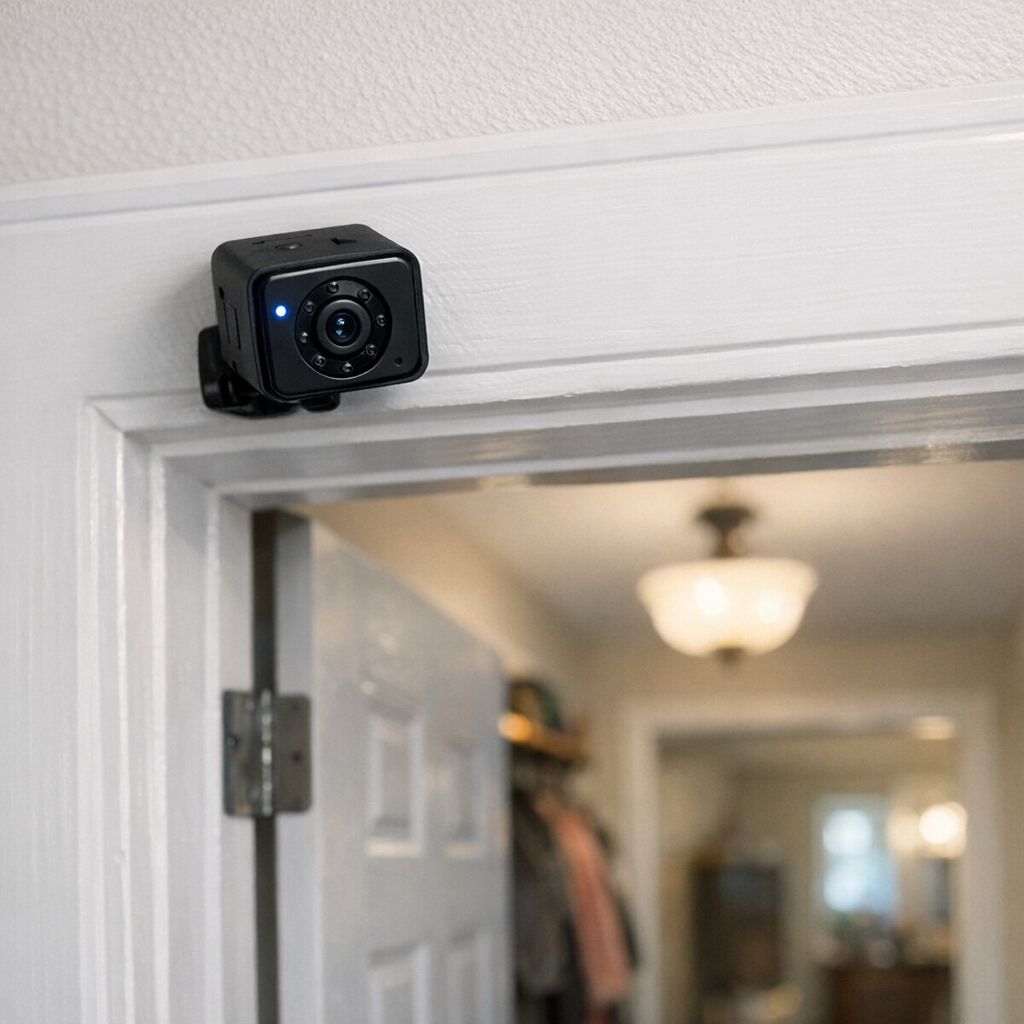
Legal boundaries for mini cameras in homes and small businesses
Whether you are securing a storefront or monitoring a private residence, the law draws lines around where and how mini cameras can be used. The dominant considerations are expectation of privacy, consent for recording (especially audio), and specific local statutes for surveillance. For example, placing a tiny camera in a bathroom or bedroom almost always violates privacy protections; monitoring common areas in a small shop or a living room may be lawful if notice or consent requirements are met. When in doubt, evaluate the space first: locations where people expect solitude are high-risk. For more technical background on discreet recording devices and lawful practices, consult the detailed technical reference on concealment and recording best practices. Read the complete Mini Cameras guide
How mini cameras compare by concealment method and legal risk
Comparing concealment methods helps buyers match device choice to acceptable legal risk. Below are common concealment types and their relative legal exposure.
Visible but discreet (low risk)
- Small dome or puck cameras mounted visibly but unobtrusively; users notice presence and privacy expectation is lower.
- Pros: reduces legal risk, easier to justify for deterrence. Cons: less covert if covert monitoring is the stated objective.
Camouflaged in objects (medium risk)
- Cameras hidden in clocks, smoke-detector housings, or decorative objects. Legal risk rises when the concealed placement makes notice or consent impossible.
- Pros: useful for specific investigatory needs. Cons: can violate laws if used in private areas or without lawful basis.
Covert miniature implants (high risk)
- Button-sized or pinhole mini cameras with no visible indicators. Highest risk because they defeat notice and enable secret audio capture.
- Pros: maximum stealth. Cons: significant legal exposure, especially where audio is recorded or where occupants have a privacy expectation.
Selection criteria for legally safe mini cameras
When evaluating mini cameras, prioritize features that reduce legal exposure while still meeting security goals. Start with a clear operational decision tree: why you need concealment, what areas will be monitored, whether audio is required, and how long footage will be retained.
Key evaluation points
- Purpose and proportionality: Choose concealment only if less intrusive visible alternatives won’t meet legitimate objectives.
- Audio capability: Be cautious—audio laws vary by state and country; disabling audio reduces risk in most jurisdictions.
- Notification and consent options: If practical, provide notice or obtain consent; electronic notice, signage, and policies help justify monitoring.
- Indicator lights and tamper evidence: Cameras with visible indicators are less likely to provoke privacy claims; tamper logs help with chain-of-custody if footage is needed later.
- Storage and retention controls: Choose devices with secure local or encrypted cloud storage and configurable retention to comply with data minimization principles.
- Access controls and audit logs: Limit who can view footage and keep logs to demonstrate compliance if challenged.
If you want to compare product categories or evaluate models available for purchase, use manufacturer spec comparisons and model lists to avoid high-risk features like built-in microphones or permanent cloud upload without access controls. Browse Mini Cameras
Practical scenarios and decision logic
Concrete scenarios clarify legal choices. Below are typical buyer situations with recommended actions.
Home: babysitter or nanny monitoring
- Scenario: A parent wants to check child safety or caregiver behavior.
- Decision logic: Use visible cameras in common areas and avoid placing any concealed mini cameras in private rooms. Obtain caregiver consent where possible and disable audio. Keep retention minimal and document the legitimate safety purpose.
Small retail: loss prevention vs employee monitoring
- Scenario: Owner wants to deter theft and monitor staff performance.
- Decision logic: Visible mini cameras at points of sale are preferred. If you need covert monitoring for suspected theft, consult legal counsel and HR before concealment; covert surveillance of employees carries higher regulatory and labor-law risk.
Rental property and landlords
- Scenario: Landlord wants to protect unoccupied units or monitor entry points.
- Decision logic: Cameras should be outside entryways only. Never place mini cameras inside tenant-occupied living spaces. Include surveillance policies in lease agreements when lawful.
Common mistakes buyers make with hidden or discreet mini cameras
Understanding common errors prevents costly legal exposure.
- Placing devices in private areas (bathrooms, bedrooms) because the risk of criminal and civil penalties is high.
- Recording audio without confirming state or national consent rules; in some US states, two-party consent applies to recording private conversations.
- Failing to secure footage or to implement retention limits, which can violate data protection principles like GDPR.
- Using footage as the sole basis for disciplinary action without documented policies—this can lead to wrongful-termination claims.
- Not documenting purpose and necessity; lack of a legitimate, proportionate rationale undermines defenses to privacy complaints.
Legal & ethical considerations (high-level US and EU guidance, non-legal advice)
This section is informational and not legal advice. Laws vary by jurisdiction, but common themes appear in both US and EU frameworks.
United States (high-level)
- Expectation of privacy controls: courts often protect areas like bedrooms and bathrooms. Public-facing common areas are lower risk.
- Audio recording law: some states require all-party consent for audio recording; others require only one-party consent. Disabling audio reduces complexity.
- Employment law: surveillance of employees may implicate labor rules; written policies and notice are best practice.
European Union (high-level)
- GDPR principles apply when footage includes identifiable people: lawfulness, purpose limitation, data minimization, and storage limitation.
- Consent is a narrow legal basis for workplace monitoring; legitimate interest and necessity tests are typically required, and a Data Protection Impact Assessment (DPIA) may be necessary for covert monitoring.
- Signage and clear retention policies help demonstrate compliance, and audio capture is tightly restricted.
For a deeper regulatory primer on lawful discreet recording and privacy compliance, review specialized compliance resources before deployment. Discreet solutions
Frequently Asked Questions
Q: Can I legally hide a mini camera in a rental property I own?
A: Generally no in tenant-occupied private areas; outside common entry points may be allowed but include notice in the lease and check local laws.
Q: Is audio recording with a mini camera legal?
A: Audio laws vary; some jurisdictions require all-party consent. Disable audio unless you confirm local rules permit it.
Q: Can footage from a hidden mini camera be used in court?
A: Admissibility depends on jurisdiction and how evidence was obtained; illegally obtained recordings may be excluded and may trigger penalties.
Q: What steps reduce legal risk when using mini cameras indoors?
A: Use visible placement where possible, disable audio, post clear notice, limit retention, restrict access, and document legitimate purpose.
Q: Do I need a privacy policy for surveillance in my small business?
A: Yes—written surveillance and data-retention policies demonstrate that monitoring is proportional and can mitigate legal exposure.
Educational closing
Selecting and concealing mini cameras is not only a technical decision but a legal one. Buyers must weigh the investigative or security benefit of concealment against privacy expectations, audio-recording laws, data-protection duties, and employment rules. Use the evaluation criteria above to choose devices that minimize legal exposure—favor visible deterrence, disable audio when possible, secure and limit retention of footage, and document purpose and notice. When covert monitoring seems necessary, seek jurisdiction-specific counsel and ensure proportionality and accountability in deployment. Thoughtful selection and clear policies protect both the people under surveillance and the organization deploying mini cameras.