Mini Cameras: Battery Mistakes Homeowners and Small Businesses Make
Mini cameras are attractive for discreet monitoring, but battery choices and charging errors are a leading cause of lost footage; understanding which mistakes ruin recordings is essential for homeowners and small businesses planning reliable surveillance.
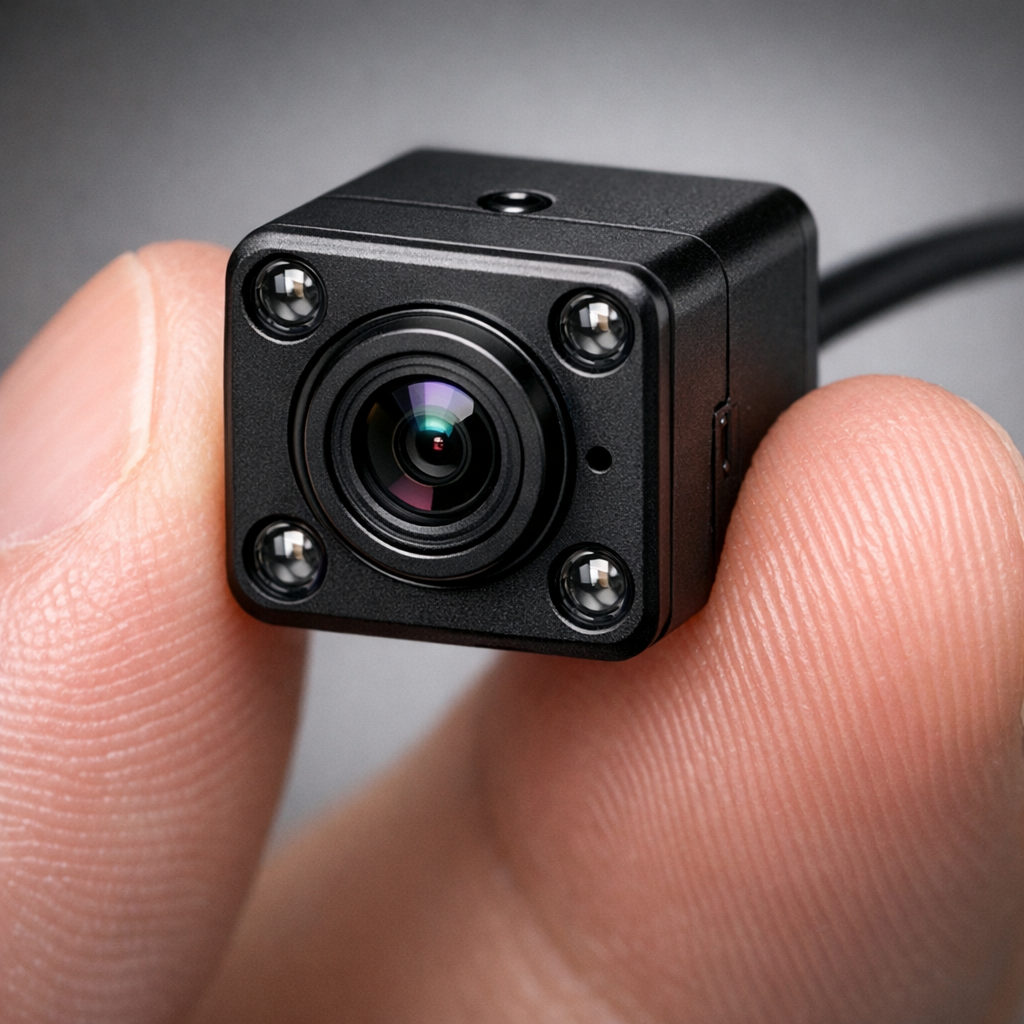
mini cameras: battery types compared and how they fail
Battery chemistry and design dictate how a mini camera performs under realistic conditions. Common cell types include alkaline, NiMH (rechargeable), lithium-ion (Li-ion), and coin-cell batteries used in ultra-small modules. Each has pros and cons: alkaline cells are inexpensive but suffer voltage sag under load; NiMH have stable voltage but lower energy density and self-discharge; Li-ion packs provide high energy and steady voltage but need proper protection circuits. Choosing the wrong chemistry for a device’s power profile causes unexpected shutdowns, corrupted files, and poor low-light performance when frame rates spike. When you need deeper reading on installation and recording behavior, consult our core technical resource on mini camera operation Read the complete Mini Cameras guide .
mini cameras: run-time, discharge curves, and recording integrity
Comparing discharge curves is practical: a camera that reports 3.7V target will act very differently on alkaline (initially higher than expected, then steep drop) versus Li-ion (flat discharge then rapid cutoff). Recording quality depends on whether the battery can sustain peak drain during motion-triggered high-bitrate recording. Run-time estimates from manufacturers are often measured at constant low-power streaming; bursts from motion detection or IR illumination will shorten real-world life. For small security cameras with aggressive duty cycles, favor cells with low internal resistance to avoid voltage collapse during peaks. If you need a product list for discreet setups, our category overview shows compatible modules and their intended uses Browse Mini Cameras.
Comparison: primary power sources for discreet cameras — pros and cons
- Alkaline cells — Pros: cheap, widely available. Cons: poor peak current, voltage drop, risk of leakage if left in device for long periods.
- NiMH rechargeables — Pros: lower internal resistance than alkaline, better for repeated discharge/recharge cycles. Cons: higher self-discharge (though low-self-discharge variants exist), require compatible chargers.
- Li-ion/LiPo packs — Pros: highest energy density, stable output under load. Cons: require protection circuitry and correct charging; thermal risks if misused and some devices lack charging management.
- Coin cells and button batteries — Pros: tiny form factor for ultra-small cameras. Cons: very limited current capacity and poor longevity, unsuitable for continuous recording.
Scenario-based evaluation
For overnight motion-triggered recording in a detached garage, Li-ion with a protection circuit usually wins. For quick, short-term consumer tests, alkaline or NiMH work. For inconspicuous, long-duration logging where power must last weeks without servicing, specialized low-power modules and duty-cycled operation are preferable. These trade-offs are the heart of selecting a battery and avoiding mistakes that lead to missed evidence.
Common battery mistakes that ruin mini camera recordings
Many recording failures trace to a handful of avoidable errors: using the wrong cell type for peak current, mixing old and new batteries, neglecting temperature effects, relying on incorrect capacity ratings, and improper charging. Mixing cells creates uneven discharge and can trigger camera resets that corrupt file indexes. Charging Li-ion packs with an incompatible charger is a frequent mistake that damages protection circuits or leaves the pack partially charged and unreliable. In outdoor setups, cold temperatures drastically reduce effective capacity; cameras that worked fine indoors may stop recording when night temperatures drop.
Real-world examples
Example 1 — A homeowner installed a discreet camera in a rental property and used standard alkaline AAA cells. During the night a burst of activity triggered infrared and higher bitrate recording; the voltage sag caused the camera to reboot mid-file, producing corrupt video. Example 2 — A small business set up a covert entry-point camera on a LiPo without a proper charger and relied on an external wall charger that never fully balanced the pack. Over weeks, the imbalance reduced available runtime and eventually the battery’s protection limited current flow, stopping recording during business hours.
Buyer guide: how to evaluate mini cameras for battery resilience
When comparing models, evaluate these criteria: specified peak current draw, supported input voltage range, presence of battery management (BMS) or charging circuit, user-replaceable versus fixed battery, and documented runtime under motion-triggered conditions. Also check whether the camera supports low-bitrate fallback modes for low-voltage conditions and if firmware handles abrupt power loss gracefully by closing file headers. For device comparisons that weigh recording reliability across models, see our secondary technical overview on discreet recording strategies Discreet solutions.
Checklist before purchase
- Confirm the chemistry the manufacturer recommends and whether it matches your operational profile.
- Assess whether the device exposes battery status to remote monitoring; remote voltage alerts can prevent data loss.
- Plan for thermal effects — specify insulated enclosures or regulated charging for extreme climates.
- Prefer models with field-replaceable batteries if continuous uptime is critical.
Practical installation and maintenance to prevent recording loss
Installation mistakes often manifest as dead recordings later. Always run a burn-in test under the same conditions expected in service: motion triggers, night IR use, and any Wi-Fi transmission bursts. Rotate batteries on a schedule based on measured runtime, not just manufacturer claims. Use chargers matched to the battery type and avoid continual trickle charging on chemistries that don’t accept it. If using external power banks, verify they can supply required peak current and won’t enter low-power sleep modes that interrupt the camera. For hidden cameras and discreet cameras especially, physical access may be limited, so maintenance planning is part of system selection.
Legal and ethical considerations (EU and US high-level overview)
Legal boundaries around recording differ between jurisdictions and contexts. In both EU and US contexts, informed consent, location, and expectation of privacy are central. Recording in private spaces (bathrooms, bedrooms) is typically illegal or highly restricted; recording employees can require notification or formal policy. Data protection rules in the EU (GDPR) require proportionality, clarity about retention, and secure handling of footage if individuals can be identified. In the US, state laws vary: some require two-party consent for audio, others have stricter rules for hidden surveillance. These are high-level points, not legal advice; consult a qualified attorney for compliance in your jurisdiction. Ethical practice includes minimizing unnecessary capture, limiting retention, and clearly documenting the purpose and legal basis for monitoring.
Practical examples and common mistakes — scenario comparisons
Scenario A: A landlord wanting overnight evidence in common areas. Mistake: using coin cells for long-term monitoring. Outcome: footage gaps and corrupted files. Better: a Li-ion pack with a BMS and periodic checks. Scenario B: Retail store owner using discreet cameras for loss prevention. Mistake: swapping rechargeable NiMH among devices without charge logging. Outcome: one camera’s batteries were repeatedly used past safe discharge and failed mid-shift. Better: standardized battery inventories and chargers with charge-state indicators. Scenario C: Remote cabin monitoring by a homeowner. Mistake: relying on a solar-charged small security camera without accounting for shorter winter sunlight. Outcome: months without recording during low-sun months. Better: oversize solar array or hybrid power with scheduled maintenance.
Frequently Asked Questions
Q1: How long should a battery last in a mini camera under motion-only recording?
A1: Runtime varies by sensor, IR use, and motion frequency; expect anything from a few hours (continuous high activity) to several days for conservative duty cycles—verify manufacturer motion-cycle specs.
Q2: Can I mix rechargeable and disposable batteries to extend life?
A2: No. Mixing cells creates unequal discharge and can cause voltage instability and device resets that corrupt recordings.
Q3: Is it safe to use a generic charger for Li-ion packs in cameras?
A3: Only if the charger matches the pack voltage and includes proper termination; using incompatible chargers risks damage, reduced capacity, or safety hazards.
Q4: Do firmware updates help with battery-related recording failures?
A4: Sometimes. Firmware can add low-voltage file handling or optimized power modes, but it cannot change hardware capacity or chemistry limits.
Q5: How should I document battery maintenance for compliance purposes?
A5: Keep dated logs of battery swaps, charging cycles, runtime tests, and any firmware or configuration changes; logs support both operational reliability and regulatory accountability.
Educational closing
Battery management for mini cameras is a technical discipline blending chemistry, electronics, and operational planning. Comparing options on peak current capability, protection circuits, and real-world runtime under your use-case will reduce the chance of lost footage. Plan installations with maintenance schedules, realistic environmental expectations, and legal compliance in mind to ensure recordings remain reliable and defensible. Thoughtful selection and ongoing monitoring of power systems protect both evidence quality and personal privacy.