Mini cameras: legal limits for homeowners and small businesses
Mini cameras are valuable tools for security and monitoring, but knowing when not to use mini cameras is essential to avoid legal liability, privacy invasion, and regulatory noncompliance. This article focuses on legal boundaries, practical comparisons, and decision logic for homeowners, small business owners, and professionals who consider discreet or hidden cameras for surveillance. It explains where the law commonly draws lines, how to evaluate risk, and what alternatives reduce exposure while meeting legitimate security goals. Read the complete Mini Cameras guide
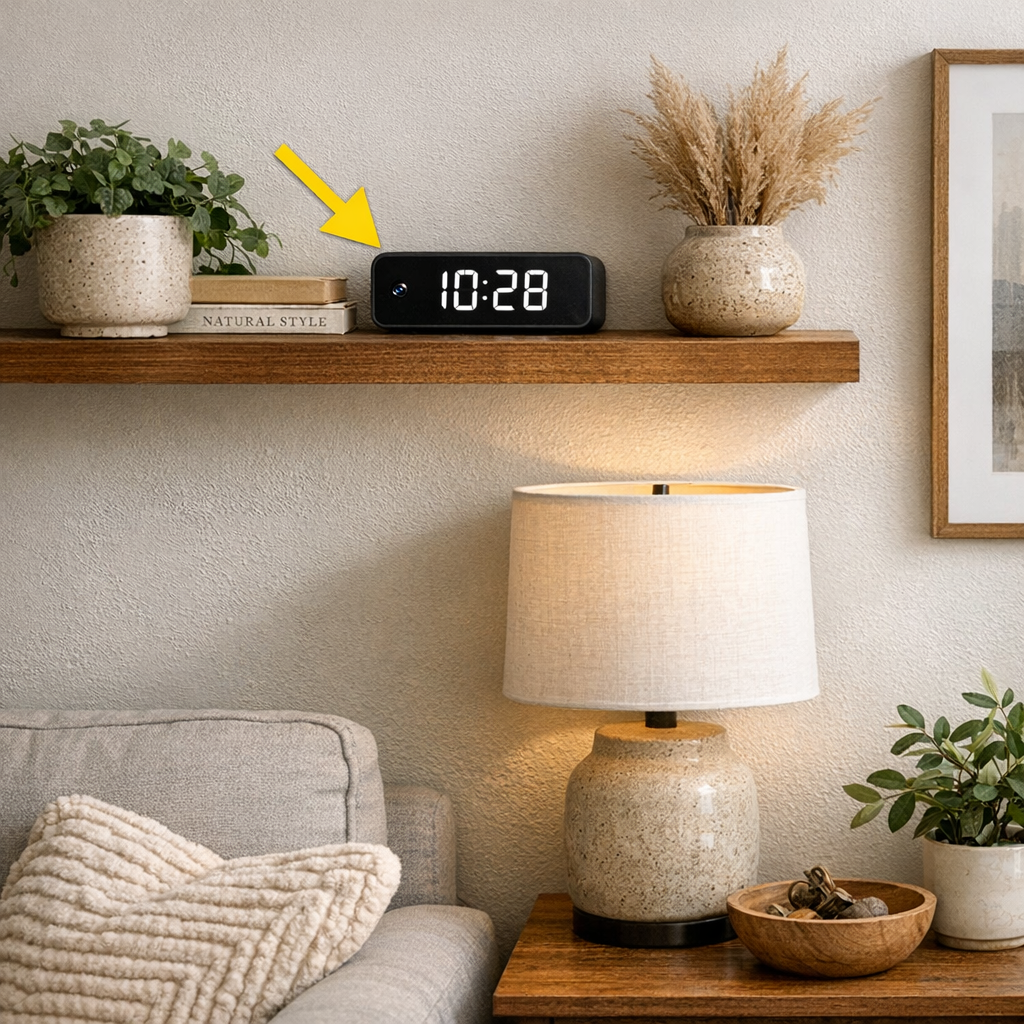
Legal boundaries for mini cameras: what statutes and common law require
Mini cameras often provoke legal questions because their small size makes them easier to place in private or sensitive locations. Laws governing video surveillance vary by jurisdiction, but they generally fall into three categories: consent, reasonable expectation of privacy, and data protection. Consent rules determine whether recorded persons must be informed; expectations of privacy protect areas like bathrooms and changing rooms from any covert recording; and data protection laws, such as privacy statutes and consumer protection laws, impose obligations when recordings contain personal information. When assessing whether to deploy a small security camera, prioritize these legal thresholds and document your legal basis.
When not to use mini cameras: scenarios, comparisons, and compliance logic
Not every security need justifies a mini camera. Compare alternatives and consider scenarios where using a hidden camera is legally risky or plainly inappropriate. Use-case comparisons help: compare overt cameras, access-control logs, and increased staffing versus covert recording. In workplaces, for example, a visible camera aimed at a public reception area typically carries lower risk than a secret camera in a staff locker room. For landlords, a security camera placed facing a shared hallway may be acceptable if disclosed, whereas an undetectable camera inside a rented unit without tenant consent is likely unlawful. Evaluate whether the surveillance objective can be achieved by less intrusive means before deploying discreet cameras. Browse Mini Cameras
Mini cameras and reasonable expectation of privacy
One of the most decisive legal concepts is the “reasonable expectation of privacy.” Bathrooms, dressing rooms, private bedrooms, and other intimate spaces are almost always protected. Courts have repeatedly found covert recording in such spaces to be intrusive and illegal. Even if a mini camera could capture evidence of wrongdoing, evidence obtained by violating privacy laws may be inadmissible and can expose the operator to civil liability. Use small security cameras only where subjects do not have a reasonable expectation of privacy and where notice or consent requirements can be met.
Comparison: hidden cameras versus overt surveillance — pros, cons, and risks
Comparing hidden cameras to overt surveillance clarifies legal exposure. Overt cameras deter crime and provide evidence with fewer legal hurdles because they put subjects on notice. Hidden or discreet cameras may gather more candid evidence but increase legal and ethical risk. Key comparison points:
- Notice and consent: Overt cameras provide constructive notice; hidden cameras do not.
- Admissibility: Courts are more likely to scrutinize evidence from covert recording for legality and chain-of-custody problems.
- Data handling: Any footage, covert or overt, triggers data protection obligations when it captures personal data.
- Deterrence: Overt devices deter misconduct; hidden devices may detect but not deter.
Use-case decisions: real-world scenarios where mini cameras are inappropriate
Below are common scenarios illustrating when not to use mini cameras and the decision logic to follow.
Residential shared living (apartments, rentals)
In multi-tenant buildings, placing a mini camera inside a leased unit without tenant consent is usually unlawful. Even owners checking for property damage should obtain consent or use lawful inspection clauses and provide notice. Consider using time-stamped inspection reports, visible cameras on common property with posted signage, or escorted inspections instead of undisclosed recording.
Workplace monitoring with sensitive expectations
Employers must balance security with employee privacy. Mini cameras in bathrooms, break rooms used for private conversations, or personal offices without clear, documented policy and notice can violate labor laws and privacy statutes. If monitoring is justified for safety or asset protection, prefer overt cameras, written policies, and limited retention schedules. Surveillance should be narrowly tailored and documented in synchronization with employment law counsel.
Childcare and caregiving settings
Parents and facility operators sometimes consider discreet cameras for oversight, but secret recording of caregivers or children raises acute legal and ethical concerns. Many jurisdictions restrict recording in childcare environments unless specific consent and licensing rules are followed. Use transparent policies, clear signage, and explicit written consent from guardians when any recording is considered.
Buyer guide logic: evaluating mini cameras through compliance lenses
When evaluating mini cameras, prioritize compliance criteria rather than features alone. Key evaluation points include:
- Placement flexibility: Assess legal limits on where the device will be used; avoid models that encourage concealment in private areas.
- Recording controls: Choose devices with configurable alerts, scheduled recording, and privacy masks to limit capture of off-target areas.
- Data security: Prefer cameras with local storage options and strong encryption rather than uncontrolled cloud uploads that complicate data breach obligations.
- Auditability: Select devices with clear logging to show who accessed footage and when—important for responding to legal requests and investigations.
- Vendor transparency: Verify vendor policies on data retention, export, and jurisdiction of cloud servers, as these affect compliance.
These evaluation criteria reduce the likelihood that a discreet camera becomes a liability by design.
Practical examples and common mistakes
Practical examples illustrate typical mistakes that turn reasonable security into legal exposure.
- Example: A homeowner installs a tiny lens inside a decorative smoke detector in a guest bathroom to monitor for theft. Mistake: placing a camera in a private area where guests have a reasonable expectation of privacy.
- Example: A small retail shop puts a mini camera behind a product shelf to observe employee dishonesty without informing staff. Mistake: failing to disclose surveillance in staff areas and neglecting data protection notices required by local law.
- Example: A property manager uses a discreet camera to record alleged unauthorized overnight guests in a rented unit. Mistake: relying on covert surveillance instead of written lease clauses and formal inspection procedures, risking tenant privacy claims.
Common mistakes include assuming small size equals legal anonymity, not documenting the legitimate business reason for surveillance, and failing to implement data security and retention policies—errors that increase regulatory and civil risk.
Legal and ethical considerations (EU and US high-level overview)
Regulatory frameworks differ between the EU and the US, but both emphasize privacy and proportionality. In the EU, the General Data Protection Regulation (GDPR) can apply when surveillance records natural persons, imposing strict legal bases for processing, data minimization, purpose limitation, and rights to access and erasure. Operators should perform a Data Protection Impact Assessment when surveillance is likely to result in high privacy risks.
In the US, surveillance law is a patchwork of federal statutes and state laws. Consent rules vary: some states require one-party consent for audio recording, others require two-party consent. Separate statutes protect certain locations (e.g., locker rooms) and vulnerable populations. Employers face additional labor and wiretapping constraints. Always consult local counsel before deploying discreet cameras that record audio or are positioned in areas with heightened privacy expectations. Discreet solutions
Frequently Asked Questions
1. Are mini cameras illegal everywhere?
No. Mini cameras are legal in many public and semi-public spaces when used transparently and lawfully, but they are frequently restricted in private or sensitive locations and where consent or notice is required.
2. Can I use a mini camera to catch a cheating partner?
Recording a partner without consent can violate privacy and criminal statutes depending on the location and whether audio is recorded. Consider legal and safety consequences and seek legal advice before recording in private spaces.
3. What should employers do before installing small security cameras?
Employers should adopt written surveillance policies, provide notice to employees, avoid areas with high privacy expectations, and consult employment counsel to align surveillance with labor and privacy laws.
4. Is consent enough to use a hidden camera?
Consent helps, but it must be informed and legally valid; consent cannot override statutory protections for private areas or obligations under data protection laws. Written consent and limited scopes are safer.
5. How long can I keep footage from a mini camera?
Retention should be limited to the period necessary for the purpose. Data protection laws often require policies specifying retention periods and secure deletion; keep minimal footage and document retention rules.
Educational closing
Mini cameras provide technical advantages but carry legal and ethical responsibilities that often outweigh perceived benefits in sensitive contexts. For homeowners and small business operators, the prudent approach is to evaluate alternatives, document legitimate needs, provide notice when required, and implement data security and retention practices. When in doubt, avoid concealed placement, consult local counsel, and choose overt, proportionate measures that meet security objectives without creating legal exposure.