Članek: Mini Cameras for Homes & Small Businesses: WiFi vs Local Recording Reliability
Mini Cameras for Homes & Small Businesses: WiFi vs Local Recording Reliability
Choosing mini cameras for a residence or small business means balancing remote access against offline reliability: this article compares WiFi-enabled systems with strictly local recording models to help you decide based on real use cases, compliance, and risk tolerance. Read the complete Mini Cameras guide
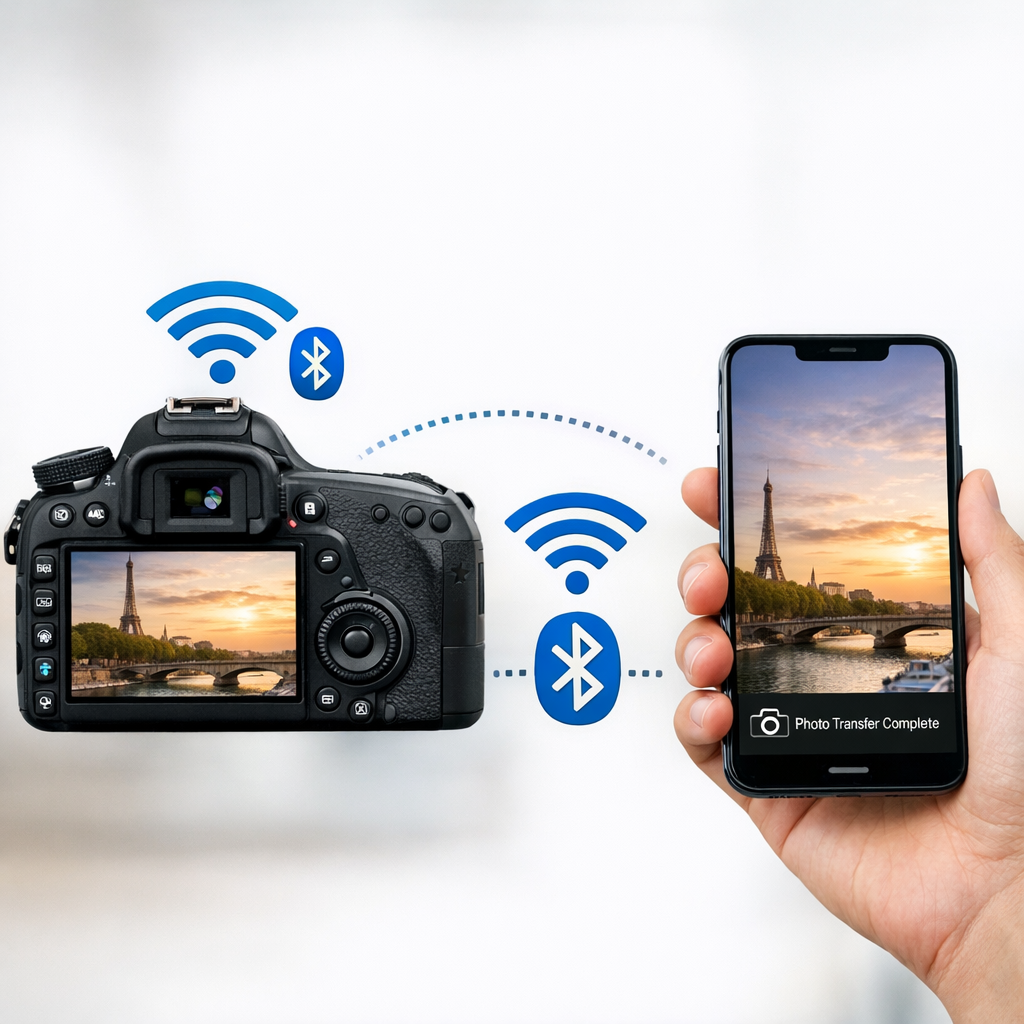
How mini cameras differ: remote access versus offline design
At a high level, mini cameras fall into two operating philosophies. One relies on continuous or intermittent network connectivity so users can stream footage, receive alerts, and manage settings remotely. The other prioritizes local recording to a removable SD card or local NVR, minimizing external dependencies. Each approach affects reliability, evidence integrity, privacy boundaries, and legal exposure.
mini cameras: advantages of WiFi remote access
A WiFi mini camera delivers immediate visibility and convenience. Remote access enables live monitoring from a smartphone, cloud backup of critical clips, and event-driven notifications. For owners who need instant awareness—such as shopkeepers monitoring a storefront after hours or homeowners checking a vacation property—these are strong advantages.
Operational benefits
- Real-time alerts and two-way audio reduce response time to incidents.
- Cloud backup reduces single-point failures associated with local storage theft or damage.
- Firmware updates and remote diagnostics simplify maintenance for non-technical users.
Network and security implications
Remote access requires careful network configuration. Exposed devices increase attack surface, so strong passwords, segmented guest networks, WPA3 where available, and up-to-date firmware are essential. A poorly secured wifi mini camera can leak footage or become a pivot point into internal systems—an important operational risk for small businesses handling customer data.
mini cameras: advantages of local recording
Local recording models emphasize offline reliability: footage is stored directly on the device or a local recorder without cloud dependency. This approach reduces external attack vectors and ensures footage remains available during connectivity outages, making it the preferred option when consistent evidence capture and chain-of-custody resilience matter most.
Operational benefits
- Resilience to network outages—recording continues uninterrupted when WiFi fails.
- Lower external exposure—no cloud accounts, fewer data-handling obligations.
- Physical control over storage: removable media can be secured and archived for investigations.
Use-case comparisons and decision logic
Decision logic should map to environment, threat model, and compliance needs. For a small retail store concerned about shrinkage, a wifi mini camera with cloud alerts may enable staff to intervene quickly; however, pairing that with local recording preserves a tamper-evident copy if an intruder disables WiFi. In contrast, a landlord documenting property condition might prioritize local recording to ensure continuous, unbroken footage regardless of internet availability. Browse Mini Cameras
Consider these scenarios:
- Nanny or in-home caregiver monitoring: Remote access supports live checks, but families should combine streaming with encrypted local copies to preserve privacy and evidence.
- Remote vacation home: WiFi access plus cloud storage gives instant alerts for trespass, while an SD backup protects against service interruptions.
- Construction site or temporary jobsite: Local recording models reduce connectivity costs and maintain records when cellular or WiFi is unreliable.
- Retail storefront: Hybrid setups—wifi for alerts, local recording for archival—cover both immediate response and reliable evidence retention.
Buyer guide: evaluation criteria and selection checklist
Selecting between remote and offline mini cameras requires objective criteria rather than brand claims. Prioritize these factors in your procurement and deployment decisions. Discreet solutions
- Reliability needs: If uninterrupted capture is critical, favor local recording or a hybrid with loop recording.
- Connectivity profile: In locations with intermittent WiFi, a wifi mini camera without local storage is a weak choice.
- Power availability: Consider battery life, PoE, or hardwired power—remote features often increase energy use.
- Security features: Encryption at rest and in transit, robust authentication, and signed firmware updates reduce compromise risk.
- Evidence integrity: Tamper-evident storage, timestamp accuracy, and exportable files support investigative and insurance needs.
- Privacy and data handling: Cloud services may introduce data-processor roles and contractual obligations.
- Cost of ownership: Account for subscription fees for cloud storage, replacement storage media, and network costs.
Common mistakes when choosing remote versus offline mini cameras
Many buyers make avoidable errors that undermine either remote access convenience or offline reliability. Recognizing these missteps prevents wasted budget and operational gaps.
- Buying a WiFi-only model for weak-network sites: Expect dropped footage; always confirm upload success or prefer local recording if connectivity is unreliable.
- Neglecting security hardening: Leaving default credentials or open ports invites unauthorized access to streams and recorded files.
- Relying solely on cloud retention: Subscriptions can lapse; without local copies, critical footage may be lost when billing fails.
- Ignoring time synchronization: Cameras without accurate timestamps complicate incident correlation and legal use.
- Overlooking physical protection: Cameras and local storage should be physically secured to prevent tampering or removal.
Legal and ethical considerations
Surveillance laws and privacy expectations differ by jurisdiction. This section provides high-level guidance for EU and US contexts; it is not legal advice but aims to clarify common obligations for decision-making.
European Union (GDPR and related laws)
Recording that captures identifiable individuals triggers data-protection obligations under the GDPR. Controllers must have a lawful basis, limit retention, and provide transparency where feasible. Using cloud services creates data-processing relationships that require contracts and security assurances. Ensure purpose minimization, provide signage where required, and document retention policies.
United States
US law varies by state. Expectations include avoiding secret audio recording in jurisdictions with two-party consent and respecting reasonable expectations of privacy (bathrooms, changing areas). For businesses, posted notice and internal policies often reduce legal exposure. Retaining evidence for investigations or insurance claims should be balanced against privacy norms and local statutes.
Across both regions, choice of a wifi mini camera versus a local recording model affects compliance risk: cloud providers may introduce cross-border data transfer issues in the EU, while local recording can simplify data-controller responsibilities but increase on-site security needs.
Frequently Asked Questions
Can a wifi mini camera record locally if the network drops?
Some models support simultaneous cloud and local SD recording; verify the specification. If a device lacks this, network loss may interrupt all recording depending on design.
Is footage from local recording admissible as evidence?
Yes, but admissibility improves with chain-of-custody practices: secure storage, timestamping, and minimal tampering. Retain original files and document handling.
Which option is better for a temporary job site without electricity?
Local recording with battery packs or solar power and robust enclosure is usually safer. A wifi mini camera without power redundancy will not be reliable.
Do cloud services in wifi cameras create privacy risks for customers?
Cloud services introduce third-party access and storage; ensure providers encrypt data and have clear policies. Limit cloud retention and configure access controls to reduce exposure.
How should I combine remote access and offline reliability?
Hybrid deployments—wifi for alerts and local recording for primary evidence—offer a balanced approach. Test failover behavior and verify that local files remain intact when the network is disabled.
Closing: educated selection and maintenance
Selecting mini cameras requires a careful trade-off analysis: prioritize remote access when immediate awareness and convenience matter, and prioritize local recording when uninterrupted capture and simplified data control are paramount. Hybrid architectures often deliver the best balance, but they demand clear security practices, documented retention policies, and practical testing in the intended environment. Regular maintenance—firmware updates, storage audits, timestamp verification, and physical inspections—ensures the chosen approach continues to meet operational and legal expectations over time.