
Mini Cameras for Homes and Small Businesses: When Mini Cameras Outperform Standard Security Cameras
Mini cameras are compact surveillance tools that can outperform standard security cameras in specific use cases where concealment, proximity, or portability are essential. This article explains the decision logic for homeowners, landlords, small business operators, and professionals who need discreet monitoring without compromising legality or evidentiary value.
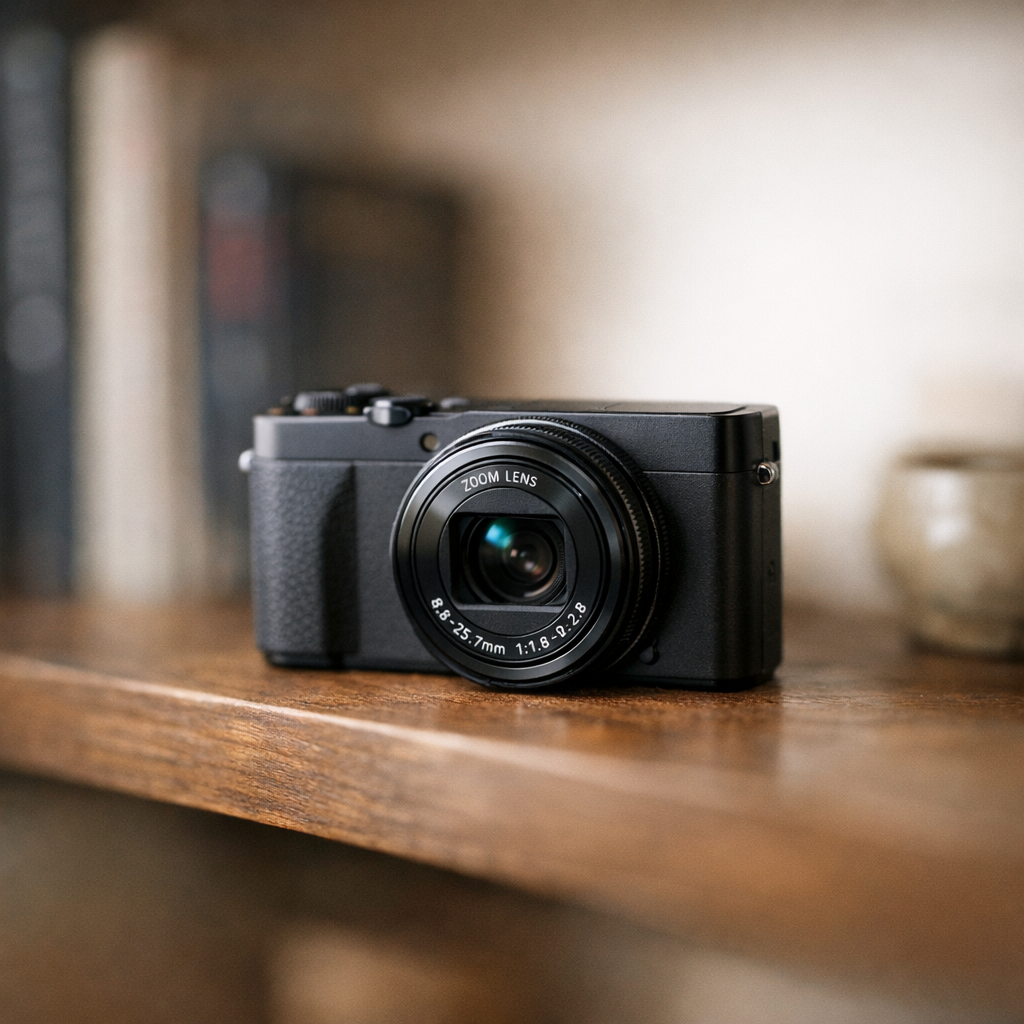
When mini cameras outperform standard security cameras
Mini cameras excel when visibility and placement flexibility matter more than broad-area coverage. Typical scenarios include close-up monitoring of a single point of interest, portable evidence collection, covert checks for unauthorized access, and monitoring where aesthetics or tenant privacy concerns make overt fixtures unacceptable. In a rental inspection, for example, a small, easily hidden unit can capture detailed footage of a specific appliance or vulnerable access point without creating the impression of a continuous, intrusive surveillance network.
Another common situation is short-term deployment: supervisors visiting multiple sites or contractors performing intermittent checks often prefer a battery-powered mini camera they can place, retrieve, and reuse. These cameras can be more effective than fixed, wired systems when mobility and low setup time are critical.
Technical comparison: when mini cameras outperform standard security cameras
Evaluating trade-offs requires comparing key technical attributes. Mini cameras frequently win on concealability, placement versatility, and ease of deployment. Standard security cameras typically win on sustained power, wide-area coverage, advanced analytics, and durability. Below are practical points to weigh by use case.
- Concealment and placement: Mini cameras are small enough to be embedded in everyday objects or mounted in tight cavities, enabling angles and vantage points standard cameras cannot achieve.
- Proximity image quality: When monitoring a specific object or short-range interaction, a well-positioned mini camera can capture higher detail than a wide-angle security camera designed to cover an entire room.
- Setup and portability: Battery-powered mini cameras require minimal wiring and can be moved between locations; ideal for temporary monitoring or follow-up inspections.
- Power and continuous operation: Standard cameras with mains power will outperform mini cameras for continuous, long-term surveillance due to greater uptime and reliability.
- Night performance and optics: Many full-size security cameras offer larger sensors, better low-light sensitivity, and stronger infrared illumination than similarly priced mini cameras.
- Connectivity and storage: Standard systems often provide centralized storage, remote management, and analytics; mini cameras may rely on local microSD or intermittent wireless uploads, which affects chain-of-custody considerations.
For technical deep-dives on discreet recording features and firmware trade-offs, see the more detailed resources on our pillar article about mini camera capabilities Read the complete Mini Cameras guide . That write-up explores sensor sizes, compression methods, and how small form factors impact forensic usability.
Choosing mini cameras over standard security cameras: buyer criteria
Selection logic should be driven by the scenario rather than brand promises. Prioritize the following criteria when a mini camera is under consideration:
- Objective and duration: Short-term, specific-object monitoring favors mini cameras. For 24/7 site protection, choose standard systems.
- Visibility and consent requirements: If occupants or customers expect overt cameras, weigh the legal and ethical implications of concealed devices. For permissible hidden monitoring, ensure the scope is narrowly tailored and documented.
- Image and audio needs: Confirm resolution, frame rate, and whether audio recording is required—audio laws differ by jurisdiction and increase legal risk.
- Power and retrieval plan: Plan battery replacement intervals, encrypted storage, and secure retrieval to avoid evidence gaps.
- Forensic integrity: If footage may be used in legal or insurance proceedings, choose models with reliable timestamps, tamper logs, and exportable, unaltered files.
- Environmental suitability: Verify the device can withstand the intended environment—temperature, humidity, or vibration can degrade mini camera performance.
When shopping within product categories, compare units against the hidden cameras and discreet camera options in your local catalog to ensure the device matches the intended role Browse Mini Cameras. That helps avoid common mismatches between marketing claims and real-world performance.
Practical examples and common mistakes
Real-world cases illustrate why mini cameras may be superior or insufficient.
Example: caregiver monitoring in private homes
A family suspected neglect by a caregiver installed a small, clearly positioned mini camera to capture interactions in a common area while avoiding bedrooms or bathrooms. The targeted, documented setup yielded specific incident video while minimizing invasions of privacy in private spaces. Key success factors were limited scope, clear documentation of intent, and secure handling of footage.
Example: retail shrink investigations
Store managers used small, inconspicuous cameras focused on a high-theft display for short investigative windows. The mini cameras captured close-up footage of hands and transactions that fixed ceiling cameras could not resolve. The temporary nature of the deployment and chain-of-custody documentation were critical to preserve evidentiary value.
Common mistakes
- Choosing a low-resolution mini camera for identity verification tasks — small sensors cannot substitute for high-quality optics when facial identification is required.
- Overlooking local laws on audio recording — enabling microphones without consent is a frequent legal risk.
- Neglecting power and storage planning — intermittent recordings or lost footage often result from poor battery management or full memory cards.
- Failing to document deployment — when footage is needed for disputes, lack of deployment logs undermines credibility.
Legal & ethical considerations
Mini cameras raise distinct legal and ethical issues. This section provides high-level guidance for EU and US contexts; it is informational, not legal advice.
United States: Laws vary by state. Expect stricter rules around audio recording—many states require one-party consent while others require two-party consent. Concealed video in locations where individuals have a reasonable expectation of privacy (bathrooms, locker rooms, private bedrooms in rentals without notice) is generally prohibited. Employers must follow labor and privacy laws; notice and narrowly defined monitoring policies reduce risk.
European Union: The General Data Protection Regulation (GDPR) emphasizes proportionality and lawful basis for processing personal data. Recording people with mini cameras requires a legitimate purpose, data minimization, transparency where feasible, and secure processing. In many cases, overt signage and a documented lawful basis (e.g., protection of property with minimal intrusion) are necessary.
Across jurisdictions, follow these practical steps: limit recording scope and time, avoid private spaces, securely store footage, document purpose and retrieval, and purge data promptly when retention is no longer justified. For a technical checklist on device logging and tamper-evidence features that help demonstrate compliance, consult additional product documentation and the searchable resources in our secondary pillar materials discreet camera solutions.
Frequently Asked Questions
Q: When is a mini camera a better choice than a standard security camera?
A: Choose a mini camera when you need concealment, short-term deployment, or close-range detail at a single point of interest rather than wide-area continuous coverage.
Q: Are mini cameras legal to use in rental properties?
A: Legality depends on jurisdiction and placement. Avoid recording in private rooms and always check local landlord-tenant and privacy laws; document the limited, legitimate purpose for monitoring.
Q: Can footage from a mini camera be used in court?
A: Yes, but admissibility depends on chain-of-custody, device integrity, and whether the recording violated privacy or consent laws; preserve originals and metadata.
Q: How do I ensure continuous operation with a mini camera?
A: Use models with long-life batteries or external power solutions, schedule regular checks, and choose devices with reliable low-battery alerts and local failover storage.
Q: What common technical feature differentiates useful mini cameras from poor ones?
A: Sensor quality and encryption. A modestly sized sensor with good optics, stable firmware, and secure storage (encrypted files and tamper logs) typically produces more reliable, useful evidence than a higher-resolution camera with weak security.
Closing summary: Mini cameras are tools with clear strengths when used for narrowly defined objectives—discreet inspections, short-term evidence gathering, and tight-angle monitoring. They are not substitutes for comprehensive security systems that require continuous coverage, analytics, and environmental durability. Decision logic should balance concealment needs against legal constraints, forensic integrity, and technical limitations. When chosen and operated thoughtfully, mini cameras can outperform standard security cameras in the specific scenarios described above while minimizing privacy risk and maximizing evidentiary value.