Counter-Surveillance: RF Detectors and Encryption Tools
Compare RF detectors and encryption tools, and learn how counter-surveillance equipment fits into a broader privacy-protection plan.

Counter-Surveillance: Key Considerations
Counter Surveillance devices offer a robust solution for safeguarding privacy and protecting personal or business information. From Encryption Devices to RF Detectors (Bug Detectors), these tools are designed to combat unauthorized monitoring, electronic eavesdropping, and data breaches.
KEY FEATURES
-
Encryption Devices
- Protect sensitive data with advanced 256-bit AES encryption, PBKDF2 key strengthening, and secure random number generation.
- Cryptographic controls need a verified implementation and key-management plan. No generic product category provides unbreakable protection.
-
RF Bug Detectors
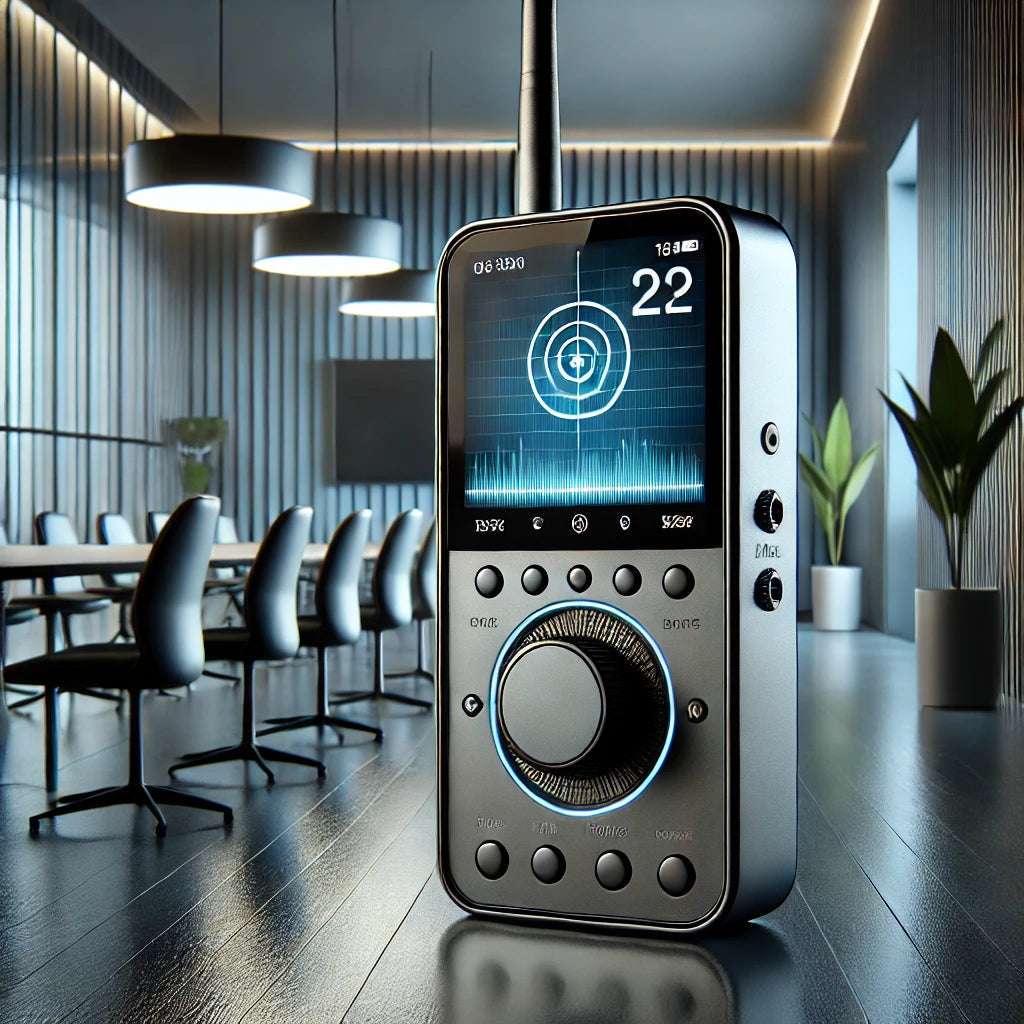
- Detect transmitting signals from GSM, Bluetooth, Wi-Fi, VHF, FM, UHF, and even 5G networks.
- Confirm whether the selected instrument measures frequency, signal strength or other characteristics. A simple detector does not automatically establish the source or purpose of a signal.
WHY USE COUNTER SURVEILLANCE DEVICES?
- Protect Privacy: Safeguard personal and business information from eavesdropping or extortion.
- Use a defined inspection scope and understand method limits. Detection is different from device identification or disabling it.
- Signal interpretation requires understanding the instrument and environment. An alarm can come from legitimate equipment and does not by itself identify a hidden device.
- Flexible Options: Choose between professional-grade devices and handheld models for personal use.
COMMON APPLICATIONS
-
Business & Corporate Use
- Secure confidential meeting rooms.
- Sweep office spaces for unauthorized recording devices.
-
Personal Use
- Protect your home or vehicle from eavesdropping or tracking.
- Ensure privacy during sensitive phone calls or discussions.
-
Examination & Institutional Security
- Prevent unauthorized mobile phone use in exam halls.
-
Litigation Protection
- Prevent unauthorized evidence gathering that could harm personal or business interests.
TYPES OF COUNTER SURVEILLANCE DEVICES
-
Basic RF Detectors
- Detects signals across standard frequency ranges (e.g., GSM, Wi-Fi, Bluetooth).
-
Advanced RF Detectors
- Includes detailed frequency analysis, vibration/audio alerts, and data logging for comprehensive monitoring.
-
Encryption Devices
- Cryptographic controls need a verified implementation and key-management plan. No generic product category provides unbreakable protection.
HOW TO USE RF DETECTORS
- Activate the Device: Turn on the detector and select your desired sensitivity level.
- Scan the Area: Move the detector around the room or space, focusing on suspect areas.
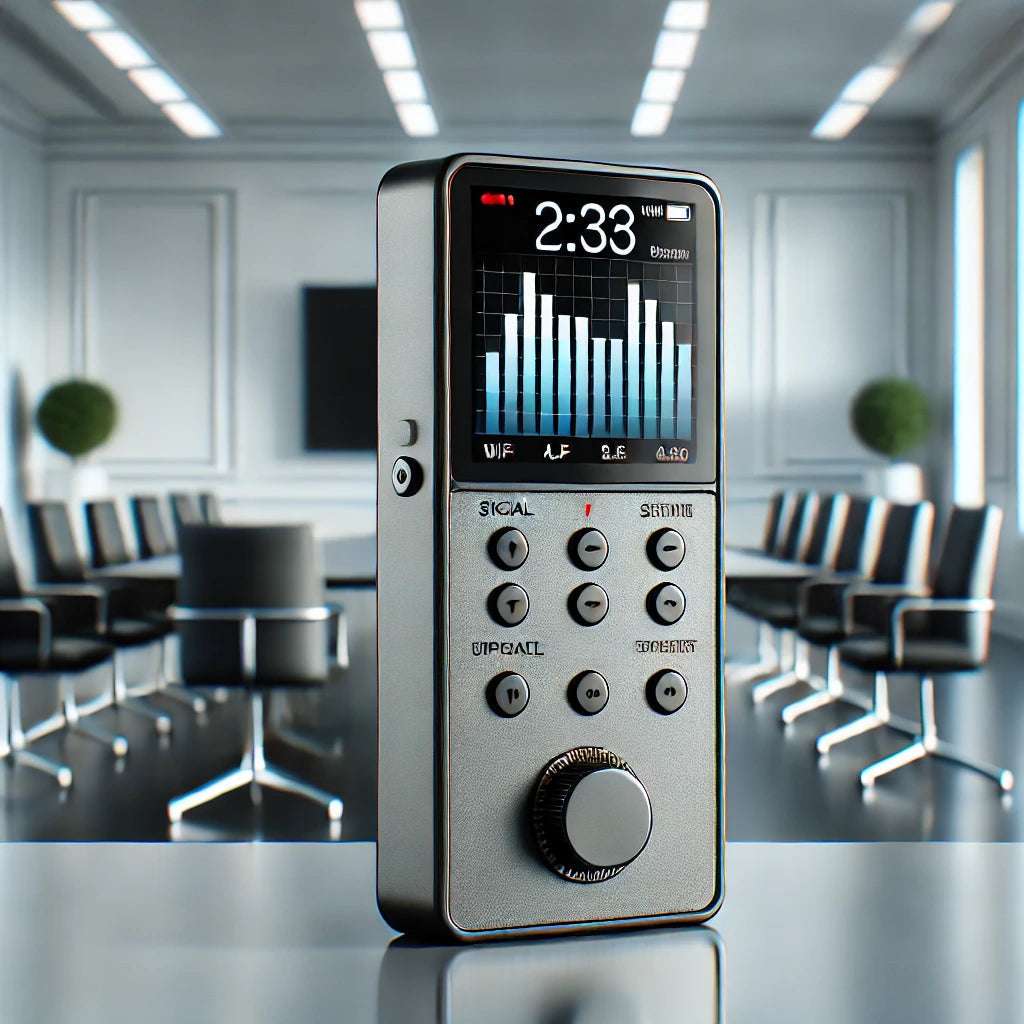
- Identify Signals: Observe the visual bar graph or listen for audio alerts to locate transmitting devices.
- If something is suspicious, document its location and seek appropriate help. Do not remove, alter or interfere with equipment solely because of a detector response.
BUYER'S GUIDE
When selecting a counter surveillance device, consider:
- Frequency Coverage: Ensure the device can detect all necessary signal types (e.g., 3G, 4G, 5G, Bluetooth).
- Sensitivity: Look for adjustable sensitivity settings for precise detection.
- Durability: Professional-grade materials for long-term use.
- Additional Features: Logging capabilities and secure connection options for advanced needs.
Counter Surveillance Devices provide an effective way to regain control over your privacy and protect against unauthorized monitoring. With their wide range of applications and user-friendly design, these tools are indispensable for personal and professional security.
Related guide
For related background, read our How to Find Hidden Cameras in Your Home.
Related articles

Written by PRIVATE D.O.O. Pecek