Bug Detectors: RF Detection Features and Limitations
RF inspection detects supported radio activity; it does not automatically disable a tracker or certify a secure room. Preserve observations and use an appropriate authorised process.

Bug Detectors: Key Considerations
BUG DETECTION & TACTICAL SURVEILLANCE COUNTER MEASURE DEVICES
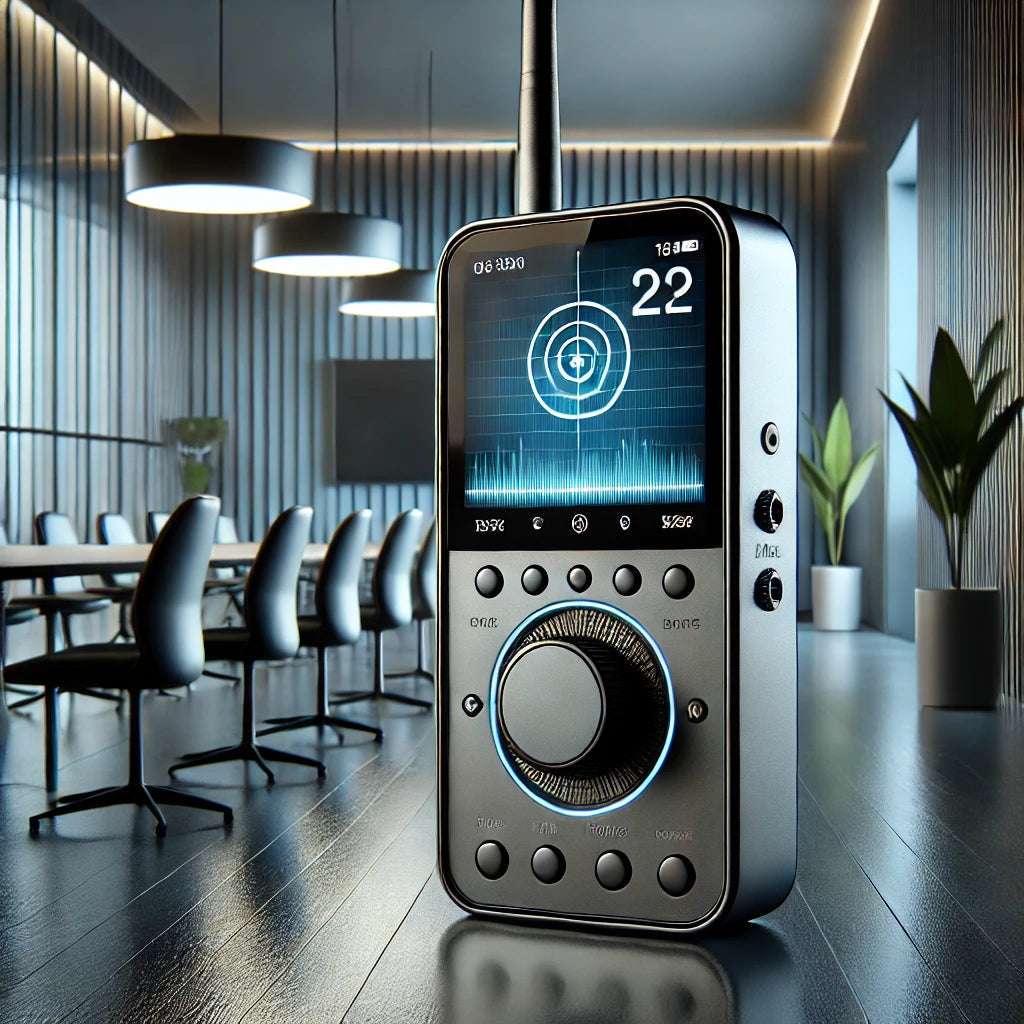
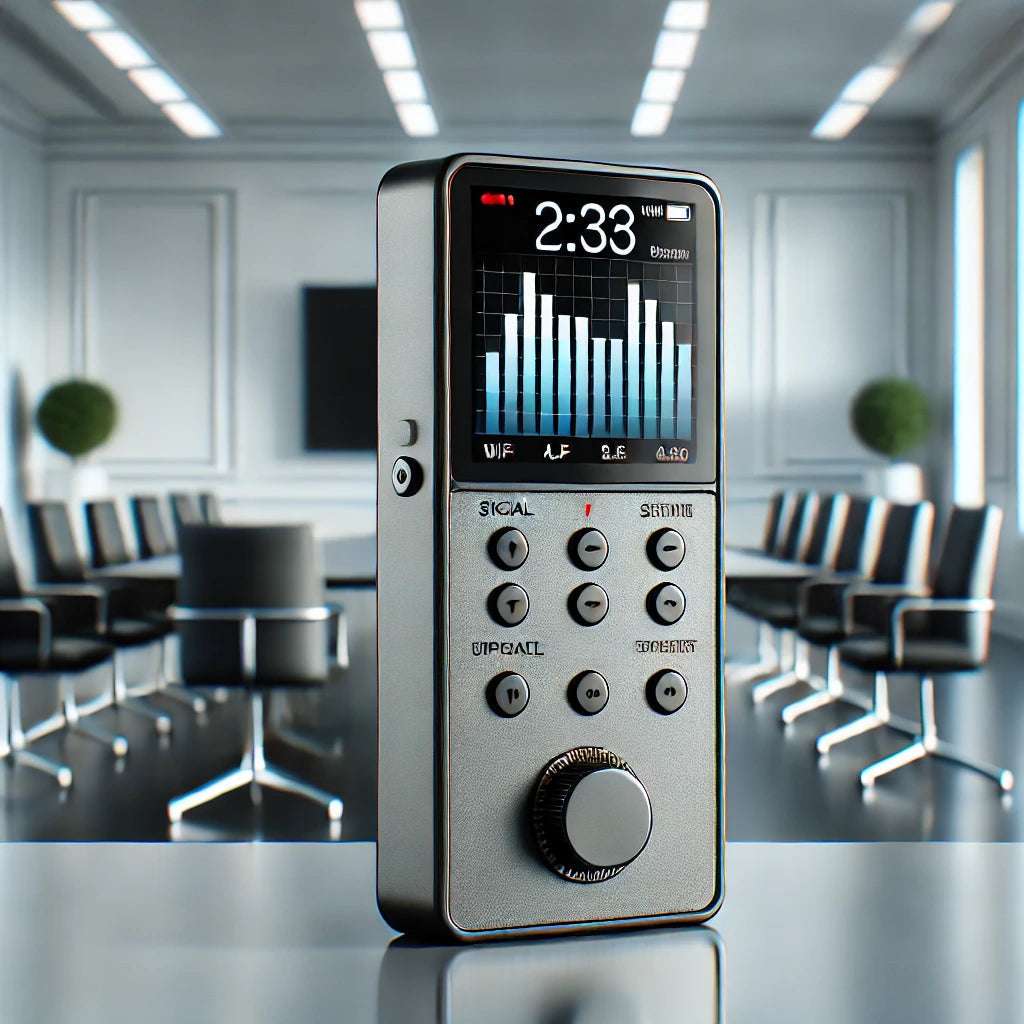
Bug detectors are used by individuals from all walks of life, from private investigators to professionals in sensitive roles, and anyone who values their privacy. These devices help:
- RF inspection detects supported radio activity; it does not automatically disable a tracker or certify a secure room. Preserve observations and use an appropriate authorised process.
- Prevent Eavesdropping: Prepare environments for sensitive meetings with peace of mind.
- Detect Unethical Mobile Phone Use: Identify unauthorized phone usage in exam halls or workplaces.
- Log Detected Devices: Securely store data of detected transmissions for further analysis.
MAIN DIFFERENCES BETWEEN BUG DETECTORS
- Sensitivity: a response depends on signal frequency, strength, timing, surroundings and the instrument. Increased sensitivity does not guarantee detection of a concealed or inactive recorder.
- Range: Advanced models sweep larger areas and detect signals from farther distances.
- Data Logging: Some devices log detected signals for future analysis, ideal for professional use.
- Interface: Options range from simple, user-friendly models to sophisticated professional-grade detectors.
WHICH BUG DETECTOR IS RIGHT FOR YOU?
- Pocket-Sized Bug Detectors: Ideal for quick, portable sweeps.
- Professional Bug Sweepers: Designed for high-profile clients or complex environments.
- Specialized Detectors: Suited for specific tasks like sweeping exam halls or securing sensitive meeting rooms.
COMMON USES
- RF inspection detects supported radio activity; it does not automatically disable a tracker or certify a secure room. Preserve observations and use an appropriate authorised process.
- GSM Listening Devices: Identify bugs used for audio surveillance.
- Meeting Room Sweeps: Ensure sensitive discussions remain private.
- Mains-Powered Gadgets: Locate concealed surveillance devices in everyday electronics.
- Private Investigation: Perform thorough bug sweeps for clients in homes, offices, or vehicles.
PROFESSIONAL VS. DOMESTIC USE
-
Professional Models
- High sensitivity and range.
- Suitable for frequent use in complex environments.
- Often used by private investigators and security professionals.
-
Domestic Models
- Affordable and easy to use.
- Designed for homes or small offices.
- Perfect for personal privacy concerns.
FIVE GREAT USES
- Suspect a partner is monitoring your movements.
- Conduct sweeps in unfamiliar places (e.g., hotels, conference rooms).
- Prepare meeting rooms for sensitive discussions.
- Support private investigations for clients.
- Protect commercial information in office environments.
BUYER'S GUIDE
When selecting a bug detector, consider:
- Frequency coverage: check the exact instrument and the emitted signals of interest. GPS reception is not itself a tracking-device transmission that an ordinary RF sweep can identify.
- Ease of Use: Opt for user-friendly models if you’re a beginner.
- Environment: Choose devices suitable for the size and complexity of the space you need to monitor.
- Build Quality: Durable materials for long-lasting performance.
Bug Detectors are versatile and effective tools for anyone concerned about unauthorized surveillance. From professional-grade devices for complex environments to pocket-sized models for personal use, there’s a solution to fit every need.
Related guide
For related background, read our How to Find Hidden Cameras in Your Home.
Related articles
- Bug Detection: Signs, Inspection and Equipment
- Hidden Camera Detection: Visual Checks and Tools
- Counter-Surveillance: RF Detectors and Encryption Tools
Hidden Cameras and Listening Devices: Complete Detection Guide

Written by PRIVATE D.O.O. Pecek