Mini cameras: Why small devices often deliver worse footage for home and small-business surveillance
Mini cameras are attractive for discreet monitoring, but many homeowners and small-business operators discover that the smallest units often produce worse footage than expected. This article explains the technical reasons, common real-world scenarios, selection logic and legal boundaries to help you make informed choices before you buy or deploy a tiny camera for security or evidence capture. Read the complete Mini Cameras guide
Why mini cameras struggle technically
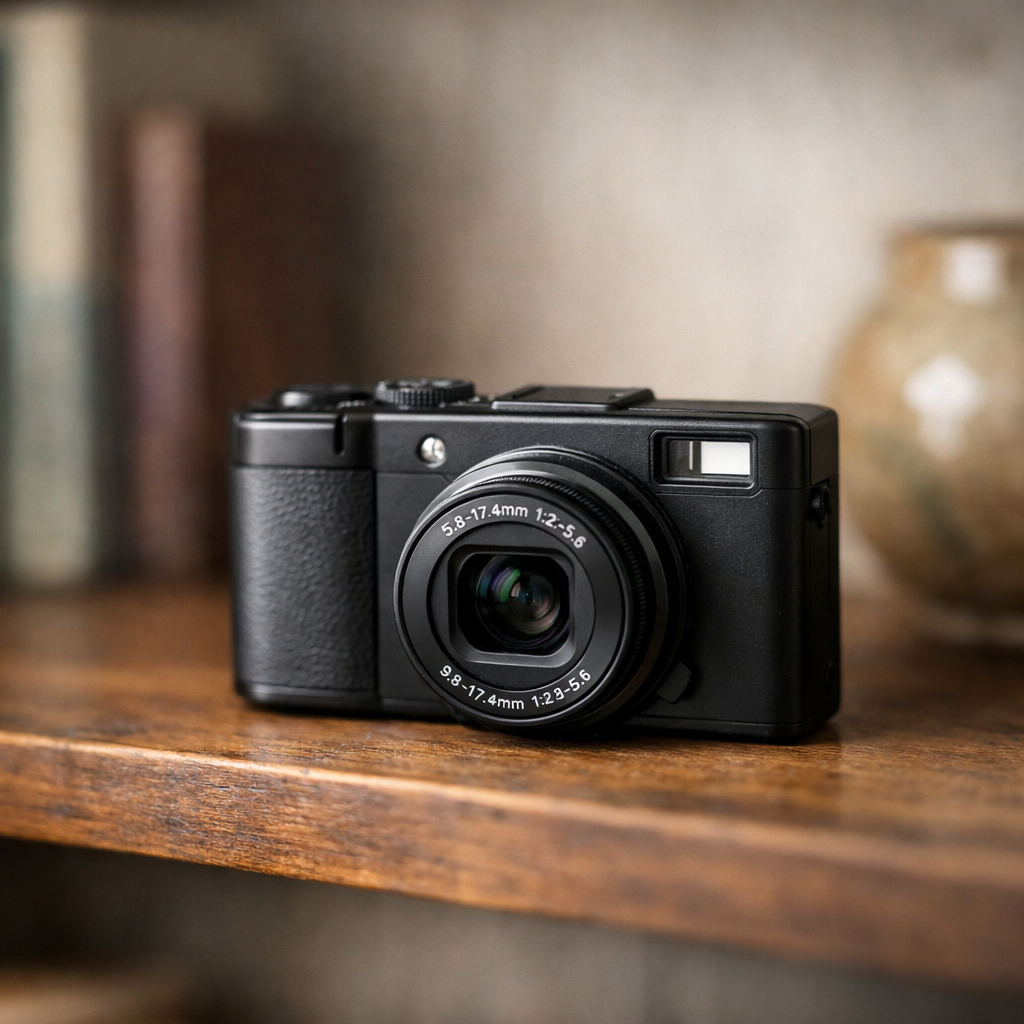
At the component level, mini cameras sacrifice size for convenience. Smaller image sensors capture fewer photons per pixel, which reduces dynamic range and increases noise in low light. Lenses on compact modules have shorter focal lengths and limited aperture options; they cannot collect as much light or resolve fine detail across the frame. Many mini camera designs also use aggressive image compression to save storage and bandwidth, introducing blockiness, motion artifacts, and color banding. These technical limits combine: poor low-light sensitivity, narrow exposure headroom, limited optical resolution, and compression artifacts yield footage that looks softer, grainier, and less reliable for identification purposes.
How mini cameras perform in common use cases
Performance depends heavily on the scenario. In well-lit, static indoor scenes a modern mini camera can record passable video useful for context. In contrast, in entryways, parking areas, or retail floors where people move and lighting varies, the same device will often fail to resolve faces or license plates. For example, a pocket-sized camera placed on a shelf to cover a shop counter may miss rapid gestural detail during a theft because autofocus and exposure struggle with quick changes. In a dim hallway a device with a small sensor will amplify noise to the point that facial recognition or legal-quality identification becomes impossible.
Comparison of typical outcomes
- Bright indoor daytime: acceptable context footage, limited fine detail.
- Mixed lighting (windows + interior): blown highlights and blocked shadows reduce usable detail.
- Low light or nighttime: high noise, motion blur, poor color accuracy.
- Outdoor distance scenes: lack of optical zoom and low resolution limit identification.
Buyer mistakes with mini cameras and selection logic
Choosing a mini camera often starts with size and price, but buyers neglect key evaluation criteria. Prioritize sensor size and pixel pitch over resolution numbers alone — a 4K spec on a tiny sensor seldom yields true 4K detail. Evaluate lens quality and aperture information, not just field of view. Check the unit's minimum illumination rating, shutter performance, and whether it uses hardware WDR (wide dynamic range) or relies solely on software processing. Also verify storage and codec behavior; heavy H.265 compression at low bitrate will butcher fine detail even if the sensor is competent.
When comparing models, use scenario-driven tests: simulate the lighting and distances you expect in your installation and assess the footage for identification tasks, not just presence detection. If you need to read license plates, prioritize optical zoom or higher pixel density over compactness. If you need covert observation but also legal-grade recording, choose models with better low-light performance and proven compression settings rather than the smallest form factor available. Browse Mini Cameras
Structured comparison: mini cameras versus standard small security cameras
For clarity, compare three practical classes: ultra-compact mini cameras (very small), compact small security cameras (small but purpose-built), and standard dome/box cameras (traditional form factors). Ultra-compact wins on concealment and portability but loses on dynamic range, optical quality, and heat dissipation. Compact small security cameras strike a balance: larger sensor, better lenses, more onboard processing for noise reduction and WDR. Standard cameras typically offer the best image fidelity, support for PoE, and interchangeable lenses for tailored coverage. Choose the class that matches the criticality of the footage you need to capture.
Pros and cons at a glance
- Ultra-compact mini cameras: Pro — discreet; Con — limited image quality and thermal headroom.
- Compact small security cameras: Pro — better optics and sensor; Con — less covert placement.
- Standard cameras: Pro — highest reliability and quality; Con — cost and visibility.
Practical examples and common mistakes
Scenario 1 — Home entry monitoring: A homeowner places a tiny camera on a hallway shelf to capture anyone entering. Mistake: relying on the camera’s stated megapixels without testing in low-light entry conditions. Result: faces appear as smudges, exposure swings hide crucial features. Remedy: use a small security camera with larger sensor and WDR, or add controlled lighting to the entry.
Scenario 2 — Small retail point-of-sale: A shopowner picks an ultra-small hidden camera to be discreet above the counter. Mistake: expecting clear identification through a glass counter and mixed lighting. Result: reflections and compression mask detail. Remedy: reposition to reduce reflections, choose a camera with better low-light specs, or accept a slightly larger visible camera with superior optics.
Scenario 3 — Contractor evidence gathering: a contractor records work areas with a wearable mini camera. Mistake: assuming that on-device stabilization and high resolution will guarantee usable footage. Result: motion blur and rolling shutter impair sequence clarity. Remedy: select devices with proven stabilization and prioritize sensor performance and bitrate over raw resolution numbers. Discreet solutions
Legal and ethical considerations (EU and US high level)
Deploying mini cameras raises legal and privacy obligations. In the EU, data protection law requires a lawful basis for recording and demands proportionality and minimization: only record what is necessary and store footage securely. Public-facing cameras and those capturing identifiable people may be subject to data subject rights and retention limits. In the US, laws vary by state; audio recording carries stricter consent rules in many jurisdictions. Covert recording in private spaces (bathrooms, changing rooms) is typically unlawful and risks criminal charges and civil claims. Before deploying any discreet camera, document your purpose, limit the field of view to necessary areas, display notices where required, and secure recorded data with appropriate access controls and retention policies.
Ethically, consider whether covert monitoring is proportionate to the problem. Use a discrete but visible deterrent where possible; reserve hidden options for narrowly defined investigations or evidence capture, and consult legal counsel for sensitive contexts.
Decision logic checklist for buying mini or small cameras
- Clarify the primary objective: deterrence, context, identification, or evidence.
- Match sensor size and low-light specification to the objective.
- Test in representative lighting and mounting positions before final purchase.
- Prefer hardware WDR, manual exposure controls, and higher sustained bitrates for identification tasks.
- Factor in storage, retention policy, and the legal framework in your jurisdiction.
Frequently Asked Questions
Q: Do mini cameras record worse video than regular small security cameras in daylight?
A: In good daylight a quality mini camera can provide usable footage, but regular small security cameras typically offer better dynamic range and detail, especially at scene edges and against backlight.
Q: Will a higher megapixel count fix poor footage from a mini camera?
A: No. High megapixel counts on tiny sensors often result in smaller pixels and more noise. Sensor size and lens quality matter more than headline megapixel numbers.
Q: Can I improve mini camera footage with lighting or settings?
A: Yes. Adding even, controlled lighting, reducing high-contrast backgrounds, and increasing bitrate or disabling aggressive compression can materially improve output.
Q: Are hidden cameras legal for business monitoring?
A: It depends. Many jurisdictions allow video monitoring for legitimate business purposes but place limits on audio recording, areas considered private, notice requirements, and data handling. Check local laws and follow privacy-by-design principles.
Q: When should I avoid a mini camera and choose a larger security camera instead?
A: Avoid mini cameras when identification (faces, plates) is required, when lighting is poor or variable, or when the footage may be used as legal evidence. Choose a larger camera with better optics and sensor performance in those cases.
Educational closing
Mini cameras serve clear roles where concealment and portability matter, but their physical constraints have predictable consequences for image quality. Treat the decision to deploy a tiny camera as a trade-off: evaluate sensor and lens specs, simulate your exact conditions, and weigh legal and ethical constraints alongside technical needs. When identification or evidentiary quality is required, prioritize device performance and proper placement over absolute compactness to ensure footage is useful, compliant, and defensible.