
Practical buying guides, legal compliance tips and real-world use cases for surveillance, security and tracking devices.
Guides

Voice-Activated vs Continuous Recorders: How to Choose
Compare voice-activated and continuous recorders by battery, storage and recording reliability before choosing a device.
Read more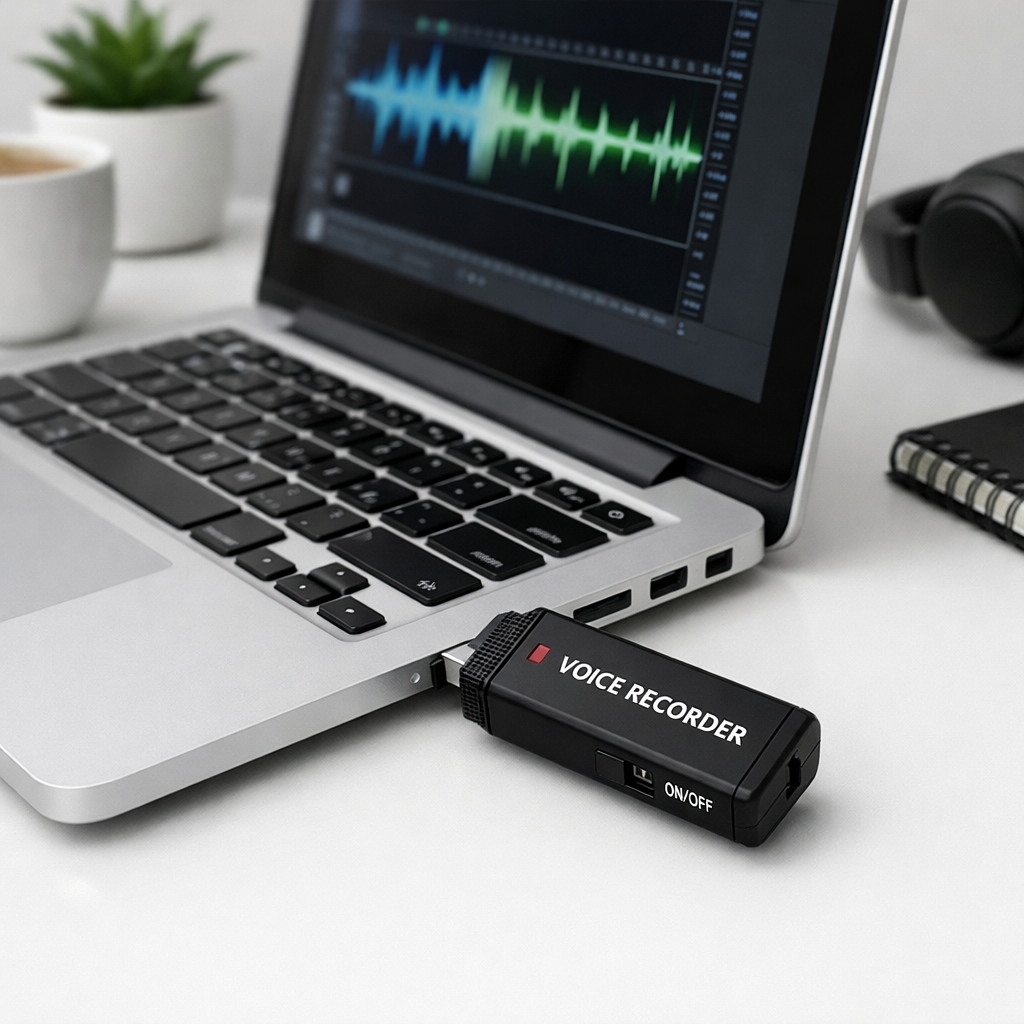
Audio Quality vs Recording Capacity: Evidence Trade-Offs
Compare audio quality and recording capacity, with practical trade-offs for capturing and preserving evidence.
Read more
Voice-Activated vs Continuous Recording: Pros and Cons
Compare voice-activated and continuous recording by reliability, battery use, storage and the risk of missed audio.
Read more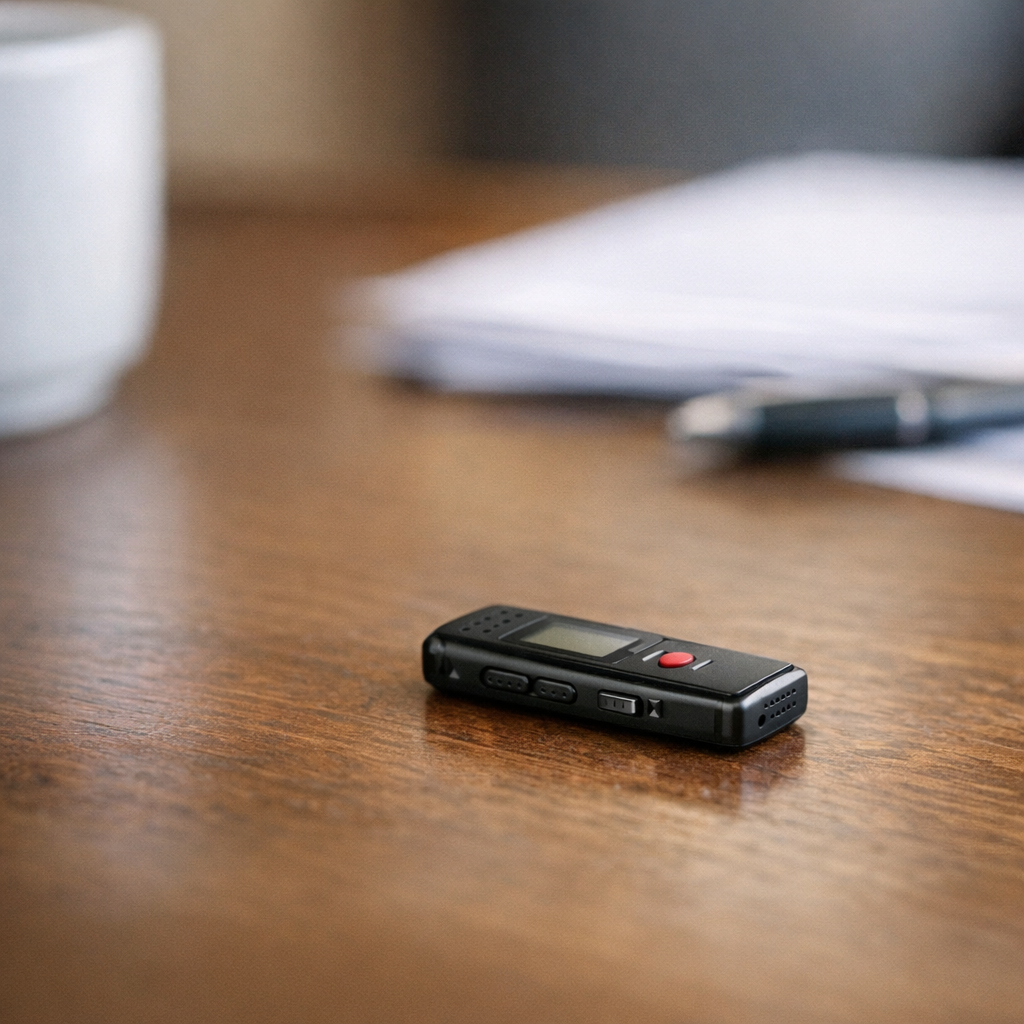
Meeting vs Surveillance Recording: Technical Differences
Compare meeting and surveillance recording by microphones, device format, activation and practical workflow.
Read more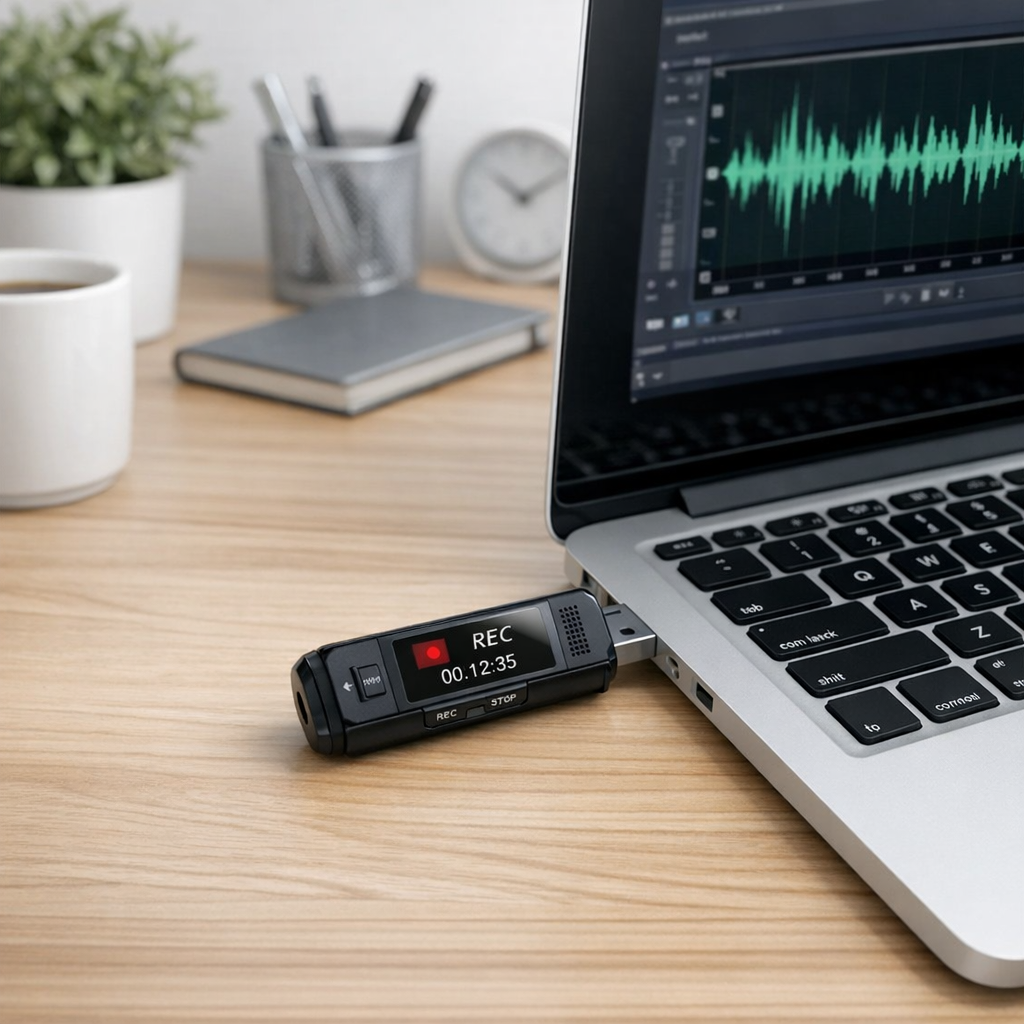
Voice Recorder Evidence Failures: Recording and Compliance
Review voice-recorder failure modes and their consequences for recording quality, evidence handling and privacy.
Read more
Unattended Audio Recording: Power and Storage Choices
Compare power, storage and recording choices for long unattended audio sessions.
Read more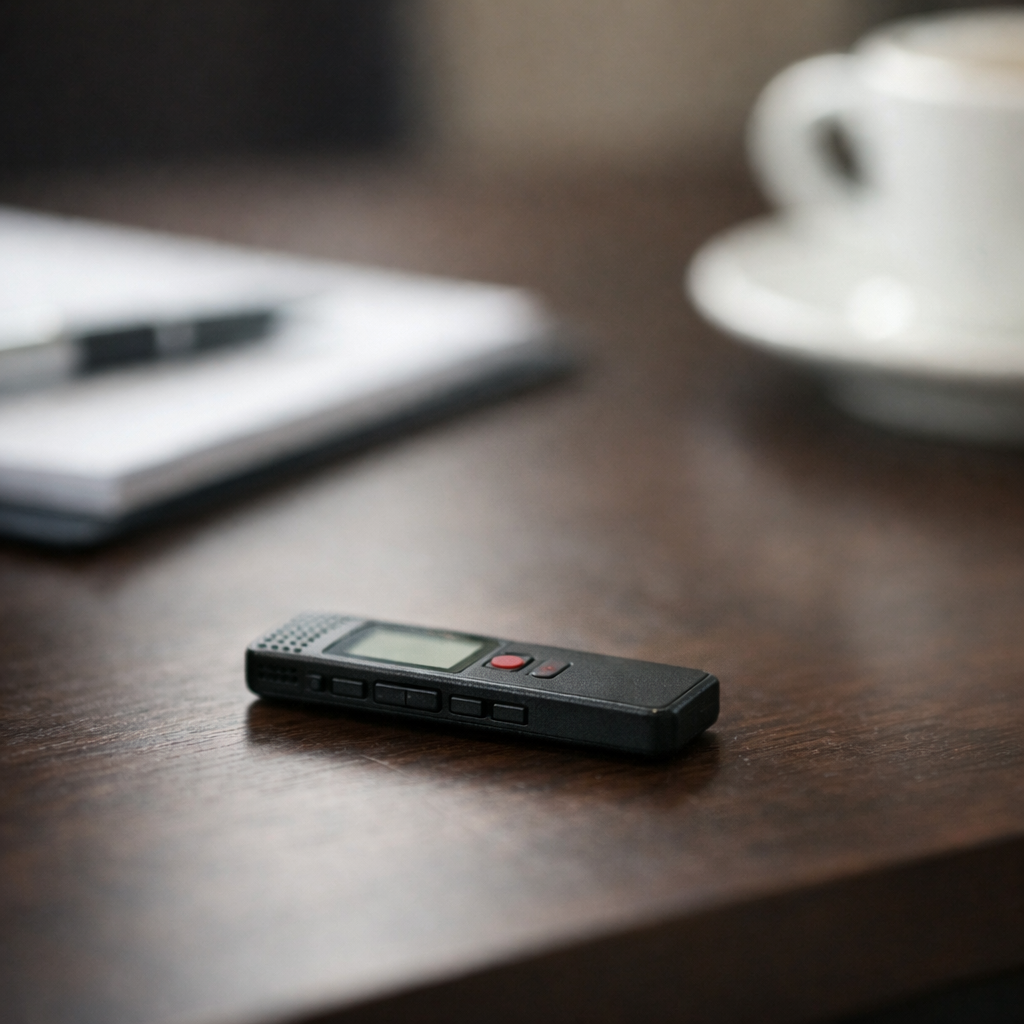
Workplace Voice Recording: Employer and Employee Risks
Review workplace recording risks for employers and employees, including privacy questions and differences between device types.
Read more
Voice Activation Failures: Avoiding Missed Recordings
Review why voice activation can miss audio, including sensitivity, quiet speech and the recording choices to compare.
Read more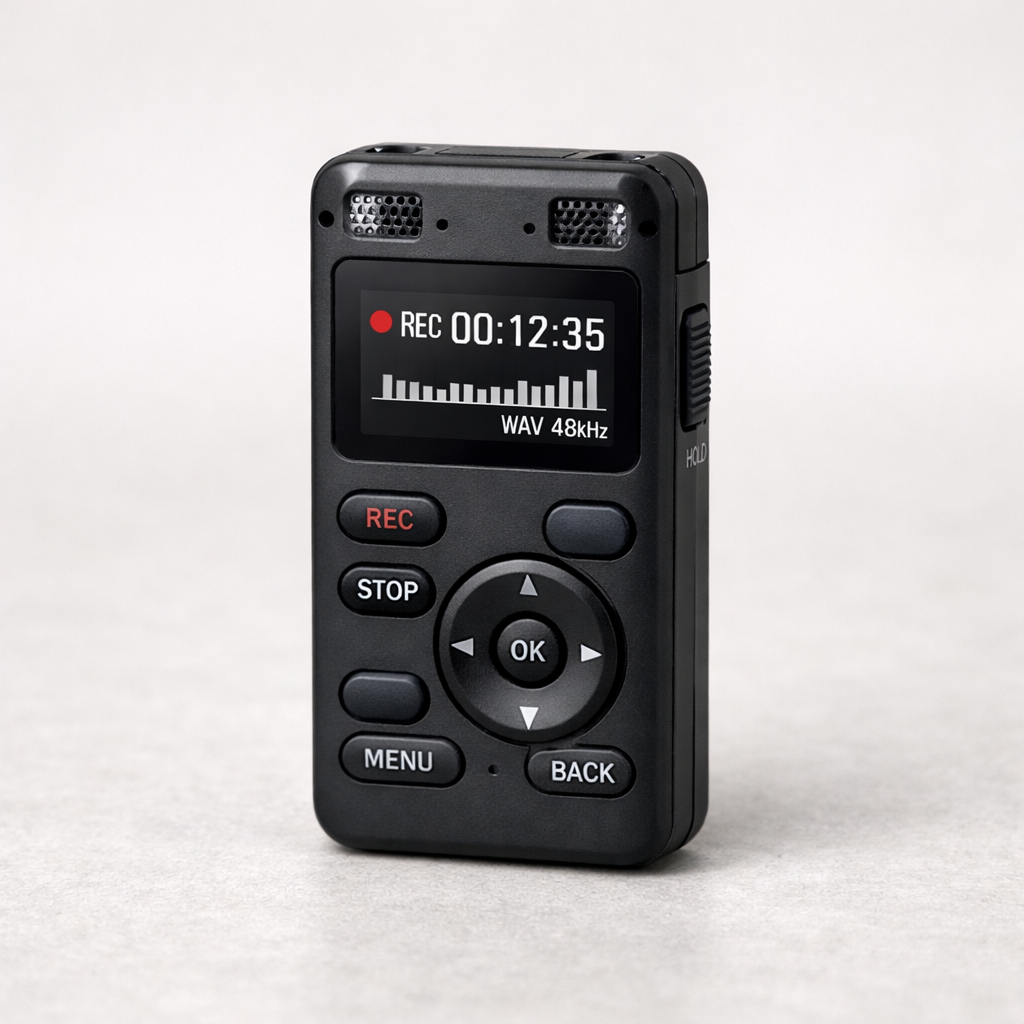
Voice Recorder Evidence: Device Selection Considerations
Compare voice-recorder selection criteria for evidence capture, including audio quality, file handling and legal considerations.
Read more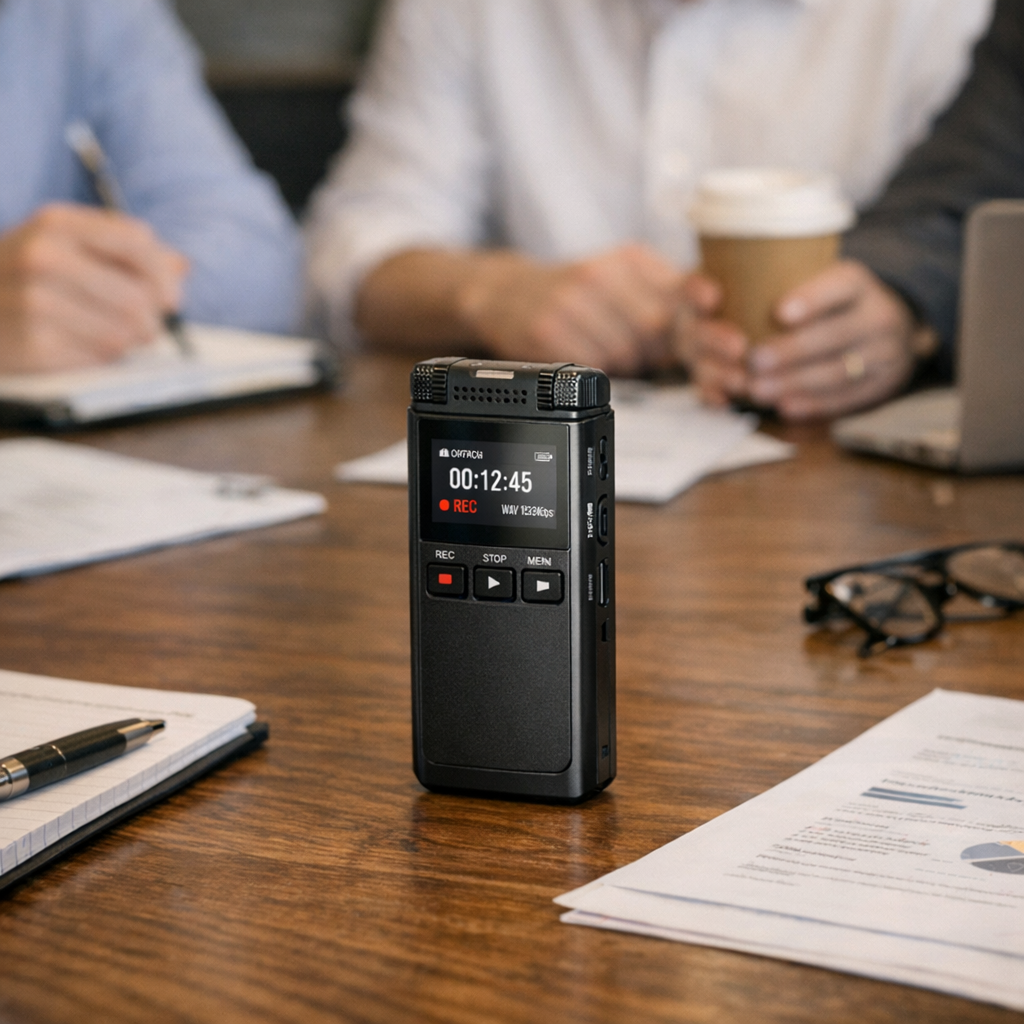
Voice Recorder Misuse: Common Scenarios and Risks
Review common voice-recorder misuse scenarios, privacy questions and practical ways to assess recording risks.
Read more