Mini Cameras for Temporary Monitoring: Choices for Homes and Small Businesses
Mini cameras are a practical option when you need discreet, temporary monitoring in a home or small business. This article explains how to choose mini cameras for short-term deployments, focusing on legal boundaries, feature trade-offs, real-world scenarios, and a straightforward buyer checklist so you can make informed, compliant decisions.
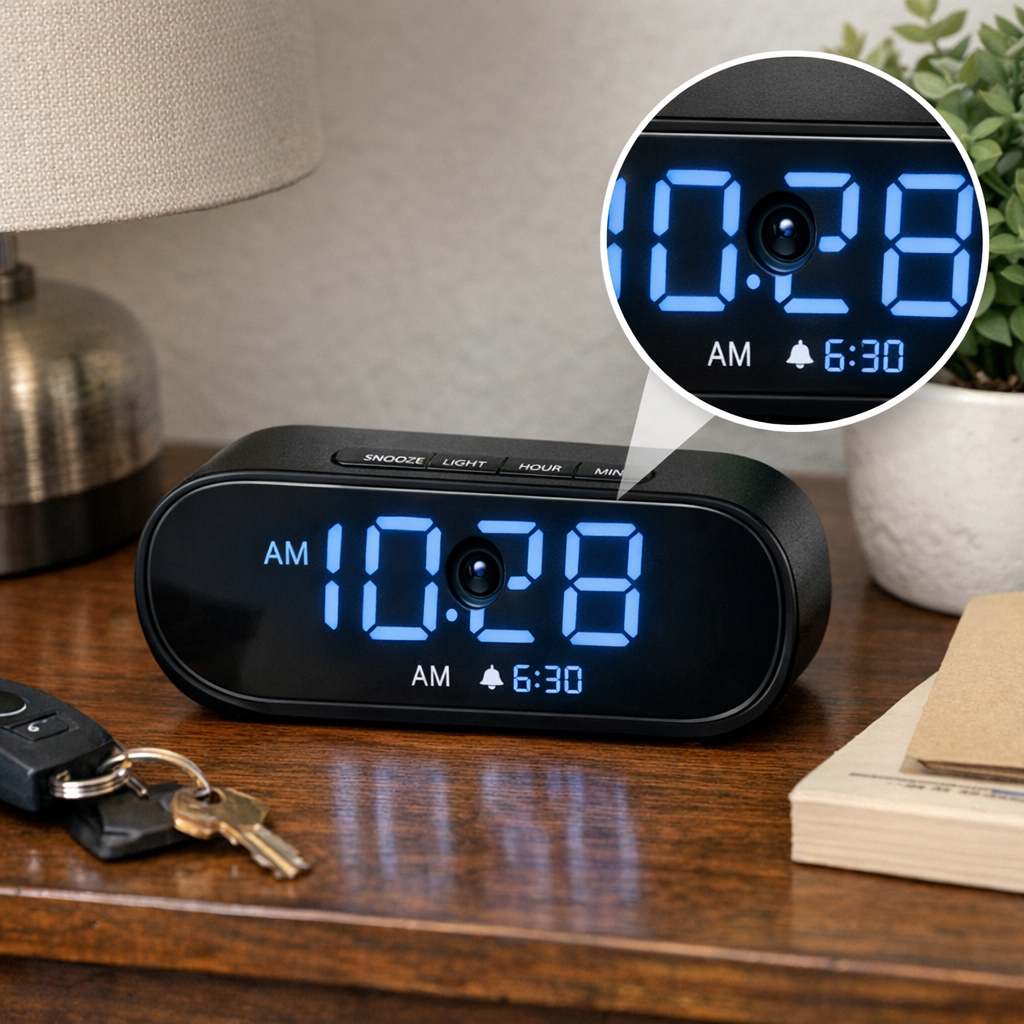
Why choose mini cameras for temporary monitoring
Mini cameras offer portability and low visual impact, making them suitable for situations where permanent installations are unnecessary or not permitted. Homeowners may use them to monitor contractors during a renovation or to check a high-value package drop area for a few days; small businesses might deploy them during an employee shift overlap or to observe a temporary point of sale setup. Before deciding, consider the monitoring objective, expected duration, and whether audio capture is required—each factor affects legal compliance and device selection. For more on technical and ethical best practices, see our dedicated resource Read the complete Mini Cameras guide on discreet recording.
Key features to compare in mini cameras
When evaluating mini cameras, prioritize core capabilities that determine effectiveness for temporary monitoring: video quality, field of view, power source, storage method, connectivity, motion detection, and concealment options. Below are the specifics that differentiate models.
Video quality and night performance
Resolution determines identification ability. For short-term monitoring where identification may be necessary, choose at least 1080p. Low-light sensors and IR illumination matter if monitoring spans evenings. Keep in mind that higher resolution increases storage and battery use.
Power and runtime
Battery-operated mini cameras are easiest to place temporarily but vary widely in runtime. Some compact models deliver continuous recording for a few hours; others offer standby motion-activated weeks-long runtime. If you need continuous 24/7 coverage for days, consider an AC power option or a small power bank. Portable solar or external battery packs can extend runtime without fixed wiring.
Storage and connectivity
Local microSD recording removes network dependency and is often preferred for short deployments to reduce configuration time. Cloud-connected mini cameras enable remote live view but require reliable Wi‑Fi and may raise privacy concerns if footage is stored offsite. Hybrid models that offer both local and cloud storage provide flexibility for temporary setups.
Form factor and concealment
Discreet cameras and hidden cameras packaged as everyday objects can blend into an environment, reducing attention and tampering risk. However, concealment increases legal and ethical complexity in some jurisdictions—see the legal section below. Choose a form factor that fits the environment without creating suspicion or infringing on privacy.
Comparing mini cameras: pros, cons, and selection scenarios
Comparative choices depend on use case. Below are typical scenarios with recommended trade-offs.
Scenario A — short-term home monitoring during renovations
Goal: document contractor activity for a week. Pros for battery mini cameras: easy placement, no rewiring. Cons: limited continuous runtime and potential missed events if motion detection is poorly tuned. Recommended: a 1080p unit with local storage and motion-triggered recording, plus time-stamped footage. Consider a discreet cameras model if visibility might invite tampering.
Scenario B — temporary retail or popup point-of-sale observation
Goal: prevent theft during peak hours for several weekends. Pros for small security cameras with AC power: continuous recording and higher reliability. Cons: more setup and visible hardware may affect customer perception. Recommended: small security cameras with clear deterrent placement supplemented by hidden cameras for blind spots—balance deterrence and privacy.
Scenario C — short-term nanny or pet monitoring
Goal: check interactions during specific hours over several days. Wireless mini cameras with live streaming are useful but ensure clear consent from caregivers when required. Use motion alerts to limit unnecessary footage and preserve battery life.
Buyer guide: evaluation criteria and common selection mistakes
Use this checklist when selecting a mini camera for temporary monitoring to avoid common pitfalls.
- Define the objective: Decide whether the goal is deterrence, documentation, or evidence collection; this guides the need for visible cameras versus concealed units.
- Confirm legal constraints: Understand local rules on audio recording and expectation of privacy. Recording audio often has stricter rules than video.
- Match power to duration: Don’t assume batteries will last—check manufacturer runtime under your expected settings (motion vs continuous).
- Prefer flexibility: Choose models that support both local and cloud storage or have expandable storage options.
- Test before deployment: Run a short test to validate motion sensitivity, upload reliability, and image clarity at the actual installation point.
Common mistakes include relying solely on advertised battery life, neglecting firmware updates, placing concealed cameras where subjects have a reasonable expectation of privacy, and failing to verify footage integrity in case of later disputes. A practical tip: label temporary monitoring zones where legal requirements demand notice while keeping cameras unobtrusive elsewhere.
Practical deployment examples and common mistakes
Example: A small bakery needed to monitor a single overnight delivery zone for three nights. The owner chose a compact 1080p mini camera with motion detection and local SD storage. They mounted it at 8 feet for a broad field and tested sensitivity for staff movements. The result: clear footage of a damaged package without storing hours of idle footage—saving time in review.
Example: A homeowner installed a hidden cameras shaped like a smoke detector to monitor a temporary house-sitter. The placement captured private areas and led to an uncomfortable confrontation. The mistake was ignoring consent and not considering video-only alternatives. For sensitive locations, choose visible cameras or obtain explicit consent.
Legal and ethical considerations (EU and US overview)
Both EU and US regions regulate surveillance, but frameworks differ. In the EU, the GDPR can apply to personal data in video footage, requiring a lawful basis for processing and safeguards such as data minimization and retention limits. In the US, laws vary by state: many states prohibit secret audio recording without two-party consent, while video rules depend on expectation of privacy (bathrooms, changing rooms are off-limits). Always avoid recording in private spaces where occupants have a reasonable expectation of privacy. When monitoring employees, check local labor and workplace laws—transparent policies and signage often reduce legal risk. For implementation guidance and context on discreet recording, consult our detailed pillar resource Discreet solutions and review product options on the category page Browse Mini Cameras before purchase.
Selecting accessories and deployment best practices
Accessories can make temporary monitoring more reliable: interchangeable mounts for rapid repositioning, external battery packs for extended runtime, microSD cards rated for continuous video, and small weatherproof housings for outdoor temporary setups. Use tamper-resistant screws if devices are left unattended in public zones for short periods. Maintain chain-of-custody considerations for evidence: note timestamps, avoid editing files, and keep original files on secure storage.
Frequently Asked Questions
Q: How long can mini cameras record on battery?
A: Runtime varies widely—expect anywhere from a few hours of continuous 1080p recording to several days with motion-activated standby. Check manufacturer tests under comparable settings.
Q: Are hidden cameras legal for temporary home monitoring?
A: Legality depends on location and whether the camera records people in private spaces. In many jurisdictions video in common areas can be lawful, but recording audio or private rooms often requires consent.
Q: Do mini cameras require Wi‑Fi?
A: Not necessarily. Many mini cameras record to local microSD without Wi‑Fi; others offer hybrid modes. Choose local storage for quick setup and reduced network configuration.
Q: What resolution is sufficient for identification?
A: For most temporary monitoring where identification may be needed, 1080p is the minimum recommended. Higher resolution helps at greater distances but increases storage needs.
Q: Can I use mini cameras outdoors temporarily?
A: Yes, if the device is weatherproof or protected in a suitable housing. Be mindful of positioning, lighting, and local rules governing surveillance in public or shared spaces.
Educational closing
Choosing mini cameras for temporary monitoring requires balancing technical capability, deployment practicality, and legal obligations. Define your objective first, then compare video quality, power, storage, and concealment options against privacy and compliance considerations. Test any setup in the actual environment, document your decisions, and limit retention to what is necessary. Thoughtful selection and responsible use protect both your interests and the rights of others while delivering the short-term visibility you need.