
Mini Cameras in Homes and Small Businesses: Why Discreet Cameras Fail from Poor Placement
Mini cameras are widely chosen for their small footprint and ability to monitor discreetly, but poor placement turns an otherwise capable device into an unreliable or legally risky liability. This article explains how placement affects performance, privacy compliance, and evidentiary value in real-world home and small business settings.
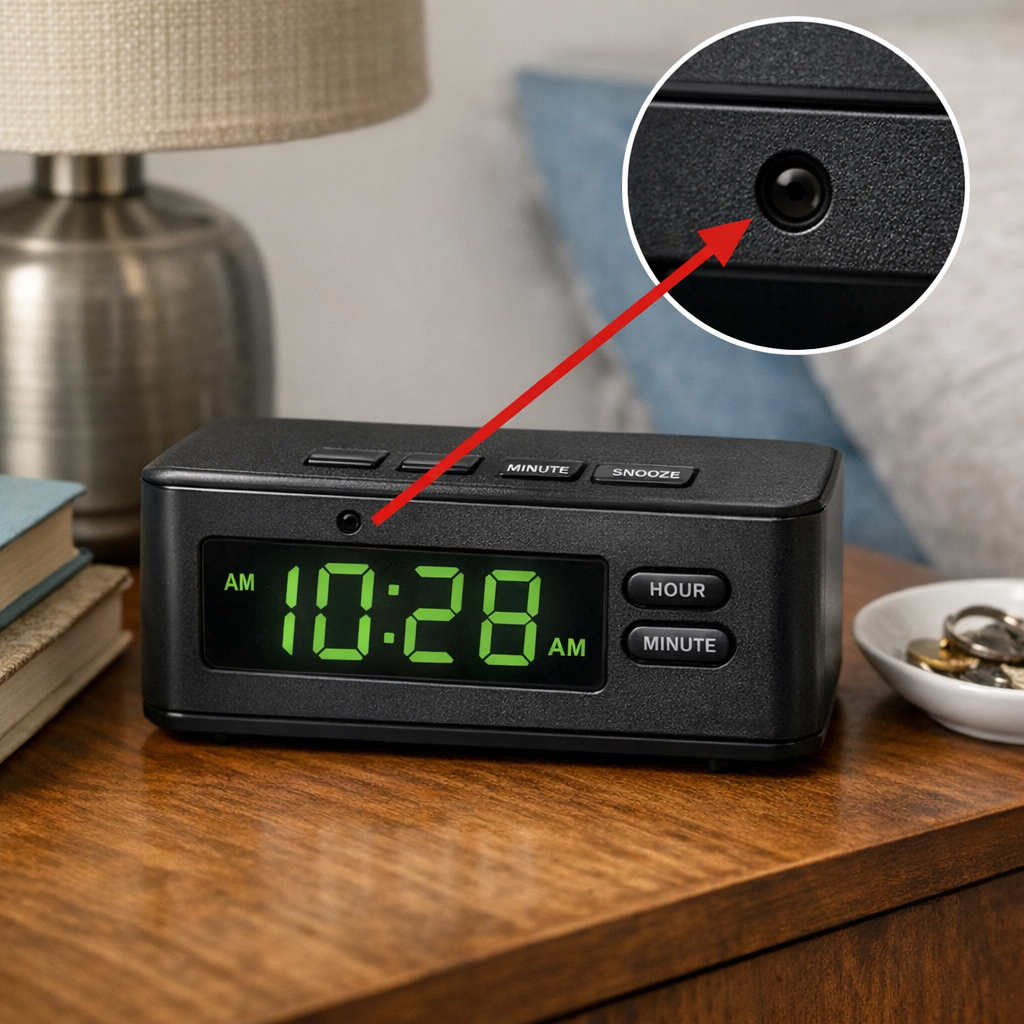
Why mini cameras fail when placed poorly
Placement dictates what a mini camera actually records: angle, field of view, lighting, and the proximity to subjects all interact with hardware limits to determine usefulness. A unit tucked in a decorative object may look discreet but can suffer from blocked lenses, reflections, or a narrow view that misses critical zones. Similarly, placing hidden cameras behind glass or near reflective surfaces creates glare and false exposures. In small businesses, locating a discreet camera to cover a point-of-sale area without clear sightlines produces footage that is hard to interpret and often unusable for incident review. For a deeper technical discussion of device capabilities and intended uses, consult the in-depth pillar article Read the complete Mini Cameras guide .
Comparing common placement strategies for mini cameras
Understanding trade-offs between concealment and functionality helps decide whether a discreet camera, hidden camera, or small security camera is appropriate for a task. Below are structured comparisons of typical placement strategies.
On-shelf concealment vs. exposed mount
- On-shelf concealment — Pros: unobtrusive, lowers detection risk; Cons: often limited field of view, foreground objects can obstruct, and internal shelf lighting may be insufficient.
- Exposed mount — Pros: predictable coverage, easier to optimize angle and lighting; Cons: less discreet, may alter occupant behavior and raise privacy questions.
High-angle ceiling placement vs. low-angle object-mounted
- High-angle ceiling — Pros: broad coverage, fewer obstructions; Cons: faces downward distortion, may not capture facial details at entry-level resolutions.
- Low-angle object-mounted — Pros: better facial framing at typical distances; Cons: vulnerable to tampering and easier to spot.
Battery-powered mini cameras vs. wired small security cameras
- Battery-powered — Pros: flexible placement, no wiring needed; Cons: limited runtime, periodic maintenance, risk of power loss during an incident.
- Wired — Pros: continuous power and higher bitrates, more reliable recordings; Cons: installation complexity and visibility that may reduce discretion.
Placement checklist for mini cameras
Use this practical checklist before deploying any discreet cameras to reduce common failure modes and legal exposure.
- Verify line-of-sight: ensure the lens has an unobstructed view of the priority zone.
- Check lighting: aim for consistent, diffuse light; avoid direct backlight or reflective surfaces that cause glare.
- Confirm focal range: match camera optics to typical subject distances to preserve facial recognition or license plate legibility if required.
- Secure power and connectivity: test battery standby times or wired connections under load to prevent unexpected downtime.
- Test audio policies: know whether the device records audio and whether that conflicts with local privacy rules.
- Position against tampering: for small businesses, choose heights or housings that reduce accidental obstruction or intentional disablement.
When evaluating products, consider categories suited to each checklist item and review product pages on the appropriate collection for compatible options Browse Mini Cameras. This helps match device specs to situational constraints.
Real-world use cases and decision logic
Placement decisions should follow simple decision logic: what is the objective, what constraints exist, and what level of discretion is acceptable. Below are specific scenarios and the correct placement reasoning.
Home nursery monitoring
Objective: observe movement and breathing patterns without disturbing the child. Constraint: maintain nursery aesthetics and avoid visible tech. Decision: choose a mini camera with low-light performance mounted high on a shelf angled down to cover crib, ensuring thermal or IR capability for night use. Avoid placing behind glass or directly in front of curtains where movement triggers false positives.
Small retail shop loss-prevention
Objective: capture facial detail at entrances and register areas. Constraint: minimize customer discomfort while preserving evidence. Decision: install small security cameras with higher resolution in exposed, optimized positions at both low and high angles to provide overlapping coverage. Discreet cameras may supplement but should not replace clearly positioned cameras for legal and evidentiary reasons.
Short-term rental property monitoring
Objective: protect property from damage between stays while respecting guest privacy. Constraint: strict legal limits on surveillance of private spaces. Decision: only monitor common areas with visible or clearly disclosed devices; do not use hidden cameras in private areas like bedrooms or bathrooms. If using discreet cameras in common spaces, place them overtly or disclose their presence in rental agreements to reduce legal risk.
Practical examples and common mistakes
Practical mistakes recur across installations; recognizing them helps avoid wasted purchases and legal exposure.
- Mounting behind decorative glass: creates reflections that obscure footage and can lead to unusable recordings during investigations.
- Relying solely on motion detection in low-traffic zones: leads to missed incidents because motion thresholds aren’t reached.
- Placing mini cameras too close to walls or inside narrow enclosures: restricts field of view and produces vignetting.
- Choosing extreme concealment for legal reasons: using hidden cameras in bathrooms or employee locker rooms is both unethical and likely unlawful.
- Failing to test under real conditions: many installers only check devices in daylight, then discover night-time noise and IR bloom when incidents occur.
One practical mitigation is routine validation: record a 24–72 hour sample under typical use and review footage for blind spots, glare, and audio clarity. For product selection tied to environmental constraints, consult the pillar secondary discussion on placement vs. device capability Discreet solutions, which outlines matching sensors and lenses to scenarios.
Legal and ethical considerations (EU and US high-level)
Legal boundaries around discreet cameras differ between jurisdictions but converge on consistent principles: reasonable expectation of privacy, notice, and lawful purpose. In the EU, the GDPR imposes data protection obligations if footage identifies individuals; controllers must justify processing, minimize data collection, and provide access notices where feasible. In the US, federal law generally permits video recording of areas without a reasonable expectation of privacy, but state laws vary and audio recording constraints are often stricter. Both regions place particular emphasis on private spaces: bathrooms, locker rooms, and private bedrooms are typically off-limits for hidden cameras.
Ethical practice requires disclosing surveillance where possible, minimizing collection (frame only what’s necessary), and securing footage against unauthorized access. For workplaces, balancing employee privacy with security needs often requires written policies, limited retention periods, and informing staff. This compliance framework should guide placement choices to avoid evidence being inadmissible or creating liability.
Buyer guide: what placement-aware shoppers should evaluate
When selecting mini cameras or other small security cameras, evaluate devices against placement realities rather than marketing claims. Key criteria:
- Field of view and lens type — wide-angle lenses cover more but may warp; select focal lengths compatible with typical mounting distances.
- Low-light and IR performance — necessary when ceiling placement or night monitoring is required.
- Power and connectivity — battery models suit concealed mounts but need maintenance; wired devices support continuous recording for business-critical applications.
- Mounting options and housings — check for flush mounts, magnetic mounts, or enclosures that preserve discretion while preventing obstruction.
- Data handling — on-device storage vs. cloud retention affects evidence chain and compliance; ensure encryption and access controls.
Match these criteria to the physical environment and legal constraints. Browsing category pages for cameras that meet physical and compliance requirements can streamline selection .
Frequently Asked Questions
Q: Can mini cameras legally be used to monitor employees?
A: It depends on jurisdiction and purpose. In many places, monitoring for safety or theft is allowed if employees are notified and private areas are excluded; consult local regulation and implement clear policies.
Q: Will hiding a camera inside an object improve recording quality?
A: Not usually. Concealment often degrades image quality through obstruction, reflections, or reduced ventilation, which can also cause overheating and failure.
Q: How close should a discreet camera be to the subject for usable facial detail?
A: That depends on resolution and lens. As a rule, ensure subjects occupy a significant portion of the frame; test sample recordings at typical distances to confirm.
Q: Are battery-powered mini cameras reliable for continuous security?
A: For short-term or occasional monitoring they are useful, but for continuous, evidence-grade surveillance wired power or reliable backup systems are recommended.
Q: What retention period is appropriate for footage from discreet cameras?
A: Retention should be the minimum necessary for the stated purpose and comply with local data protection laws; many small businesses adopt retention windows of 14–90 days depending on risk.
Closing: practical next steps
Placement is the single most important determinant of a mini camera’s effectiveness. Before deploying discreet cameras, conduct a placement audit: define objectives, map sightlines, test lighting, confirm legal constraints, and choose hardware that matches those parameters. Regular validation and modest disclosure practices preserve both the utility of surveillance and compliance with privacy obligations. Thoughtful placement reduces failures, limits liability, and yields footage that is genuinely useful for homeowners and small businesses.